 Search Filters
12 Businesses For Sale in Broken Hill & Western Region NSW
Results 1-12 of 12
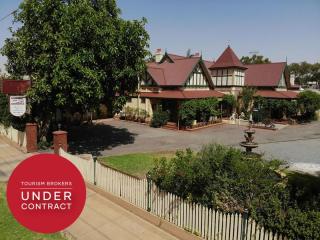
AN INCREDIBLE OPPORTUNITY WAITS FOR YOU - 217ML
Tourism Brokers
Broken Hill, NSW
Price: UNDER CONTRACT
- Turnover: Not disclosed
- Net Profit: Not disclosed
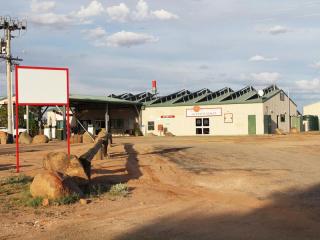
Roadhouse + Motel/Caravan Park Money Earner, A Must Stop Destination - 2722MF
Tourism Brokers
Tibooburra, NSW
Price: FREEHOLD $3,000,000
- Turnover: Not disclosed
- Net Profit: $421,365
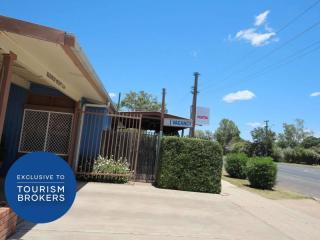
Secure Passive Motel Investment, Long Lease, Strong Net Return - 1428MI
Tourism Brokers
New South Wales
Price: PASSIVE INVESTMENT $1,47...
- Turnover: Not disclosed
- Net Profit: $113,000 + GST
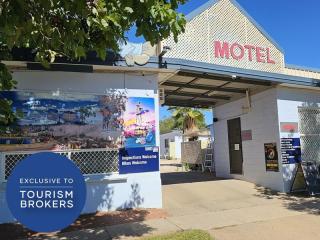
Due to Personal reasons the Owner has Reduced Price for Quick Sale - 2896MF
Tourism Brokers
Lightning Ridge, NSW
Price: REDUCED FREEHOLD $990,00...
- Net Profit: $Adjusted Net Profit: $115,914 for 2025/26
Hardware and General Store | Rural NSW | $500+ Profit
Business Brokers Network Australia
Broken Hill & Western Region NSW
Price: $1,400,000
- Turnover: $2,879,614
- Net Profit: $Exceeding $500,000
Hotel - Motel - Freehold - Investment - Hotel Motel Freehold Investment - NW NSW - strong rental return of...
SBX Business Brokers
Ivanhoe, NSW
Price: $1,200,008
- Turnover: Not disclosed
- Net Profit: Not disclosed
- Established: 2014
Engineering and Industrial Supplies Business in Far Central West NSW
Xcllusive Business Sales Pty Ltd
New South Wales
Price: $2,250,000
- Turnover: $Approximately $8.08 million FY2025 comparable revenue
- Net Profit: $Approximately $1.256 million FY2025 operating profit, excluding Brilliams Trading Trust distribution; five-year average Adjusted Profit approximately $1.188 million before occupancy and purchaser-specific management allowances
- Established: Established in 1988; more than three decades of operation
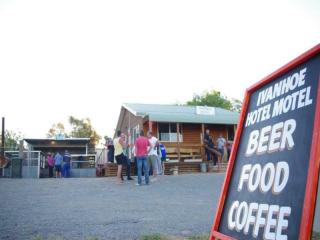
MODERN BUILDING WITH LONG TERM LEASE MOTEL HOTEL - 70HI
Tourism Brokers
Ivanhoe, NSW
Price: INVESTMENT $1,200,000
- Turnover: Not disclosed
- Net Profit: Not disclosed
- Established: 1996
Strong returns and growth opportunities
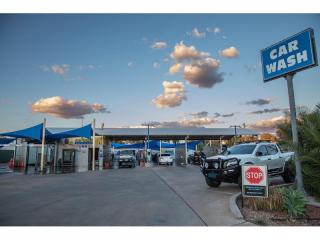
Car Wash Sales and Advisory
Broken Hill, NSW
Price: $1,700,000 - $1,900,000
- Turnover: Not disclosed
- Net Profit: Not disclosed
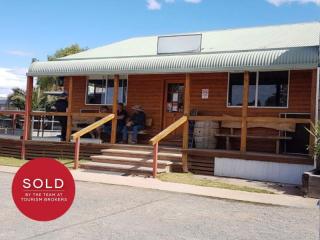
Huge Upside and Growth Opportunity with Options - 310ML
Tourism Brokers
Cobar, NSW
Price: SOLD
- Turnover: Not disclosed
- Net Profit: $772,360
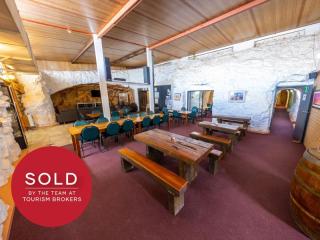
TOURISM ATTRACTION, A UNIQUE INVESTMENT OPPORTUNITY IN OUTBACK AUSTRALIA - 1475MF
Tourism Brokers
White Cliffs, NSW
Price: SOLD
- Turnover: Not disclosed
- Net Profit: $372,974 (Adjusted net profit, 3-year average 2020–24); $85,639 YTD to Sep 2025 (3 months)
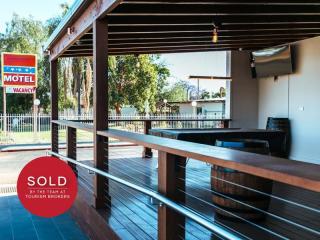
MODERN BUILDING WITH LONG TERM LEASE MOTEL/HOTEL – 70HL
Tourism Brokers
Ivanhoe, NSW
Price: SOLD
- Turnover: Not disclosed
- Net Profit: $108,601
- Established: 1996
Market Overview
Based on Bsale Market data, the Broken Hill & Western NSW region is a tightly held inland business market, driven by mining, essential services and regional industries. The area attracts owner-operators and investors seeking established businesses in low-competition markets with strong local demand.
There are currently 12 businesses for sale across the region, representing a combined advertised value of approximately $15.2 million. The average asking price is $1,267,917, positioning the region well above both the NSW average ($605,147) and the national average ($658,623).
Pricing reflects the limited number of listings and the presence of larger, established operations that service wide geographic catchments across far western New South Wales.
How Many Businesses Are for Sale in Broken Hill?
Based on current Bsale Market data, there are 12 active business listings across the Broken Hill & Western NSW region.
While significantly smaller in scale than coastal and metropolitan markets, the region operates as a low-volume, tightly held business market. Listings are less frequent, but quality opportunities often attract strong interest due to limited competition and essential service demand.
What Is the Average Asking Price for Businesses in Broken HIll?
The average asking price for businesses in Broken Hill & Western NSW is $1,267,917, making it one of the highest-priced regional business markets in New South Wales.
For comparison, the NSW average is $605,147, while the national average is $658,623. Compared with nearby regions such as Dubbo & Central West ($865,687) and the Blue Mountains ($343,514), Broken Hill pricing reflects larger-scale businesses, higher turnover operations and the scarcity of available listings.
What Types of Businesses Are Selling in Broken Hill?
Based on Bsale Market data, businesses for sale in Broken Hill & Western NSW are predominantly essential service and infrastructure-related operations. Common listings include accommodation and hospitality venues, mining and industrial services, transport and logistics businesses, retail stores, trades and regional service providers. This mix appeals to buyers seeking established operations with limited local competition and strong reliance on essential regional demand rather than discretionary spending.
Where Buyers Are Looking in Broken Hill
Buyer enquiry is concentrated around Broken Hill, along with surrounding far western towns that support mining, transport and regional services. Consistent interest is also seen in businesses servicing broader catchment areas, including Silverton, Menindee, Wilcannia and Bourke, where essential services are critical to local economies. Buyers are typically drawn to businesses with established contracts, repeat demand and strong barriers to entry.
How to Buy or Sell a Business in Broken Hill
Since 2000, Bsale has helped Australians buy and sell businesses across regional NSW and every major city and regional centre nationwide. Buying or selling a business in Broken Hill and Western NSW requires an understanding of local demand drivers, seasonality and realistic pricing expectations.
Buyers can compare live opportunities by industry, location and price range, while sellers improve outcomes by aligning their asking price with current regional benchmarks and buyer demand. Businesses in Broken Hill and Western NSW are commonly sold through licensed business brokers or marketed directly to buyers via the Bsale marketplace.
If you’re looking to buy, start with Bsale’s Buying a Business Guide to understand due diligence, valuations and finance. If you’re ready to sell, explore our Guide to Selling a Business, connect with a licensed business broker, or advertise your business directly on Bsale to reach qualified buyers.
> Register for alerts
> Sell a Business
> Guide to Selling a Business
> Guide to Buying a Busines
Popular Searches in Broken Hill & Western Region NSW
Stay up to date with new listings
Frequently Asked Questions
How do I get new business alerts?
To never miss a new opportunity, click "Save" after your search or simply set up your "Buyer Alerts". Our system will email you matching new listings daily at 6 am, giving you a head start on the latest market opportunities.
How much money do I need to buy a business?
To secure a business loan in Australia, cash is king. Most lenders cap their Loan-to-Value Ratio (LVR) at 50–70%, meaning you typically need a 30% to 50% cash deposit upfront.
With the average asking price on Bsale currently sitting at $659,535 (Dec 2025), you should aim for a starting capital budget of $200,000 to $330,000 for a standard acquisition. However, the market is diverse with prices ranging from $20,000 micro-businesses to multi-million dollar enterprises, so it will depend heavily on the business you're buying.
Don't forget to budget for the "hidden" closing costs beyond the purchase price, which require immediate liquid cash. You will typically need to set aside between $1,500 and $8,000 for legal fees depending on complexity, plus funds for due diligence expenses like accountant reviews, government duties, and lease transfer costs. Crucially, you should also retain a working capital buffer large enough to cover wages, rent, the lease bond, and stock for your first 90 days of trade.
Is the price fair? Most small businesses are valued using a "multiple of profit" typically 1.5x to 4x annual net profit. For example, If a business nets $150,000 a year, a fair market price is likely between $225,000 and $600,000. Once you conduct due diligence it will help you to establish what is a fair price for the business.
What should I check before buying a business?
You must conduct thorough due diligence across three key pillars:
- Financials: Verify 3 years of Profit & Loss (P&L) and BAS statements.
- Legal: Review the commercial lease terms and required licenses.
- Operations: Check staff contracts and the condition of equipment.
Always have a qualified accountant verify that the owner's "Discretionary Earnings" (SDE) actually match the bank statements. Poor due diligence is the #1 cause of post-sale failure, so never skip this verification.
How long does it take to buy a business?
On average, most small business purchases take 6 to 14 weeks from the initial enquiry to final settlement, though complex acquisitions involving government licenses or commercial finance can extend beyond six months.
The process typically unfolds in four consecutive stages. It begins with Enquiry & Initial Review (1–3 weeks), where you sign an NDA and assess the Information Memorandum. This moves into Due Diligence (2–4 weeks), a critical period for your accountant and solicitor to investigate tax returns and lease agreements. Once satisfied, you enter Offer & Negotiation (1–2 weeks) to agree on price and terms, before concluding with Finance & Legal Finalisation (2–5 weeks) to secure bank approval and transfer the lease.
How do I sell a business?
To achieve the highest price, ensure your financials are "bank-ready" and your operations are fully documented. You can choose to list directly on Bsale to reach our database of qualified buyers or engage a licensed business broker to manage the valuation and negotiation process for you.
> Sell a Business
> Guide to Selling a Business
> Read Testimonials
Why is Broken Hill a good place to buy a business right now?
Broken Hill and Western NSW are offering a distinct buying opportunity for experienced owner-operators and investors, supported by stable regional demand, critical infrastructure roles, and limited competition. As a major service centre for far-western NSW, Broken Hill continues to underpin essential industries including mining support, transport, health, and tourism services.
The local market is smaller but tightly held, with 12 businesses currently listed for sale. With a combined average asking price of $1,267,917, listings typically represent established operations with scale, property, or long-term contracts rather than start-ups or lifestyle businesses.
From a financial perspective, this market suits buyers seeking asset-backed businesses and long-term cash flow. Higher entry prices are often offset by reduced competition, strong regional loyalty, and businesses that service wide geographic catchments across Western NSW.
What types of businesses for sale in Broken Hill are most popular?
Buyer demand in Broken Hill is strongest for essential service businesses, including Petrol Stations, Healthcare, Automotive Businesses, and mining-related services. Cafes, Takeaways, Accommodation and other tourism businesses also attract interest due to the region’s heritage appeal and steady visitor demand. Buyers are typically focused on operational strength, workforce stability, and businesses with established regional contracts rather than high-turnover metropolitan models.
What Western NSW areas are best for buying a business?
Business activity is centred in Broken Hill, the region’s main commercial hub servicing mining, transport, tourism, and essential industries. Additional opportunities exist in Silverton, Menindee, Lightening Ridge, and Bourke, where businesses typically face limited competition and serve broad regional catchments, appealing to buyers focused on operational stability and long-term regional demand.
Are there specific legal requirements to buy in Broken Hill?
Yes. To protect your investment in NSW, you must verify if these conditions apply. First, under the Retail Leases Act 1994, the landlord is legally required to provide a Lessor’s Disclosure Statement at least seven days before you enter into a lease assignment; this document is critical as it reveals all outgoings, promotion levies, and potential tenancy disputes. Second, regarding hospitality, you must verify the license status with Liquor & Gaming NSW to ensure the venue is free of "demerit points" or strikes that could restrict your trading hours. Finally, always ensure your solicitor requests a Section 10.7 Planning Certificate from the local council to verify the zoning and approved usage of the business premises. There are also taxes and duties to understand.
These laws are complex, so always consult a qualified commercial solicitor before signing any contracts.
For operational assistance, new owners can access support through the Service NSW Business Bureau, which offers a free "Business Concierge" to help navigate council approvals and government licenses. Additionally, the NSW Small Business Commission provides low-cost mediation services for B2B and retail lease disputes. There are also Grants and Funding options with NSW Government.
> Buying a Business – Revenue NSW