






 Search Filters
19 Businesses For Sale in Pilbara Region WA
Results 1-19 of 19
Baskin-Robbins | Expression Of Interest (EOI) | Ice Cream Franchise | Retail
Johnston Business Sales
Karratha, WA
Price: $350,000 - $450,000
- Turnover: Not disclosed
- Net Profit: Not disclosed

Pilbara Post Office Newsagency and Lottery West
Private Seller
Pilbara Region WA
Price: $275,000 + SAV
- Turnover: Not disclosed
- Net Profit: Not disclosed

THE SPORTING GLOBE BAR & GRILL – PLENTY VALLEY, VICTORIA
Boston Brokers
Port Hedland, WA
Price: FOR SALE - Contact Agent
- Turnover: $5.0 million+
- Net Profit: $750,000

The Sporting Globe Bar & Grill – Chermside, Queensland
Boston Brokers
Karratha, WA
Price: FOR SALE - Contact Agent
- Turnover: Not disclosed
- Net Profit: Not disclosed

Chicken Treat Newman
Business Brokers Network Australia
Newman, WA
Price: $399,000
- Turnover: $Over 37k per week
- Net Profit: Not disclosed

Northwest Batteries and Parts - Highly Profitable
The Finn Group
Karratha, WA
Price: $499,000 + SAV
- Turnover: Not disclosed
- Net Profit: Not disclosed
- Established: Well established
SOLD - REGIONAL WA LIQUOR RETAIL OPPORTUNITY
Platinum Business Sales
Western Australia
Price: Under Offer / Offer
- Turnover: Not disclosed
- Net Profit: Not disclosed

Smash Repairs Northwest - Highly Profitable
The Finn Group
Karratha, WA
Price: Expressions of interest
- Turnover: Not disclosed
- Net Profit: Not disclosed
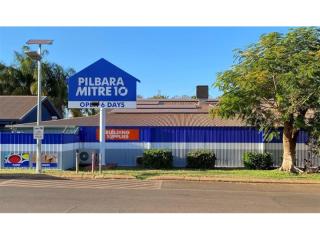
Pilbara Mitre 10 - 25% ROI, Operating Under Management
The Finn Group
Tom Price, WA
Price: $1,170,000 + SAV
- Established: Over 40 years
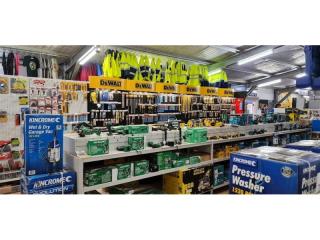
Established & Profitable Mitre 10 in the Pilbara
The Finn Group
Tom Price, WA
Price: $1,300,000 + SAV
- Turnover: Not disclosed
- Net Profit: Not disclosed
- Established: over 40 years
Mechanical Maintenance Services – Onsite and Offsite
Kent Business Brokers
Karratha, WA
Price: Under Offer / Offer
- Turnover: Not disclosed
- Net Profit: Not disclosed
Jim's Mowing Karratha
TrackMyCalls.com.au
Karratha, WA
Price: From $27,500 Inc GST
- Turnover: Not disclosed
- Net Profit: Not disclosed
- Established: Since 1989
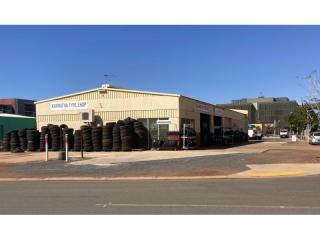
UNDER OFFER - Automotive Workshop and Tyre Shop – Karratha, WA
Coast to Coast Business Sales
Karratha, WA
Price: $350,000 + SAV ($120K -...
- Turnover: $1.1 million
- Net Profit: Not disclosed
- Established: over 30 years
NUMBER 1 CHICKEN TREAT IN WA! - UNDER OFFER
Platinum Business Sales
Western Australia
Price: $995,000
- Turnover: Not disclosed
- Net Profit: Not disclosed
DESERT GODDESS BEAUTY CLINIC – PORT HEDLAND - UNDER OFFER
Platinum Business Sales
Western Australia
Price: $230,000
- Turnover: Not disclosed
- Net Profit: Not disclosed
The prettiest venue in Karratha
Private Seller
Karratha, WA
Price: $300,000
- Turnover: Not disclosed
- Net Profit: Not disclosed
ROADHOUSE- BP ROEBOURNE REDUCED TO SELL $3.8M
McManus Realty
Roebourne, WA
Price: $3,800,000
- Turnover: $5.8M
- Net Profit: Not disclosed
UNDER OFFER - Cafe in Busy Shopping Centre – Port Hedland, WA
Coast to Coast Business Sales
Port Hedland, WA
Price: $399,000
- Turnover: $1.3 million
- Net Profit: $200,000
- Established: Over 15 years
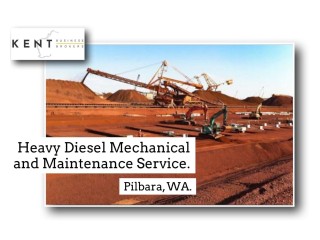
Mechanical, Mining & Engineering Services, Port Hedland WA. Profit $1.6m+
Kent Business Brokers
Port Hedland, WA
Price: Expressions of Interest...
- Turnover: Not disclosed
- Net Profit: Not disclosed
Port Hedland mechanical, mining, engineering and marine services
Market Overview
Based on Bsale Market data, the Pilbara WA business market is one of Australia’s most capital-intensive regional markets, underpinned by mining, resources, infrastructure, and essential service industries. Buyer demand is driven by sustained resource activity, large-scale projects, and ongoing demand for specialist and support services across the region.
There are currently 18 businesses for sale in the Pilbara, representing a combined advertised value of approximately $19 million. The average asking price is $1,095,917, providing a clear benchmark for buyers assessing market entry points in WA's resource-driven north.
Pilbara’s average asking price sits well above the national average ($658,623), the WA state average ($689,114), and Perth ($672,082). This reflects a high concentration of mining services, transport, accommodation, and infrastructure-related businesses that require significant upfront capital. While listing volumes are lower, the Pilbara remains one of WA's most resilient and opportunity-driven regional business markets.
How Many Businesses Are for Sale in the Pilbara?
Based on current Bsale Market data, there are 18 active business listings across the Pilbara region.
While smaller in volume than Perth, the Pilbara market is defined by higher-value opportunities. Listings are tightly held and typically linked to mining operations, infrastructure projects, and essential regional services, attracting experienced buyers seeking scale and long-term demand.
What Is the Average Asking Price for Businesses in the Pilbara?
The average asking price for businesses in the Pilbara region is $1,095,917, ranking it among Western Australia’s highest-priced business markets by average value.
For comparison, the national average asking price sits at $658,623, while Perth averages $672,082. Pricing reflects the dominance of mining services, transport, accommodation, and infrastructure support businesses, many offering strong revenue potential but requiring higher capital investment.
What Types of Businesses Are Selling in the Pilbara?
Based on Bsale Market data, the Pilbara offers a focused mix of businesses shaped by the region’s resource economy.
Common listings include mining and industrial service providers, transport and logistics businesses, accommodation and hospitality venues, fuel and service stations, mechanical and trade services, and professional services supporting large-scale operations. This mix attracts buyers seeking established operations with strong demand and sector resilience.
Where Buyers Are Looking in the Pilbara
Buyer enquiry across the Pilbara remains concentrated in major mining and service centres.
Consistent demand is seen in Karratha, Port Hedland, Newman, Tom Price, and Dampier, with buyers primarily focused on mining services, transport, accommodation, and essential service businesses supporting regional workforces and infrastructure projects. This concentration supports steady transaction activity across the region’s key hubs.
How to Buy or Sell a Business in the Pilbara
Since 2000, Bsale has helped Australians buy and sell businesses across the Pilbara and every major city and regional centre nationwide. Buying or selling a business in the Pilbara requires an understanding of commodity cycles, workforce dynamics, and pricing expectations unique to resource-driven markets.
Buyers can compare live opportunities by industry, location, and price range, while sellers improve outcomes by aligning their asking price with current market benchmarks and buyer demand. Businesses in the Pilbara are commonly sold through licensed business brokers or marketed directly to buyers via the Bsale marketplace.
If you’re looking to buy, start with Bsale’s Buying a Business Guide to understand due diligence, valuations, and finance. If you’re ready to sell, explore our Guide to Selling a Business, connect with a licensed business broker, or advertise your business directly on Bsale to reach qualified buyers.
> Register for alerts
> Sell a Business
> Guide to Selling a Business
> Guide to Buying a Business
Popular Searches in Pilbara Region WA
Browse Categories in Pilbara Region WA
Stay up to date with new listings
Frequently Asked Questions
How do I get new business alerts?
To never miss a new opportunity, click "Save" after your search or simply set up your "Buyer Alerts". Our system will email you matching new listings daily at 6 am, giving you a head start on the latest market opportunities.
How much money do I need to buy a business?
To secure a business loan in Australia, cash is king. Most lenders cap their Loan-to-Value Ratio (LVR) at 50–70%, meaning you typically need a 30% to 50% cash deposit upfront.
With the average asking price on Bsale currently sitting at $659,535 (Dec 2025), you should aim for a starting capital budget of $200,000 to $330,000 for a standard acquisition. However, the market is diverse with prices ranging from $20,000 micro-businesses to multi-million dollar enterprises, so it will depend heavily on the business you're buying.
Don't forget to budget for the "hidden" closing costs beyond the purchase price, which require immediate liquid cash. You will typically need to set aside between $1,500 and $8,000 for legal fees depending on complexity, plus funds for due diligence expenses like accountant reviews, government duties, and lease transfer costs. Crucially, you should also retain a working capital buffer large enough to cover wages, rent, the lease bond, and stock for your first 90 days of trade.
Is the price fair? Most small businesses are valued using a "multiple of profit" typically 1.5x to 4x annual net profit. For example, If a business nets $150,000 a year, a fair market price is likely between $225,000 and $600,000. Once you conduct due diligence it will help you to establish what is a fair price for the business.
What should I check before buying a business?
You must conduct thorough due diligence across three key pillars:
- Financials: Verify 3 years of Profit & Loss (P&L) and BAS statements.
- Legal: Review the commercial lease terms and required licenses.
- Operations: Check staff contracts and the condition of equipment.
Always have a qualified accountant verify that the owner's "Discretionary Earnings" (SDE) actually match the bank statements. Poor due diligence is the #1 cause of post-sale failure, so never skip this verification.
How long does it take to buy a business?
On average, most small business purchases take 6 to 14 weeks from the initial enquiry to final settlement, though complex acquisitions involving government licenses or commercial finance can extend beyond six months.
The process typically unfolds in four consecutive stages. It begins with Enquiry & Initial Review (1–3 weeks), where you sign an NDA and assess the Information Memorandum. This moves into Due Diligence (2–4 weeks), a critical period for your accountant and solicitor to investigate tax returns and lease agreements. Once satisfied, you enter Offer & Negotiation (1–2 weeks) to agree on price and terms, before concluding with Finance & Legal Finalisation (2–5 weeks) to secure bank approval and transfer the lease.
How do I sell a business?
To achieve the highest price, ensure your financials are "bank-ready" and your operations are fully documented. You can choose to list directly on Bsale to reach our database of qualified buyers or engage a licensed business broker to manage the valuation and negotiation process for you.
> Sell a Business
> Guide to Selling a Business
> Read Testimonials
Why is the Pilbara a good place to buy a business right now?
The Pilbara is presenting a rare buying window for investors, driven by sustained mining activity, major resource projects and strong population growth across the region’s key hubs. As one of Australia’s highest‑output economic zones, demand for trades, logistics and essential services continues to exceed local supply, creating strong conditions for operators entering the market.
The region currently has 19 listings with a combined total value of $19 million. While the volume is small, the average asking price of $1,095,917 sits well above the WA average, Perth and the national benchmark, reflecting the premium attached to businesses servicing mining, civil and industrial contracts.
Financially, the region offers a compelling value proposition. High margins, consistent contract‑driven revenue and limited competition provide owner‑operators with strong serviceability and attractive yields, particularly for businesses aligned with the ongoing expansion of the resources sector.
> Guide to Buying a BusinessWhat types of businesses for sale in the Pilbara are most popular?
Demand is strongest across Trades, Construction and Mining‑support services, with Mechanical Workshops, Service Stations and Logistics attracting the most enquiry. Cafes, Hospitality and Accommodation businesses also perform well, supported by FIFO workforces and steady regional movement tied to major project activity.
Which Pilbara towns are best for buying a business?
Karratha and Port Hedland remain the region’s commercial anchors, offering the highest demand for essential services, trades and mining‑support operations. Newman and South Hedland attract buyers seeking contract‑aligned businesses, while coastal towns such as Onslow and Marble Bar appeal to operators targeting tourism, marine services and local hospitality.
Are there specific legal requirements to buy in the Pilbara?
Yes. Western Australia has a specific legal framework that you must navigate. First, business settlements here are typically handled by licensed Business Settlement Agents rather than solicitors, which can streamline the transfer process. Second, under the Commercial Tenancy (Retail Shops) Agreements Act 1985, if you are taking over a retail lease, the landlord must provide a Disclosure Statement at least 7 days before you enter into the lease, failure to do this gives you strong termination rights. The standard REIWA Contract for Sale of Business is often used and includes critical warranties regarding the business's financials and assets.
Important: These laws are complex, so always consult a qualified Business Settlement Agent or commercial solicitor before signing any contracts.
For operational assistance, new owners can access support through the Small Business Development Corporation (SDSC), which is widely regarded as the premier support agency in the country. They offer the Small Business Growth Grants (up to $10,000 matched funding) and free dispute resolution services, which are vital for resolving B2B or landlord conflicts without going to court. The WA Government and Perth council also provide support to understand licences, regulations, grants, compliance requirements, and the steps involved in purchasing or transferring a business.