







 Search Filters
78 Businesses For Sale in Northern Territory
Results 1-20 of 78
Own a Chem-Dry Cleaning Franchise in Darwin - $24,900 + GST
Johnston Business Sales
Darwin CBD, NT
Price: 24,900 + GST
- Established: New franchise opportunity
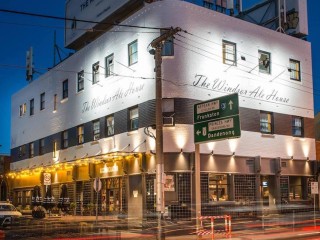
THE WINDSOR ALEHOUSE
Boston Brokers
Darwin CBD, NT
Price: FOR SALE - Contact Agent
- Turnover: Not disclosed
- Net Profit: Not disclosed
ESTABLISHED DARWIN GYM & FITNESS CENTRE
Business Brokers Network Australia
Darwin CBD, NT
Price: $199,000
- Turnover: Not disclosed
- Net Profit: Not disclosed
Highly profitable ($500k) NT safety training RTO. 2032 Registered (REF: 1598)
Infinity Business Brokers
Darwin CBD, NT
Price: $1,250,000
- Turnover: $Approximately $700,000 to $950,000 revenue over five years
- Net Profit: $Approximately $500,000 EBITDA
- Established: Established in 2008; almost 18 years of trading history
Award-Winning Cocktail Lounge & Catering Business For Sale - Darwin City - Prime CBD Location - Annual Turnover...
Johnston Business Sales
Darwin CBD, NT
Price: $300,000 + Stock
- Turnover: Not disclosed
- Net Profit: Not disclosed
Towing Company Alice Springs
Private Seller
Alice Springs, NT
Price: $900,000 WIWO
- Established: Over 35 years
Gym for Sale – Fully Equipped & Ready to Operate | Palmerston, Darwin
Private Seller
Darwin CBD, NT
Price: $50,000
- Turnover: Not disclosed
- Net Profit: Not disclosed
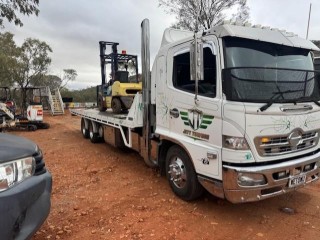
Concrete Taxi Franchise - Darwin! Mobile Truck Opportunity! Potential $100 - 200k EBITDA!
Business Brokers Network Australia
Darwin Region NT
Price: $290,000
- Turnover: Not disclosed
- Net Profit: Not disclosed
Interactive Vending Machines - Massive Return-on-Investment - Now Serving Healthy-Options plus Major Brands like...
Johnston Business Sales
Darwin CBD, NT
Price: From $50,000
- Turnover: Not disclosed
- Net Profit: Not disclosed
Premier Signarama Franchise Opportunity | Thriving B2B Signage Market
Johnston Business Sales
Darwin CBD, NT
Price: $230,000-250,000
- Established: Over 35 years of international success
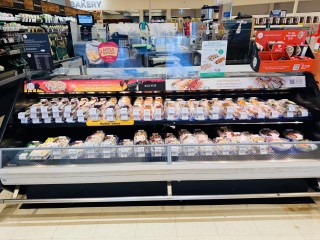
Sushi Izu Franchise for Sale | No Rent | Woolworths Bakewell | $130,000 + SAVE
Private Seller
Bakewell, NT
Price: $130,000 + SAV
- Turnover: $Approximately $566,000 annually; average weekly sales approximately $10,900
- Net Profit: $Estimated owner-operator earnings approximately $2,500–$3,200 per week, including owner's working income
- Established: Operating since 2016
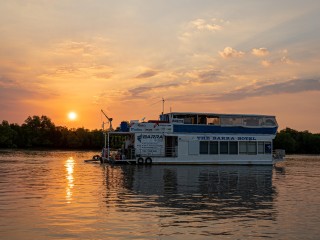
Fishing Charter and Live Aboard Mothership
Private Seller
Woolner, NT
Price: $449,000
- Established: Mothership situated at location for over 15 years

Established, profitable hospitality business generating $2.65 million in annual revenue and EBITDA of $372,409....
Johnston Business Sales
Darwin CBD, NT
Price: $950k$1.05m Offers...
- Turnover: Not disclosed
- Net Profit: Not disclosed

Established Turnkey Boutique Hair Salon in Prime Darwin Location
Private Seller
Northern Territory
Price:
- Turnover: Not disclosed
- Net Profit: Not disclosed
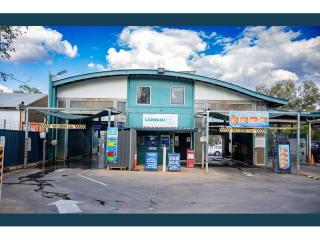
Car Wash, Detailing, Dog Wash and Rental Income
Car Wash Sales and Advisory
Alice Springs, NT
Price: Offers invited, $4M Plus
- Established: Established car wash and detailing operation

Chemical Free Pest Control Manufacturer & Retailer
The Finn Group
Darwin CBD, NT
Price: $650,000
- Turnover: Not disclosed
- Net Profit: Not disclosed

ONE TONNE of COFFEE A WEEK. 15 STORES. ONE EXCEPTIONAL ACQUISITION.
Boston Brokers
Darwin CBD, NT
Price: FOR SALE - Contact Agent
- Turnover: Not disclosed
- Net Profit: Not disclosed

THE SPORTING GLOBE BAR & GRILL – PLENTY VALLEY, VICTORIA
Boston Brokers
Alice Springs, NT
Price: FOR SALE - Contact Agent
- Turnover: $5.0 million+
- Net Profit: $750,000

The Sporting Globe Bar & Grill – Chermside, Queensland
Boston Brokers
Darwin CBD, NT
Price: FOR SALE - Contact Agent
- Turnover: Not disclosed
- Net Profit: Not disclosed
Market Overview
Based on Bsale Market data, the Northern Territory is a small but distinct business market, anchored by its capital city, Darwin, and supported by key regional centres such as Alice Springs.
There are currently 89 businesses for sale across the Northern Territory, representing a combined advertised value of approximately $56.8 million. The average asking price is $638,679, positioning the NT slightly below the national average ($658,623) while reflecting the presence of several higher-value regional businesses.
While the NT market is smaller in scale than the eastern states, it is characterised by specialised industries, geographic isolation and businesses servicing wide regional catchments.
How Many Businesses Are for Sale in the NT?
Based on current Bsale Market data, there are 89 active business listings across the Northern Territory.
The majority of listings are concentrated in Darwin, which functions as the Territory’s primary commercial hub. A smaller number of opportunities are found in Alice Springs, where businesses often service remote communities, tourism and essential services. Listing volumes are low compared with larger states, but opportunities are often highly specialised.
What Is the Average Asking Price for Businesses in the NT?
The average asking price for businesses in the Northern Territory is $638,679, sitting just below the national average ($658,623).
Pricing varies significantly within the Territory. Darwin’s average asking price is $557,466, reflecting the capital city’s concentration of hospitality, retail, trade and service-based businesses at accessible price points. In contrast, the Alice Springs region records a much higher average asking price of $1,164,583, driven by larger-scale regional, tourism and service businesses operating across broad and often remote catchments.
Compared with other capital city markets, Darwin is priced below Brisbane ($689,727) and below Perth ($672,082), while sitting above Melbourne ($558,863) and Sydney ($524,934). This spread highlights the NT’s mix of accessible entry opportunities alongside premium regional enterprises.
What Types of Businesses Are Selling in the NT?
Based on Bsale Market data, businesses for sale in the Northern Territory are closely aligned with the region’s geographic and economic profile. Common listings include hospitality venues, accommodation and tourism businesses, transport and logistics operations, construction and trade services, mechanical and industrial services, retail stores, cleaning and facilities services, and businesses supporting mining, defence and remote community infrastructure. This mix attracts buyers seeking niche operations and regional scale rather than high-volume metropolitan models.
Where Buyers Are Looking Across the Northern Territory
Buyer enquiry across the Northern Territory is concentrated primarily in Darwin, where population density, infrastructure and employment create the strongest ongoing demand. In Alice Springs, buyer interest is more selective and typically focused on established businesses with proven regional contracts, tourism exposure or essential service roles. Businesses with long trading histories and strong local relationships tend to attract the most enquiry.
How to Buy or Sell a Business in the Northern Territory
Since 2000, Bsale has helped Australians buy and sell businesses across the Northern Territory and every major city and regional centre nationwide. Buying or selling a business in the NT requires an understanding of regional demand drivers, workforce availability, logistics and realistic pricing expectations.
Buyers can compare live opportunities by industry, location and price range, while sellers improve outcomes by aligning their asking price with current market benchmarks and buyer demand. Businesses in the Northern Territory are commonly sold through licensed business brokers or marketed directly to buyers via the Bsale marketplace.
If you’re looking to buy, start with Bsale’s Buying a Business Guide to understand due diligence, valuations and finance. If you’re ready to sell, explore our Guide to Selling a Business, connect with a licensed business broker, or advertise your business directly on Bsale to reach qualified buyers.
> Register for alerts
> Sell a Business
> Guide to Selling a Business
> Guide to Buying a Business
Helpful Resources for Buying a Business in the NT
Popular Region Searches in Northern Territory
Stay up to date with new listings
Frequently Asked Questions
How do I get new business alerts?
To never miss a new opportunity, click "Save" after your search or simply set up your "Buyer Alerts". Our system will email you matching new listings daily at 6 am, giving you a head start on the latest market opportunities.
How much money do I need to buy a business?
To secure a business loan in Australia, cash is king. Most lenders cap their Loan-to-Value Ratio (LVR) at 50–70%, meaning you typically need a 30% to 50% cash deposit upfront.
With the average asking price on Bsale currently sitting at $659,535 (Dec 2025), you should aim for a starting capital budget of $200,000 to $330,000 for a standard acquisition. However, the market is diverse with prices ranging from $20,000 micro-businesses to multi-million dollar enterprises, so it will depend heavily on the business you're buying.
Don't forget to budget for the "hidden" closing costs beyond the purchase price, which require immediate liquid cash. You will typically need to set aside between $1,500 and $8,000 for legal fees depending on complexity, plus funds for due diligence expenses like accountant reviews, government duties, and lease transfer costs. Crucially, you should also retain a working capital buffer large enough to cover wages, rent, the lease bond, and stock for your first 90 days of trade.
Is the price fair? Most small businesses are valued using a "multiple of profit" typically 1.5x to 4x annual net profit. For example, If a business nets $150,000 a year, a fair market price is likely between $225,000 and $600,000. Once you conduct due diligence it will help you to establish what is a fair price for the business.
What should I check before buying a business?
You must conduct thorough due diligence across three key pillars:
- Financials: Verify 3 years of Profit & Loss (P&L) and BAS statements.
- Legal: Review the commercial lease terms and required licenses.
- Operations: Check staff contracts and the condition of equipment.
Always have a qualified accountant verify that the owner's "Discretionary Earnings" (SDE) actually match the bank statements. Poor due diligence is the #1 cause of post-sale failure, so never skip this verification.
How long does it take to buy a business?
On average, most small business purchases take 6 to 14 weeks from the initial enquiry to final settlement, though complex acquisitions involving government licenses or commercial finance can extend beyond six months.
The process typically unfolds in four consecutive stages. It begins with Enquiry & Initial Review (1–3 weeks), where you sign an NDA and assess the Information Memorandum. This moves into Due Diligence (2–4 weeks), a critical period for your accountant and solicitor to investigate tax returns and lease agreements. Once satisfied, you enter Offer & Negotiation (1–2 weeks) to agree on price and terms, before concluding with Finance & Legal Finalisation (2–5 weeks) to secure bank approval and transfer the lease.
How do I sell a business?
To achieve the highest price, ensure your financials are "bank-ready" and your operations are fully documented. You can choose to list directly on Bsale to reach our database of qualified buyers or engage a licensed business broker to manage the valuation and negotiation process for you.
> Sell a Business
> Guide to Selling a Business
> Read Testimonials
Why is the NT a great place to buy a business?
The Northern Territory offers a unique mix of lifestyle, affordability and demand-driven industries, making it an attractive place to buy a business. With a population of around 250,000 concentrated across Darwin, Palmerston, Katherine and Alice Springs, the NT has smaller but consistent local markets supported by essential services, tourism, construction, transport and government activity.
The Territory’s economy is heavily influenced by major infrastructure projects, defence investment, resources activity and steady year-round tourism, which creates strong demand for businesses in trades, logistics, hospitality, retail and accommodation. Fewer competing operators also mean many sectors have less saturation compared to larger states, giving new buyers room to grow and diversify.
With lower entry prices than the national average, a resilient essential-services base, and ongoing investment in defence, infrastructure and regional development, the NT provides opportunities for buyers seeking stable demand, lifestyle flexibility and long-term commercial potential.
> NT Economy Snapshot – NT Government
> NT Demographics – ABS
> Your Guide to Buying a Business in Australia - Bsale
What businesses in the NT are buyers most interested in?
Buyer demand in the NT is strongest in industries tied to essential services, tourism and major infrastructure activity. Transport and logistics businesses remain highly sought-after due to the Territory’s reliance on freight, remote servicing and defence-related movement. Construction, trades and maintenance businesses also attract steady interest, driven by ongoing government and private development across Darwin and regional centres.
Hospitality, tourism and accommodation businesses see consistent demand thanks to the Territory’s year-round visitor economy and iconic destinations such as Kakadu, Uluru, Litchfield and the Tiwi Islands. Retail, convenience, service-based businesses and small food operators (cafes, takeaways, mobile food) also perform well in areas with strong local foot traffic.
Overall, NT buyers gravitate toward established, demand-driven operations that support local communities, service remote regions or benefit from the Territory’s strong tourism and infrastructure pipeline.
Which areas of the NT are best for owning a small business?
The Northern Territory has a small but steady business landscape, with activity concentrated around a few key hubs. Darwin is the Territory’s main commercial centre and the strongest location for small businesses, supported by government services, defence activity, tourism, hospitality and retail. Suburbs such as Darwin CBD, Parap, Nightcliff and Casuarina offer reliable local demand and high foot traffic, especially around major shopping centres like Casuarina Square.
South of Darwin, Palmerston continues to grow quickly and is popular for trades, construction, childcare, health services and neighbourhood retail due to its young population and ongoing housing development.
In regional NT, Alice Springs is a major service hub for remote communities, attracting demand for hospitality, tourism operators, trades, transport, health and essential services. Katherine and Tennant Creek also provide strong opportunities in accommodation, transport, tourism and support services tied to regional travel and government work.
Overall, the best-performing NT locations are those with steady local populations, consistent government and defence activity, or high tourist visitation making Darwin, Palmerston, Alice Springs and Katherine the strongest areas for small business ownership.
What Government support is available in the NT?
The Northern Territory Government provides a range of grants, training programs and advisory services to support small business owners, buyers and operators. Much of the support is focused on helping local businesses grow, innovate and employ, particularly in priority sectors such as tourism, trades, hospitality, transport and services.
Popular programs include business improvement grants, digital capability funding, skills and workforce development support, and assistance for businesses operating in remote or regional areas. The NT Government also offers targeted programs for tourism operators and Indigenous-owned businesses, which play a significant role in the Territory’s economy.
While immigration pathways are managed federally, the NT participates in certain skilled migration nomination streams that may support business owners or operators relocating to the Territory, subject to eligibility.
Here are useful government links for NT business owners:
> Business Grants & Programs – NT Government
> Business Support Services – NT Business
> Skilled Migration Pathways – Northern Territory Government