


 Search Filters
25 Businesses For Sale in Mount Gambier & South East SA
Results 1-20 of 25
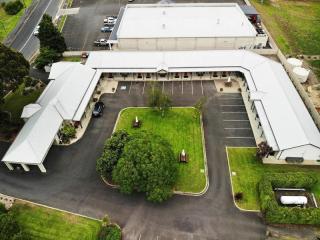
High-Potential Country Post and Bistro Business For Sale - Prime Glencoe, SA- Fuel Station & Convenience Store...
Johnston Business Sales
Mount Gambier, SA
Price: POA
- Turnover: Not disclosed
- Net Profit: Not disclosed
Mt Gambier. Time for Cake? It's your turn for The Cheesecake Shop
Johnston Business Sales
Mount Gambier, SA
Price: 470000
- Established: Over 30 years
High-Potential Pet Boarding & Grooming Business For Sale - Lifestyle Property with Rural Charm - Prime Mount...
Johnston Business Sales
Mount Gambier, SA
Price: $1.2M - $1.25M
- Turnover: Not disclosed
- Net Profit: Not disclosed
The Sporting Globe Bar & Grill – Chermside, Queensland
Boston Brokers
Mount Gambier, SA
Price: FOR SALE - Contact Agent
- Turnover: Not disclosed
- Net Profit: Not disclosed

EXPRESS SALE – Chris Evans Transport Pty Ltd (Administrators Appointed)
Xcllusive Business Sales Pty Ltd
Renmark, SA
Price: Expression of Interest
- Turnover: $9.2+ million
- Net Profit: Not disclosed
- Established: 25+ years

** UNDER OFFER ** South Australia New Release Freehold & Business Self storage facility
Versace Business Services
South Australia
Price:
- Turnover: Not disclosed
- Net Profit: Not disclosed

Junction Hotel - Freehold - Peterborough, SA
Coast to Coast Business Sales
Peterborough, SA
Price: EXPRESSIONS OF INTEREST –...
- Turnover: Not disclosed
- Net Profit: Not disclosed

Exciting opportunity to purchase a profitable Riverland institution
No Agent Business
Renmark, SA
Price:
- Turnover: Not disclosed
- Net Profit: Not disclosed

Indian Grocery and Takeaway for Sale
Direct Business Hub
Mount Gambier, SA
Price: Expressions of Interest
- Turnover: Not disclosed
- Net Profit: Not disclosed
IGA Supermarket For Sale Near Mount Gambier – Regional SA
Achiever Business Brokers
Mount Gambier, SA
Price: New Price - $630,000 + SAV...
- Turnover: $70,000 weekly
- Net Profit: Not disclosed
- Established: Well-established
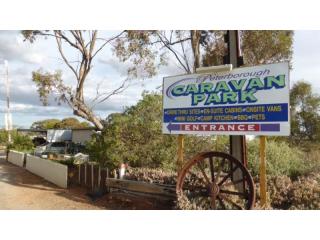
Vendor Committed to Sale – Freehold Caravan Park at the Gateway to the Flinders Ranges
CRE Brokers
Peterborough, SA
Price: FHGC - $2,300,000 Negoti...
- Established: Well-established regional tourism business

Premier Printing and Uniform Supply Business
The Finn Group
Renmark West, SA
Price: $515,000 + SAV
- Turnover: Not disclosed
- Net Profit: Not disclosed
- Established: 39 years

Flooring Retail Business - Strong Profits, Regional Hub
The Finn Group
Naracoorte, SA
Price: $549,000 + SAV
- Turnover: Not disclosed
- Net Profit: Not disclosed
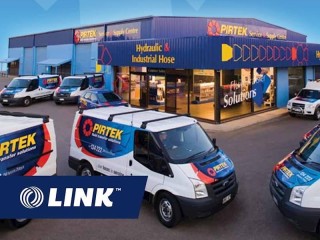
Pirtek Franchise Mount Gambier
LINK New South Wales
Mount Gambier & South East SA
Price: $150,000
- Turnover: Not disclosed
- Net Profit: Not disclosed
- Established: Over 40 years

Finance Broker - Mount Gambier Exclusive Territory - Yellow Brick Road (CCYBR033)
Wollermann Business Brokers
Mount Gambier, SA
Price: $5,000
- Turnover: Not disclosed
- Net Profit: Not disclosed
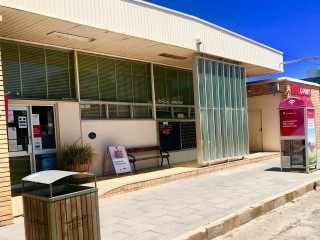
Fantastic Country Post Office & Freehold property
Business Interests
South Australia
Price: $799,000 + SAV
- Turnover: Not disclosed
- Net Profit: Not disclosed
IGA Supermarket For Sale - Mt Gambier
Achiever Business Brokers
Mount Gambier, SA
Price: Price Dropped! Now $180,000...
- Turnover: $1.59 million
- Net Profit: Not disclosed
SOLD! Flooring, Tiling, Blinds and Shutters Business – South Australia
Xcllusive Business Sales Pty Ltd
Mount Gambier, SA
Price: $1,940,000 + SAV
- Turnover: $1,025,000
- Net Profit: Not disclosed
- Established: 134 and 45 years in operation respectively
THERE’S MORE THAN ONE WAY TO SKIN A CAT - 2814MF
Tourism Brokers
Penola, SA
Price: SOLD
- Turnover: Not disclosed
- Net Profit: $581,258
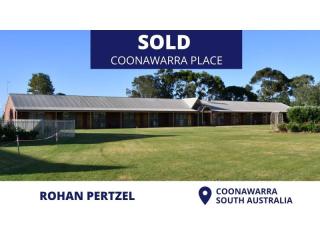
SOLD - Coonawarra Place
CRE Brokers
Coonawarra, SA
Price: Leasehold $250,000
- Turnover: Not disclosed
- Net Profit: Not disclosed
Market Overview
Based on Bsale Market data, the Mount Gambier and South East SA business market offers a mix of lifestyle and growth-oriented opportunities in South Australia’s southeastern region. Buyers can access established businesses across hospitality, retail, trades, and service industries, often with strong community ties and reliable cash flow.
There are currently 29 businesses for sale in Mount Gambier, representing a combined advertised value of approximately $19 million. The average asking price is $656,793, providing a clear benchmark for buyers assessing market entry points in South Australia’s regional markets.
Mount Gambier's average asking price sits slightly below the South Australian state average ($671,511) and slightly below Adelaide ($667,502), while being above the Barossa Valley ($328,636). This reflects a higher proportion of established, cash-flow-positive businesses, with moderate scale and strong local market demand.
> Bsale Market Insights
How Many Businesses Are for Sale in Mount Gambier?
Based on current Bsale Market data, there are 29 active business listings across Mount Gambier and South East SA.
While smaller than Adelaide, the region maintains a vibrant market with consistent buyer interest. Opportunities span key towns and surrounding areas, offering options for hospitality, retail, trades, and service-based businesses suitable for lifestyle or semi-retirement buyers.
What Is the Average Asking Price for Businesses in Mount Gambier?
The average asking price for businesses in Mount Gambier and South East SA is $656,793, ranking the region among South Australia’s moderately priced regional markets.
For comparison, the national average sits at $658,623, whilst Adelaide’s average is $667,502, and the Barossa Valley is $328,636. Pricing reflects a diverse mix of established hospitality, retail, trade, and professional service businesses, many with steady earnings and long operating histories.
What Types of Businesses Are Selling in Mount Gambier?
Based on Bsale Market data, Mount Gambier offers a wide range of businesses that appeal to lifestyle-focused and investment-minded buyers. Common listings include cafes, restaurants, takeaway food businesses, retail stores, construction and trade services, light industrial operations, professional services, and health-related businesses. These enterprises attract buyers seeking steady cash flow, manageable overheads, and strong local market support.
Where Buyers Are Looking in Mount Gambier
Buyer enquiry across Mount Gambier and South East SA remains steady, with interest focused on regional towns and local commercial centres. The popular towns attracting buyers include Mount Gambier, Millicent, Penola, Kingston SE, and Robe, with smaller communities such as Naracoorte and Bordertown also drawing interest from lifestyle and first-time buyers. The focus remains on established businesses in hospitality, retail, and service industries, with buyers seeking manageable, owner-operated opportunities within the region.
How to Buy or Sell a Business in Mount Gambier
Since 2000, Bsale has helped Australians buy and sell businesses across Mount Gambier
and every major city and regional centre nationwide. Buying or selling a business in Mount Gambier and South East SA requires an understanding of local pricing expectations, industry demand and buyer behaviour across different sectors and locations.
Buyers can compare live opportunities by industry, location and price range, while sellers improve outcomes by aligning their asking price with current market benchmarks and buyer demand. Businesses in Mount Gambier are commonly sold through licensed business brokers or marketed directly to buyers via the Bsale marketplace.
If you’re looking to buy, start with Bsale’s Buying a Business Guide to understand due diligence, valuations and finance. If you’re ready to sell, explore our Guide to Selling a Business, connect with a licensed business broker, or advertise your business directly on Bsale to reach qualified buyers.
> Register for alerts
> Sell a Business
> Guide to Selling a Business
> Guide to Buying a Business
Helpful Resources for Buying a Business in Mount Gambier
Popular Searches in Mount Gambier & South East SA
Stay up to date with new listings
Frequently Asked Questions
How do I get new business alerts?
To never miss a new opportunity, click "Save" after your search or simply set up your "Buyer Alerts". Our system will email you matching new listings daily at 6 am, giving you a head start on the latest market opportunities.
How much money do I need to buy a business?
To secure a business loan in Australia, cash is king. Most lenders cap their Loan-to-Value Ratio (LVR) at 50–70%, meaning you typically need a 30% to 50% cash deposit upfront.
With the average asking price on Bsale currently sitting at $659,535 (Dec 2025), you should aim for a starting capital budget of $200,000 to $330,000 for a standard acquisition. However, the market is diverse with prices ranging from $20,000 micro-businesses to multi-million dollar enterprises, so it will depend heavily on the business you're buying.
Don't forget to budget for the "hidden" closing costs beyond the purchase price, which require immediate liquid cash. You will typically need to set aside between $1,500 and $8,000 for legal fees depending on complexity, plus funds for due diligence expenses like accountant reviews, government duties, and lease transfer costs. Crucially, you should also retain a working capital buffer large enough to cover wages, rent, the lease bond, and stock for your first 90 days of trade.
Is the price fair? Most small businesses are valued using a "multiple of profit" typically 1.5x to 4x annual net profit. For example, If a business nets $150,000 a year, a fair market price is likely between $225,000 and $600,000. Once you conduct due diligence it will help you to establish what is a fair price for the business.
What should I check before buying a business?
You must conduct thorough due diligence across three key pillars:
- Financials: Verify 3 years of Profit & Loss (P&L) and BAS statements.
- Legal: Review the commercial lease terms and required licenses.
- Operations: Check staff contracts and the condition of equipment.
Always have a qualified accountant verify that the owner's "Discretionary Earnings" (SDE) actually match the bank statements. Poor due diligence is the #1 cause of post-sale failure, so never skip this verification.
How long does it take to buy a business?
On average, most small business purchases take 6 to 14 weeks from the initial enquiry to final settlement, though complex acquisitions involving government licenses or commercial finance can extend beyond six months.
The process typically unfolds in four consecutive stages. It begins with Enquiry & Initial Review (1–3 weeks), where you sign an NDA and assess the Information Memorandum. This moves into Due Diligence (2–4 weeks), a critical period for your accountant and solicitor to investigate tax returns and lease agreements. Once satisfied, you enter Offer & Negotiation (1–2 weeks) to agree on price and terms, before concluding with Finance & Legal Finalisation (2–5 weeks) to secure bank approval and transfer the lease.
How do I sell a business?
To achieve the highest price, ensure your financials are "bank-ready" and your operations are fully documented. You can choose to list directly on Bsale to reach our database of qualified buyers or engage a licensed business broker to manage the valuation and negotiation process for you.
> Sell a Business
> Guide to Selling a Business
> Read Testimonials
Why is Mount Gambier a good place to buy a business right now?
Mount Gambier and the South East are offering a strong buying window for investors, supported by steady regional growth, cross‑border trade with Victoria and major investment across agriculture, forestry and tourism. As the region continues to expand its economic base, demand for essential services and local operators is rising faster than supply.
The market is active, currently holding 29 listings with a combined total value of $19 million. This gives buyers a solid level of choice across hospitality, trades, retail and lifestyle businesses, while the average asking price of $656,793 sits below both the South Australian average and Adelaide, and remains closely aligned with the national benchmark.
Financially, this creates a compelling value proposition. The lower entry point, combined with consistent year‑round trade and strong community loyalty, provides owner‑operators with better serviceability and more predictable returns than many metropolitan markets.
> Guide to Buying a BusinessWhat types of businesses for sale in Mount Gambier are most popular?
The South East SA market is led by Cafes, Takeaways and Restaurants remaining the most searched categories thanks to strong local patronage and steady tourism through the Limestone Coast. Essential Services are also in high demand, particularly Trades, Construction, Automotive and industrial businesses that support the region’s agricultural and forestry sectors. Health, Beauty and Professional Services continue to attract buyers seeking stable, recurring revenue streams, while transport and logistics businesses are gaining momentum due to the region’s strategic position between Adelaide and Victoria.
Which Mount Gambier suburbs are best for buying a business?
Mount Gambier remains the strongest commercial hub in the region, delivering the highest foot traffic for hospitality, retail and service‑based businesses. Industrial and trade‑focused buyers are gravitating toward the city’s outer precincts, where larger sites and workshops are more readily available. Across the wider South East, towns such as Millicent, Paringa, and Robe are attracting lifestyle‑driven buyers seeking established hospitality and tourism businesses, while Naracoorte and Bordertown continue to perform well for essential services and owner‑operated enterprises supported by strong local communities.
Are there specific legal requirements for buying a business in Mount Gambier?
Yes. businesses in South Australia must verify whether the following conditions apply. First, under the Retail and Commercial Leases Act 1995 (SA), a landlord is legally required to provide a Lessor’s Disclosure Statement before you enter into a new lease or assignment; this document is essential as it outlines all outgoings, rent obligations, renewal options, and any existing tenancy issues that could affect your business. Second, for businesses involving alcohol service, you must confirm the licence status with Consumer and Business Services (CBS) to ensure the venue has no compliance breaches or conditions that could restrict trading hours or future applications. Finally, your solicitor should always request a Planning and Zoning Certificate from PlanSA to verify that the premises is approved for the business activity you intend to operate, as well as to identify any development restrictions or outstanding compliance matters. There are also state taxes, duties, and transfer fees to understand.
These laws are complex, so always consult a qualified South Australian commercial solicitor before signing any contracts.
For operational assistance, new owners can access support through the Office for Small and Family Business, which provide guidance on council approvals, licensing, and regulatory requirements. Additionally, the SA Small Business Commissioner offers low‑cost mediation services for B2B and retail lease disputes and a vital resource for navigating commercial tenancies. There are also Grants and Funding programs available through the South Australian Government.
These laws are complex, so always consult a qualified South Australian commercial solicitor before signing any contracts.
For operational assistance, new owners can access support through the Office for Small and Family Business, which provide guidance on council approvals, licensing, and regulatory requirements. Additionally, the SA Small Business Commissioner offers low‑cost mediation services for B2B and retail lease disputes and a vital resource for navigating commercial tenancies. There are also Grants and Funding programs available through the South Australian Government.