 1
1











 Search Filters
129 Businesses For Sale in Australian Capital Territory
Results 1-20 of 129
Successful Sushi Business for sale
Private Seller
Greenway, ACT
Price: $450,000 + SAV
- Turnover: $Over $1mill per year
- Established: 14 years
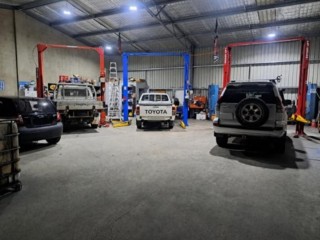
AUTOMOTIVE MECHANICAL REPAIR BUSINESS
Private Seller
Hume, ACT
Price: $280,000
- Established: Approximately 30 years
Automotive refinishing business
Private Seller
Canberra Region ACT
Price: $200,000 WIWO
- Net Profit: $Average profit $240,000pa
- Established: Trading since 2020
Highly profitable culinary business with consistent long-term returns.
Summit Business Brokers
Kingston, ACT
Price: $585,000
- Established: More than two decades
Concrete Taxi Franchise - Canberra Area! Mobile Truck Opportunity! Potential $100 - 200k EBITDA!
Business Brokers Network Australia
Canberra Region ACT
Price: $290,000
- Turnover: Not disclosed
- Net Profit: Not disclosed
Frozen Yogurt Brand | 2 Stores | Great Profits
GSE Hospitality Brokers
City, ACT
Price: $819,000
- Turnover: $30,986 per week
- Net Profit: $7,702 per week net profit
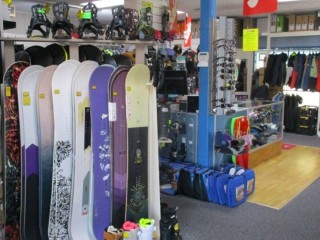
Well-Established Retail & Rental Snow Sports Business For Sale - Prime Belconnen, ACT- High Foot Traffic -...
Johnston Business Sales
City, ACT
Price: $500,000+ Stocks
- Turnover: Not disclosed
- Net Profit: Not disclosed
New Coffee Guru Franchise Opportunity - Dickson, ACT Asking Price: $300,000 Includes Full Fit-Out, Equipment &...
Johnston Business Sales
Dickson, ACT
Price: 300,000
- Turnover: Not disclosed
- Net Profit: Not disclosed
Own and operate your own taxi with ACT Cabs
Private Seller
Fyshwick, ACT
Price: $25,000
- Turnover: Not disclosed
- Net Profit: Not disclosed
New Lone Star Rib House & Brews Restaurant & Bar Franchise For Sale - Reputed Brand - Woden, ACT - Upcoming Venue...
Johnston Business Sales
Woden, ACT
Price: $399,000
- Turnover: Not disclosed
- Net Profit: Not disclosed
Coombs ACT. It's your turn for The Cheesecake Shop
Johnston Business Sales
Phillip, ACT
Price: 459000
- Turnover: Not disclosed
- Net Profit: Not disclosed
Inner South Suburban Pizza & Light Bites | New 5x5 Lease
GSE Hospitality Brokers
City, ACT
Price: $299,000 + SAV
- Net Profit: $3,498 per week adjusted profit
- Established: Over 20 years
Modern Asian Restaurant Loved By Locals Inner North Location
GSE Hospitality Brokers
Kingston, ACT
Price: $319,000 + SAV
- Turnover: $22,606 per week
- Net Profit: $4,487 per week
- Established: Trading for 5 years
Ready for its next chapter - Regional Workwear Business!
The Finn Group
City, ACT
Price: $2,900,000
- Turnover: $Approximately $702,000 FY2026 revenue
- Established: Long-established regional business
Highly Profitable and Extremely Unique Retail Store
The Finn Group
Canberra CBD, ACT
Price: $795,000 + SAV
- Established: Established in 2020
NDIS support and coordination provider ACT & Regional NSW
Private Seller
Dickson, ACT
Price: $2,500,000
- Turnover: $4.4M annual revenue
- Established: 10+ years established
Thriving Campbell Bakery and Sandwich Shop, Turnkey Opportunity, Prime Suburban Location
Private Seller
Campbell, ACT
Price: $45,000 WIWO
- Established: Established business
Prime Retail Opportunity | Westfield Belconnen | Fitout & Lease Assignment
IB Networks
Belconnen, ACT
Price: Expressions of Interest
- Established: Fitout completed in December 2023
Northside Takeaway | Manageable with Room To Scale
GSE Hospitality Brokers
Forde, ACT
Price: $89,000
- Turnover: $5/6k per week
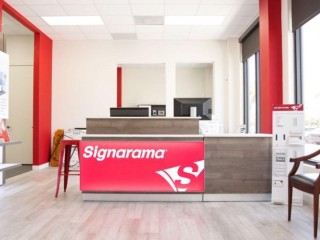
Join Australia's #1 Signage Franchise | Proven B2B Business Model
Johnston Business Sales
City, ACT
Price: 230,000-250,000
- Established: Over 35 years of international success
Market Overview
Based on Bsale Market data, the Australian Capital Territory is a compact but highly stable business market, anchored entirely by its capital city, Canberra.
There are currently 158 businesses for sale across the ACT, representing a combined advertised value of approximately $78.2 million. The average asking price is $494,657, positioning the ACT as one of the most affordable capital city business markets in Australia.
While smaller in scale than the eastern states, the ACT benefits from a concentrated economy driven by government services, professional industries, healthcare, education and population-supported local businesses. This creates consistent demand and lower volatility compared with many larger markets.
> Bsale Market Insights
How Many Businesses Are for Sale in the ACT?
Based on current Bsale Market data, there are 158 active business listings across the Australian Capital Territory. As the ACT market is fully centred on Canberra, all listings fall within the broader Canberra region. While listing volumes are lower than in Sydney, Melbourne or Brisbane, businesses in the ACT are often well-established and supported by long-term employment stability and institutional demand.
What Is the Average Asking Price for Businesses in the ACT?
The average asking price for businesses in the ACT is $494,657, sitting well below the national average of $658,623.
ACT pricing is lower than most other states, including New South Wales ($605,147) and Victoria ($589,072), reflecting the territory’s smaller, highly concentrated market structure. Compared with other capital cities, Canberra is also priced below Sydney ($524,934), Melbourne ($558,863), Brisbane ($689,727) and Perth ($672,082).
This pricing profile reflects the ACT’s strong concentration of owner-operated, service-based and professional businesses, offering relatively accessible entry points within a capital city environment.
What Types of Businesses Are Selling in the ACT?
Based on Bsale Market data, businesses for sale in the ACT are predominantly service-oriented and professional, aligned with Canberra’s role as Australia’s administrative and policy centre.
Common listings include professional and financial services, healthcare and allied health practices, education and training businesses, hospitality venues, retail operations, cleaning and facilities services, trade businesses and government-adjacent support services. This mix appeals to buyers seeking predictable demand and long-term stability.
Where Buyers Are Looking Across the ACT
Buyer enquiry across the ACT is concentrated within Canberra’s main commercial and residential hubs.
Consistent interest is seen in Canberra CBD and Civic, as well as inner areas such as Braddon, Kingston and Barton, which benefit from employment density and mixed-use development. Belconnen, Woden and Tuggeranong also attract steady buyer interest, particularly for local service, retail and hospitality businesses serving established residential communities.
How to Buy or Sell a Business in the ACT
Since 2000, Bsale has helped Australians buy and sell businesses across the ACT and every major city and regional centre nationwide. Buying or selling a business in the ACT requires an understanding of local demand drivers, government-linked industries and realistic pricing expectations.
Buyers can compare live opportunities by industry, location and price range, while sellers improve outcomes by aligning their asking price with current market benchmarks and buyer demand. Businesses in the ACT are commonly sold through licensed business brokers or marketed directly to buyers via the Bsale marketplace.
If you’re looking to buy, start with Bsale’s Buying a Business Guide to understand due diligence, valuations and finance. If you’re ready to sell, explore our Guide to Selling a Business, connect with a licensed business broker, or advertise your business directly on Bsale to reach qualified buyers.
> Register for alerts
> Sell a Business
> Guide to Selling a Business
> Guide to Buying a Business
Helpful Resources for Buying a Business in ACT
Popular Region Searches in Australian Capital Territory
Stay up to date with new listings
Frequently Asked Questions
How do I get new business alerts?
To never miss a new opportunity, click "Save" after your search or simply set up your "Buyer Alerts". Our system will email you matching new listings daily at 6 am, giving you a head start on the latest market opportunities.
How much money do I need to buy a business?
To secure a business loan in Australia, cash is king. Most lenders cap their Loan-to-Value Ratio (LVR) at 50–70%, meaning you typically need a 30% to 50% cash deposit upfront.
With the average asking price on Bsale currently sitting at $659,535 (Dec 2025), you should aim for a starting capital budget of $200,000 to $330,000 for a standard acquisition. However, the market is diverse with prices ranging from $20,000 micro-businesses to multi-million dollar enterprises, so it will depend heavily on the business you're buying.
Don't forget to budget for the "hidden" closing costs beyond the purchase price, which require immediate liquid cash. You will typically need to set aside between $1,500 and $8,000 for legal fees depending on complexity, plus funds for due diligence expenses like accountant reviews, government duties, and lease transfer costs. Crucially, you should also retain a working capital buffer large enough to cover wages, rent, the lease bond, and stock for your first 90 days of trade.
Is the price fair? Most small businesses are valued using a "multiple of profit" typically 1.5x to 4x annual net profit. For example, If a business nets $150,000 a year, a fair market price is likely between $225,000 and $600,000. Once you conduct due diligence it will help you to establish what is a fair price for the business.
What should I check before buying a business?
You must conduct thorough due diligence across three key pillars:
- Financials: Verify 3 years of Profit & Loss (P&L) and BAS statements.
- Legal: Review the commercial lease terms and required licenses.
- Operations: Check staff contracts and the condition of equipment.
Always have a qualified accountant verify that the owner's "Discretionary Earnings" (SDE) actually match the bank statements. Poor due diligence is the #1 cause of post-sale failure, so never skip this verification.
How long does it take to buy a business?
On average, most small business purchases take 6 to 14 weeks from the initial enquiry to final settlement, though complex acquisitions involving government licenses or commercial finance can extend beyond six months.
The process typically unfolds in four consecutive stages. It begins with Enquiry & Initial Review (1–3 weeks), where you sign an NDA and assess the Information Memorandum. This moves into Due Diligence (2–4 weeks), a critical period for your accountant and solicitor to investigate tax returns and lease agreements. Once satisfied, you enter Offer & Negotiation (1–2 weeks) to agree on price and terms, before concluding with Finance & Legal Finalisation (2–5 weeks) to secure bank approval and transfer the lease.
How do I sell a business?
To achieve the highest price, ensure your financials are "bank-ready" and your operations are fully documented. You can choose to list directly on Bsale to reach our database of qualified buyers or engage a licensed business broker to manage the valuation and negotiation process for you.
> Sell a Business
> Guide to Selling a Business
> Read Testimonials
Why is the ACT a good place to buy a business right now?
The ACT offers a stable and growing environment for business buyers, anchored by its role as Australia’s government and administrative hub. With a concentrated population and consistent demand for services, the region supports a wide range of industries, from hospitality and retail to professional and personal services.
The market is active, currently listing 160 businesses with a combined total value of $77 million, while the average asking price of $506,584 remains well below the national average of $658,623. This creates accessible entry points for both first-time buyers and experienced investors looking for established revenue streams in a secure, high-demand region.
Financially, the ACT provides a compelling proposition: moderate entry costs, strong government-driven economic stability, and a compact population that supports consistent turnover. Buyers can benefit from lower competition than major capitals while taking advantage of a resilient market with opportunities for long-term growth and profitability.
What businesses in the ACT are buyers most interested in?
In the ACT, buyers gravitate toward stable, service-based businesses that benefit from Canberra’s high-income population and strong government workforce. Cafes, restaurants, and boutique hospitality venues remain popular thanks to steady weekday trade and reliable weekend locals. Retail, beauty, and wellness operators also attract solid interest in busy suburban centres.
Professional services including accounting, consulting, IT support, and allied health continue to perform strongly due to the territory’s large knowledge-based workforce. Trades and home services such as cleaning, gardening, maintenance, and small construction operators also see consistent demand.
Overall, ACT buyers look for well-established businesses with predictable cashflow, strong local demand and low volatility.
Which areas of the ACT are best for owning a small business?
Because the ACT is compact, most business activity is centred in Canberra, where the territory’s population, workforce and spending power are concentrated. The strongest opportunities are found in the main town centres; Civic, Belconnen, Woden, Tuggeranong and Gungahlin. Anchored by major shopping hubs such as Canberra Centre, Westfield Belconnen and Westfield Woden, these precincts offer consistent foot traffic, strong household incomes and stable demand for hospitality, retail, trades, health and professional services.
Surrounding suburbs and local neighbourhood centres also perform well thanks to a steady, year-round population driven by government, education and tourism. Overall, well-located businesses in and around Canberra’s major town centres and shopping districts tend to achieve the best results in the ACT.
What Government support is available in the ACT?
The ACT Government provides a range of support services, grants and advisory programs designed to help business owners start, grow or transition into a business. Through the Business Hub, owners can access guidance on licensing, compliance, digital capability, workforce, and operating in regulated sectors. Additional support is available through Access Canberra, which provides information on starting or purchasing a business, and the Canberra Business Advice & Support Service, offering mentoring and business planning assistance.
The territory also provides resources for innovation, sustainability initiatives and skills development, with further support available from the Australian Government for tax, employment and small-business programs.
For those relocating to the ACT, federal visas may be available depending on business ownership, investment or skilled migration pathways.
Useful links include:
> Business Hub – ACT Government
> Business and Work - Access Canberra
> Canberra Business Advice & Support Service
> Business & Investment Visas – Department of Home Affairs