 0
0
 2
2
 1
1
 1
1
 3
3
 16
16
 1
1
 1
1
 5
5
 4
4
 8
8
 10
10
 8
8
 4
4
 5
5


 Search Filters
1,525 Businesses For Sale in Western Australia
Results 1-20 of 1,525
Building Products Business for sale- Perth
Private Seller
Perth Region WA
Price: $200,000
- Turnover: Not disclosed
- Net Profit: Not disclosed
Established Gutter Knight Franchise for Sale
Private Seller
Karrinyup, WA
Price: $80,000
- Turnover: $232,000 annual revenue
- Established: Gutter Knight has operated across Australia since 2012
Established Adult Psychology Practice – Perth CBD Fringe – $69,000 WIWO
Private Seller
Perth Region WA
Price: $69,000 WIWO
- Turnover: $Approximately $150,000 per annum
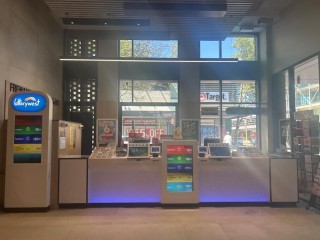
High-Traffic Turn-Key Kiosk | Coles Supermarket Facing
Private Seller
Perth Region WA
Price: $260,000 + SAV
- Turnover: $1,293,719.45 over 14 months
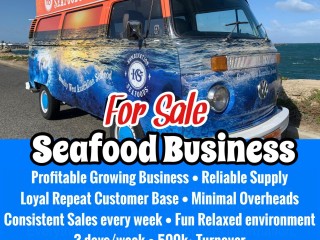
Seafood Business For Sale **PRICE REDUCED TO SELL**
Private Seller
Perth CBD, WA
Price: $195,000 WIWO
- Turnover: $Over $500,000 annually
- Established: Operating for 10 years
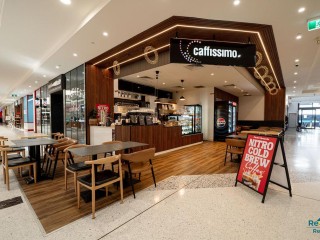
Caffissimo Franchise Opportunities - Western Australia Wide - Brew Your Own Success
Private Seller
Perth Region WA
Price:
- Turnover: Not disclosed
- Net Profit: Not disclosed
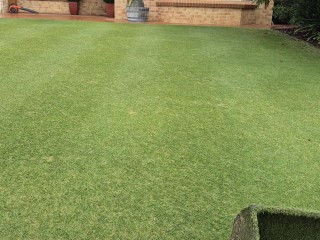
Lawnmowing Business Independent
Private Seller
Wanneroo, WA
Price: $133,000 WIWO
- Established: 35+ years; current vendor ownership for 20 years
Established Sound & Wellness Studio, Wembley | $900k+ Revenue Since Opening
Private Seller
Wembley, WA
Price: $39,000
- Turnover: $Over $900,000 in revenue since opening
- Established: Since opening
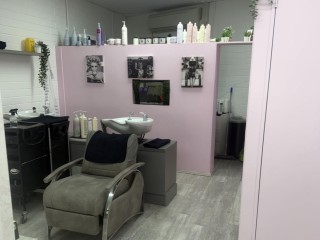
# ESTABLISHED HAIR SALON – BUSINESS FOR SALE
Private Seller
Perth Region WA
Price: $45,000
- Established: 7 years of trading history; previous owner operated for 20 years
Rare Regional Monopoly - Award-Winning Fashion Boutique, Pilbara.
Private Seller
Port Hedland, WA
Price: $320,000
- Turnover: $825,000 pa
- Net Profit: $140k+ profit
- Established: 10 years of continuous trading
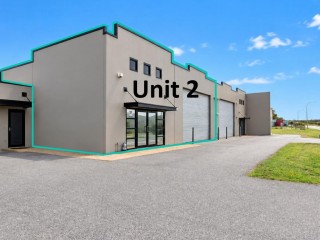
Coastal Industrial Business Premises
Private Seller
Ledge Point, WA
Price: $588,000
- Turnover: Not disclosed
- Net Profit: Not disclosed
$100K WIWO — Established Perth Florist | 20+ Years | Turnkey Opportunity
Private Seller
Perth Region WA
Price: $100,000 WIWO
- Established: More than 20 years
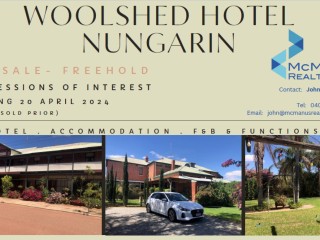
Iconic Nungarin Woolshed Hotel: For Sale: By Expressions of Interest
McManus Realty
Nungarin, WA
Price:
- Turnover: Not disclosed
- Net Profit: Not disclosed

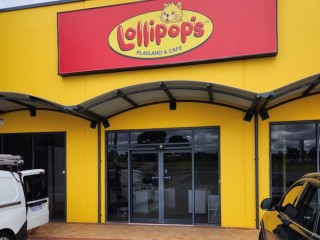
Established Lollipop’s Playland & Café Wanneroo
Private Seller
Wanneroo, WA
Price: $450,000
- Established: Established operation; approximately 7 years remaining on lease
Little Sparrow Melbourne - No Kitchen - Fully Managed - High Profits
Private Seller
Cannington, WA
Price: $495,000 + SAV
- Established: Recently opened; only recently commenced trading
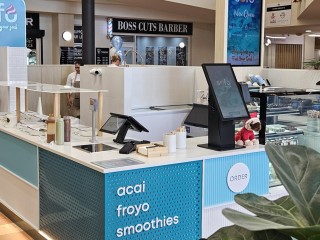
Turnkey Frozen Yoghurt & Smoothie Kiosk | New Fitout, Great Rent & Growth Potential
Private Seller
Perth Region WA
Price: $199,000
- Established: Opened in November 2025
Security Technology Business Partner – State Licence Opportunity
Private Seller
Perth Region WA
Price: $25,000 + SAV
- Turnover: Not disclosed
- Net Profit: Not disclosed
Premium Recovery & Wellness Studio – Perth Metro Area
Private Seller
Perth Region WA
Price: $30,000
- Turnover: $Exceeding $200,000 annually
- Established: Established business
Profitable Biltong & Jerky Business – $306K Sales – $50K Profit – 50% ROI – $99K
Private Seller
Bunbury, WA
Price: $99,000
- Turnover: $306,592 annually
- Net Profit: $50,650 net profit before tax
- Established: Well-established
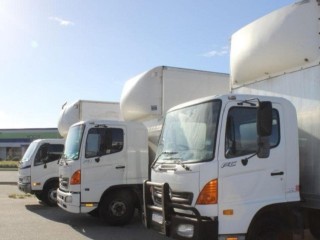
Established and Successful Furniture Removalist Business for Sale
Private Seller
Bunbury & South West Region WA
Price: $440,000
- Turnover: $Over $1,000,000.00 in turnover over the past three financial years
- Established: 14 years
Market Overview
Based on Bsale Market data, Western Australia is a high-value and resource-influenced business market, anchored by its capital city, Perth, and supported by a number of strategically important regional centres.
There are currently 1,844 businesses for sale across Western Australia, representing a combined advertised value of approximately $1.30 billion. The average asking price is $705,700, positioning Western Australia above the national average ($658,623) and among the higher-priced state markets in Australia.
Western Australia’s pricing reflects the state’s exposure to mining, resources, infrastructure, logistics and regional service businesses that often operate across large geographic catchments.
How Many Businesses Are for Sale in Western Australia?
Based on current Bsale Market data, there are 1,844 active business listings across Western Australia.
The Perth region accounts for 1,462 listings, making it the clear centre of business activity in the state. Outside the capital, regional listings are spread across the South West, Wheatbelt, Pilbara, Kimberley, Goldfields, Mid West and Southern regions, offering buyers exposure to both lifestyle-driven and industry-linked markets.
What Is the Average Asking Price for Businesses in Western Australia?
The average asking price for businesses in Western Australia is $705,700, sitting above the national average ($658,623).
Western Australia is priced above New South Wales ($605,147), Victoria ($589,072) and South Australia ($660,742), while remaining j below Queensland ($730,974). This places WA among the upper tier of state business markets, driven largely by higher-value regional enterprises.
Within the state, pricing varies significantly by region. Perth’s average asking price is $672,082, reflecting a broad mix of hospitality, retail, professional services, trade and transport businesses available within the capital city.
At the higher end of the pricing spectrum, regions such as Broome & Kimberley ($1,606,179), Kalgoorlie, Goldfields & Esperance ($1,309,112), Coral Coast & Mid West ($1,303,966) and the Pilbara ($1,095,917) record substantially higher averages. These prices reflect mining-adjacent, infrastructure-linked and large-scale regional service businesses operating across remote and resource-driven markets.
At more accessible price points, regions such as the Wheatbelt ($639,308), Albany & Southern WA ($627,250) and Bunbury & South West ($659,264) offer a greater concentration of owner-operated and community-based businesses.
What Types of Businesses Are Selling in Western Australia?
Based on Bsale Market data, businesses for sale in Western Australia reflect the state’s dual economy of metropolitan services and regional resource-driven industries. Common listings include hospitality venues, accommodation and tourism businesses, construction and trade services, transport and logistics operations, mechanical and industrial services, mining and infrastructure support businesses, retail stores, professional services and regional service enterprises. This mix attracts buyers seeking both scalable operations and specialised regional opportunities.
Where Buyers Are Looking Across Western Australia
Buyer enquiry across Western Australia is concentrated primarily in Perth, where population density, infrastructure and commercial diversity support strong transaction activity.
Regional buyer interest is more selective and typically focused on resource-linked and tourism-driven regions, including the Pilbara, Kimberley, Goldfields, South West and Mid West, where established businesses with contracts, infrastructure exposure or strong local demand attract consistent enquiry.
How to Buy or Sell a Business in Western Australia
Since 2000, Bsale has helped Australians buy and sell businesses across Western Australia and every major city and regional centre nationwide. Buying or selling a business in WA requires an understanding of regional demand drivers, workforce availability, logistics and realistic pricing expectations.
Buyers can compare live opportunities by industry, location and price range, while sellers improve outcomes by aligning their asking price with current market benchmarks and buyer demand. Businesses across Western Australia are commonly sold through licensed business brokers or marketed directly to buyers via the Bsale marketplace.
If you’re looking to buy, start with Bsale’s Buying a Business Guide to understand due diligence, valuations and finance. If you’re ready to sell, explore our Guide to Selling a Business, connect with a licensed business broker, or advertise your business directly on Bsale to reach qualified buyers.
> Register for alerts
> Sell a Business
> Guide to Selling a Business
> Guide to Buying a Business
Helpful Resources for Buying a Business in WA
> 10 Exciting Businesses for Sale in WA Right Now
> Western Australia Holds Firm as Australia’s Second-Highest Priced State for Businesses
Popular Region Searches in Western Australia
- Business For Sale in Perth Region WA
- Business For Sale in Bunbury & South West Region WA
- Business For Sale in Wheatbelt Region WA
- Business For Sale in Coral Coast & Mid West Region WA
- Business For Sale in Kalgoorlie, Goldfields & Esperance Region
- Business For Sale in Pilbara Region WA
- Business For Sale in Broome & Kimberley Region WA
- Business For Sale in Albany & Southern Region WA
Browse Categories in Western Australia
- Takeaway For Sale in Western Australia
- Building and Construction For Sale in Western Australia
- Restaurant For Sale in Western Australia
- General Retail For Sale in Western Australia
- Franchise Business Opportunities For Sale in Western Australia
- Working from Home Businesses For Sale in Western Australia
- Cafe For Sale in Western Australia
- Mobile Services For Sale in Western Australia
Stay up to date with new listings
Frequently Asked Questions
How do I get new business alerts?
To never miss a new opportunity, click "Save" after your search or simply set up your "Buyer Alerts". Our system will email you matching new listings daily at 6 am, giving you a head start on the latest market opportunities.
How much money do I need to buy a business?
To secure a business loan in Australia, cash is king. Most lenders cap their Loan-to-Value Ratio (LVR) at 50–70%, meaning you typically need a 30% to 50% cash deposit upfront.
With the average asking price on Bsale currently sitting at $659,535 (Dec 2025), you should aim for a starting capital budget of $200,000 to $330,000 for a standard acquisition. However, the market is diverse with prices ranging from $20,000 micro-businesses to multi-million dollar enterprises, so it will depend heavily on the business you're buying.
Don't forget to budget for the "hidden" closing costs beyond the purchase price, which require immediate liquid cash. You will typically need to set aside between $1,500 and $8,000 for legal fees depending on complexity, plus funds for due diligence expenses like accountant reviews, government duties, and lease transfer costs. Crucially, you should also retain a working capital buffer large enough to cover wages, rent, the lease bond, and stock for your first 90 days of trade.
Is the price fair? Most small businesses are valued using a "multiple of profit" typically 1.5x to 4x annual net profit. For example, If a business nets $150,000 a year, a fair market price is likely between $225,000 and $600,000. Once you conduct due diligence it will help you to establish what is a fair price for the business.
What should I check before buying a business?
You must conduct thorough due diligence across three key pillars:
- Financials: Verify 3 years of Profit & Loss (P&L) and BAS statements.
- Legal: Review the commercial lease terms and required licenses.
- Operations: Check staff contracts and the condition of equipment.
Always have a qualified accountant verify that the owner's "Discretionary Earnings" (SDE) actually match the bank statements. Poor due diligence is the #1 cause of post-sale failure, so never skip this verification.
How long does it take to buy a business?
On average, most small business purchases take 6 to 14 weeks from the initial enquiry to final settlement, though complex acquisitions involving government licenses or commercial finance can extend beyond six months.
The process typically unfolds in four consecutive stages. It begins with Enquiry & Initial Review (1–3 weeks), where you sign an NDA and assess the Information Memorandum. This moves into Due Diligence (2–4 weeks), a critical period for your accountant and solicitor to investigate tax returns and lease agreements. Once satisfied, you enter Offer & Negotiation (1–2 weeks) to agree on price and terms, before concluding with Finance & Legal Finalisation (2–5 weeks) to secure bank approval and transfer the lease.
How do I sell a business?
To achieve the highest price, ensure your financials are "bank-ready" and your operations are fully documented. You can choose to list directly on Bsale to reach our database of qualified buyers or engage a licensed business broker to manage the valuation and negotiation process for you.
> Sell a Business
> Guide to Selling a Business
> Read Testimonials
Why is Western Australia a great place to buy a business?
Western Australia is one of Australia’s strongest and most opportunity-rich business markets, underpinned by a powerful, export-driven economy and consistent population growth. With more than 2.9 million residents and a high median household income, WA offers a stable customer base across both metropolitan Perth and rapidly expanding regional centres such as Bunbury, Albany, Geraldton, Karratha and Broome.
The state’s economy is one of the most diversified in the country. Mining and resources remain global leaders, but they also drive growth in supporting industries like logistics, trades, engineering, construction and professional services. At the same time, WA’s tourism sector, hospitality venues, food producers, health services and retail operators benefit from strong local spending, international visitors and year-round demand.
Population growth has been consistently above the national average, driven by interstate relocation and skilled migration, creating long-term demand for essential service businesses, home services, childcare, healthcare, and lifestyle-focused ventures. Infrastructure investment in transport, regional development and renewable energy is also boosting commercial activity and attracting buyers looking for future growth.
With high consumer spending, strong wages, economic resilience and one of the healthiest small business environments in Australia, Western Australia remains an excellent place to buy a business whether you're looking for stability, scale or long-term commercial opportunity.
> WA Economic Strengths – WA Government
> WA Demographics - ABS
> Your Guide to Buying a Business in Australia - Bsale
What businesses in Western Australia are buyers most interested in?
Buyer demand in Western Australia is strongest across industries connected to the state’s booming resources sector, essential services and fast-growing population hubs. Businesses that support mining, logistics, trades and construction continue to attract significant interest, as they benefit from stable, long-term contracts and steady demand across both Perth and regional WA.
Hospitality, retail and tourism businesses also perform well, particularly in high-traffic areas such as Fremantle, Subiaco, Perth CBD, Margaret River, Broome and coastal tourist towns. Cafes, lunch bars, takeaway shops, boutique food operators and tourism-driven ventures are among the most frequently searched categories.
Service-based businesses including cleaning, transport, maintenance, automotive, childcare, health and wellness, and home services consistently draw buyers thanks to predictable cashflow and broad local demand.
Professional services, NDIS providers, fitness studios, franchise operations and online businesses are also gaining momentum as WA’s population expands and buyers want flexible, scalable models with established systems.
Overall, buyers in WA are most attracted to well-established businesses with strong financials, essential service demand or a clear link to the state's major economic drivers; mining, logistics, construction, tourism and lifestyle-focused consumer spending.
Which areas of WA are best for owning a small business?
Western Australia offers a wide range of strong small-business locations, from high-demand metropolitan suburbs to fast-growing regional centres. Perth remains the state’s main business hub, with suburbs such as Fremantle, Subiaco, Joondalup, Osborne Park and Victoria Park performing well thanks to dense populations, strong retail trade, tourism activity and stable year-round demand.
Regional WA also offers excellent opportunities, especially in areas supported by mining, agriculture and tourism. Bunbury, Busselton, Geraldton, Albany and the Margaret River region attract buyers seeking lifestyle, affordability and consistent local spending. In the north, centres like Broome, Karratha and Port Hedland benefit from resource-sector activity, transport demand and limited local competition making them attractive for service-based, trades, logistics and essential-service businesses.
Growth corridors around Perth, including Baldivis, Ellenbrook and Byford, continue to expand rapidly, creating opportunities for childcare, health services, retail, hospitality, home services and trades that support new housing and infrastructure.
Overall, WA’s best small-business locations are those with strong population foundations, tourism activity, or links to the mining and logistics sectors offering stable demand, fewer competitors, and long-term potential for buyers.
What Government support is available in WA?
The Western Australian Government provides a strong range of programs, grants and advisory services to support business owners, buyers and operators across the state. Whether you're starting a business in Perth, expanding into regional WA, or purchasing an existing operation, these resources can help with funding, regulation, training and day-to-day support.
The Small Business Development Corporation (SBDC) is WA’s key support agency, offering free advisory sessions, business workshops, templates, dispute resolution and guidance for new owners taking over an existing business. This is one of the most popular resources for small business owners in the state.
The WA Government also delivers assistance through programs focused on digital capability, innovation, exporting, regional economic development and industry-specific initiatives. Regional Development Commissions across WA help businesses expand into areas such as tourism, agriculture, mining services, hospitality and retail.
There are also pathways for skilled migrants and business operators through the Western Australia State Nomination Program, which supports eligible applicants under federal business and skilled visas.
Here are useful government links in Western Australia:
> Buy and operate a business – WA Government
> Business advice and support – SBDC
> Grants and funding – Department of Jobs, Tourism, Science and Innovation
> Migration and State Nomination – Government of Western Australia