




 Search Filters
280 Businesses For Sale in Newcastle & Hunter Valley Region NSW
Results 1-20 of 280
Smokin Joe's Pizza - Sydney Franchise Opportunity Now Open!
AZ Real Estate and Property
Newcastle, NSW
Price: $430,000 + SAV
- Turnover: Not disclosed
- Net Profit: Not disclosed
Black Optix Tint Franchise For Sale - Scalable Window Tint Business - Australia-Wide - Multiple Revenue Streams -...
Johnston Business Sales
Newcastle, NSW
Price: $200,000
- Established: Operating for over 12 years
Thriving takeaway - cafe in busy retail/industrial - homemaker centre
Business Brokers Network Australia
Bennetts Green, NSW
Price: $69,950
- Turnover: Not disclosed
- Net Profit: Not disclosed
Profitable Gourmet Roll Concept - 2 Locations
Private Seller
Kotara, NSW
Price: $120,000
- Turnover: $22,000 per week
- Net Profit: $3,500
- Established: Well established
Hair Salon - Newcastle Region
Private Seller
Newcastle & Hunter Valley Region NSW
Price: $50,000
- Established: Operating in the same location for the past 35 years
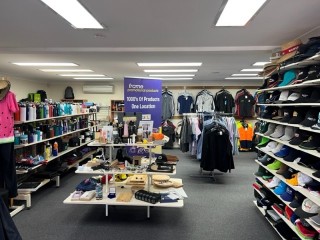
High Revenue Uniform - Workwear & Promotional Products Business in Adamstown NSW
Private Seller
Adamstown, NSW
Price: $345,000 WIWO
- Turnover: $FY2026: $1.50m; FY2025: $1.85m; FY2024: $1.79m; FY2023: $1.68m; FY2022: $1.35m; 5-year average revenue: ~$1.63m (Plus GST)
- Established: Operating since 2001; over 25 years
ATS Test & Tag Belmont NSW & Hunter Revenue up to 250k PA For Sal (Ref: NSWTW01)
Johnston Business Sales
Belmont, NSW
Price: 57500
- Turnover: $Up to $250k PA
- Established: Since 2002
Award Winning Aesthetic Medi Spa Clinic/Beauty Salon | ID: 1370
ABBA Group
East Maitland, NSW
Price: $285,000 +SAV
- Established: Over 35 years
ATS Test & Tag NSW Maitland Hunter Region Revenue up to 230k PA For Sale (Ref: NSWTW01)
Johnston Business Sales
Maitland, NSW
Price: 57500
- Turnover: $Up to $230,000 per annum
- Established: Since 2002
Established Skin & Cosmetic Medicine Clinic
LINK New South Wales
Newcastle & Hunter Valley Region NSW
Price: $1,800,000
- Turnover: Not disclosed
- Net Profit: Not disclosed
37079 - Boutique Holistic Wellness Business
Bonza Business & Franchise Sales
Taylors Beach, NSW
Price: $250,000
- Turnover: Not disclosed
- Net Profit: Not disclosed
Scone Newsagency-A Shopping Experience-$425k + SAV
Business Brokers Network Australia
Scone, NSW
Price: $425,000
- Turnover: $Social Expression: $10,363 per week; YETI: $381,334 p.a.; Magazine sales: $80,566 p.a.; Newspaper sales: $62,344 p.a.
Spa Repairs & Parts Business highly Profitable - Lifestyle Opportunity
Business Brokers Network Australia
Newcastle, NSW
Price: $125,000
- Established: Long-established
1st Year Customer Lead Guarantee, 5-Star Rated Franchise System in Mayfield, NSW
Johnston Business Sales
Mayfield, NSW
Price: $280,000 - $330,000
- Established: Founded in 1993; over 28 years history
16+ Year Wedding Styling Hire Business, Strong Venue Network, Hunter Valley
Business Brokers Network Australia
Newcastle, NSW
Price: $399,000
- Established: Over 16 years of trading; operated by the current husband-and-wife team since 2010
37083 - PROFITABLE WATERFRONT CAFÉ | LOYAL CUSTOMERS + ROOM TO GROW
Bonza Business & Franchise Sales
Warners Bay, NSW
Price: $210,000
- Turnover: Not disclosed
- Net Profit: Not disclosed
Guaranteed Profit (up to $5000 a month) - Chem-Dry Carpet Cleaning $10K+GST Down
Johnston Business Sales
Muswellbrook, NSW
Price: $24,900
- Net Profit: $Up to $5,000 per month guaranteed
- Established: 1986
FITNESS STUDIO / GYM
Bond Business Brokers
Newcastle & Hunter Valley Region NSW
Price: $228,000
- Turnover: $Approximately $11,000 per week
- Established: Established; years of successful trading stated
ESPRESSO BAR - 32+KG COFFEE PER WEEK - 6 DAYS - LOW RENT
GSE Hospitality Brokers
Newcastle, NSW
Price: $169,000 + SAV
- Established: One of Newcastle's most established cafe strips
Boutique Hair Salon for Sale |Established 10+ Years | Low Rent | 4-Day Week | Islington NSW | Asking Price:...
Johnston Business Sales
Newcastle, NSW
Price: $89,000
- Turnover: $Approximately $200,000 annual turnover
- Established: Over 10 years
Market Overview
Based on Bsale Market data, the Newcastle & Hunter Valley region is one of New South Wales’ largest and most diverse regional business markets, underpinned by population growth, major infrastructure investment, mining, agriculture, and strong demand across professional and essential services.
There are currently 337 businesses for sale in the Newcastle & Hunter Valley, representing a combined advertised value of approximately $216.0 million. The average asking price is $640,894, positioning the region slightly above the NSW average ($605,147) but broadly in line with the national average ($658,623).
Nearby regions such as the Central Coast, Mid North Coast, and Sydney report varying price points. Newcastle & Hunter Valley pricing reflects a mix of metro-style businesses in Newcastle and Maitland, alongside higher-value operations linked to mining, agribusiness, logistics, and regional services throughout the Hunter.
How Many Businesses Are for Sale in Newcastle and Hunter Valley?
Based on current Bsale Market data, there are 337 active business listings across the Newcastle & Hunter Valley region.
This makes the region one of the most active non-capital business markets in NSW. Buyers benefit from a broad range of opportunities across multiple industries and price brackets, while sellers gain exposure to local, Sydney-based, and interstate buyers. Listings are spread across major city centres, regional hubs, and key transport corridors throughout the Hunter.
What Is the Average Asking Price for Businesses in Newcastle and Hunter Valley?
The average asking price for businesses in the Newcastle & Hunter Valley is $640,894, sitting above the New South Wales average ($605,147) and close to the national average ($658,623).
Compared with nearby regions, Newcastle & Hunter Valley businesses are typically priced above the Central Coast ($530,749) but below higher-value regional markets such as the Mid North Coast ($753,034) and Wagga Wagga & Riverina ($1,339,784). This reflects the region’s scale, economic diversity, and strong presence of both owner-operated and investment-grade businesses.
What Types of Businesses Are Selling in Newcastle and Hunter Valley?
Based on Bsale Market data, businesses for sale in the Newcastle & Hunter Valley cover a wide range of industries. Common listings include hospitality and food businesses, retail stores, trades and construction services, professional services, health and medical practices, logistics, agribusiness, and mining-related support businesses. This mix appeals to first-time buyers, experienced operators, and investors seeking exposure to a resilient and economically diverse regional market.
Where Buyers Are Looking in Newcastle and Hunter Valley
Buyer enquiry across the region is concentrated around major population and commercial centres. Consistent interest is seen in areas such as Newcastle, Maitland, Cessnock, Singleton, and the Upper Hunter, which benefit from strong population bases, transport links, and proximity to mining, agriculture, and industrial activity. Buyers are often drawn to businesses with established cash flow, repeat customers, and locations aligned with long-term regional growth.
How to Buy or Sell a Business in Newcastle and Hunter Valley
Since 2000, Bsale has helped Australians buy and sell businesses across regional NSW and every major city and regional centre nationwide. Buying or selling a business in the Newcastle & Hunter Valley requires an understanding of local demand drivers, seasonality and realistic pricing expectations.
Buyers can compare live opportunities by industry, location and price range, while sellers improve outcomes by aligning their asking price with current regional benchmarks and buyer demand. Businesses in the Newcastle & Hunter Valley are commonly sold through licensed business brokers or marketed directly to buyers via the Bsale marketplace.
If you’re looking to buy, start with Bsale’s Buying a Business Guide to understand due diligence, valuations and finance. If you’re ready to sell, explore our Guide to Selling a Business, connect with a licensed business broker, or advertise your business directly on Bsale to reach qualified buyers.
> Register for alerts
> Sell a Business
> Guide to Selling a Business
> Guide to Buying a Business
Helpful Resources for Buying a Business in Newcastle
> 9 Hot Businesses for Sale in Newcastle and the Hunter Valley
Popular Searches in Newcastle & Hunter Valley Region NSW
- Business For Sale in Newcastle
- Business For Sale in Newcastle East
- Business For Sale in Maitland
- Business For Sale in Nelson Bay
Browse Categories in Newcastle & Hunter Valley Region NSW
- Beauty Salon For Sale in Newcastle & Hunter Valley Region NSW
- Mobile Services For Sale in Newcastle & Hunter Valley Region NSW
- Cleaning For Sale in Newcastle & Hunter Valley Region NSW
- Building and Construction For Sale in Newcastle & Hunter Valley Region NSW
- Takeaway For Sale in Newcastle & Hunter Valley Region NSW
- Cafe For Sale in Newcastle & Hunter Valley Region NSW
- Franchise Business Opportunities For Sale in Newcastle & Hunter Valley Region NSW
- Restaurant For Sale in Newcastle & Hunter Valley Region NSW
Stay up to date with new listings
Frequently Asked Questions
How do I get new business alerts?
To never miss a new opportunity, click "Save" after your search or simply set up your "Buyer Alerts". Our system will email you matching new listings daily at 6 am, giving you a head start on the latest market opportunities.
How much money do I need to buy a business?
To secure a business loan in Australia, cash is king. Most lenders cap their Loan-to-Value Ratio (LVR) at 50–70%, meaning you typically need a 30% to 50% cash deposit upfront.
With the average asking price on Bsale currently sitting at $659,535 (Dec 2025), you should aim for a starting capital budget of $200,000 to $330,000 for a standard acquisition. However, the market is diverse with prices ranging from $20,000 micro-businesses to multi-million dollar enterprises, so it will depend heavily on the business you're buying.
Don't forget to budget for the "hidden" closing costs beyond the purchase price, which require immediate liquid cash. You will typically need to set aside between $1,500 and $8,000 for legal fees depending on complexity, plus funds for due diligence expenses like accountant reviews, government duties, and lease transfer costs. Crucially, you should also retain a working capital buffer large enough to cover wages, rent, the lease bond, and stock for your first 90 days of trade.
Is the price fair? Most small businesses are valued using a "multiple of profit" typically 1.5x to 4x annual net profit. For example, If a business nets $150,000 a year, a fair market price is likely between $225,000 and $600,000. Once you conduct due diligence it will help you to establish what is a fair price for the business.
What should I check before buying a business?
You must conduct thorough due diligence across three key pillars:
- Financials: Verify 3 years of Profit & Loss (P&L) and BAS statements.
- Legal: Review the commercial lease terms and required licenses.
- Operations: Check staff contracts and the condition of equipment.
Always have a qualified accountant verify that the owner's "Discretionary Earnings" (SDE) actually match the bank statements. Poor due diligence is the #1 cause of post-sale failure, so never skip this verification.
How long does it take to buy a business?
On average, most small business purchases take 6 to 14 weeks from the initial enquiry to final settlement, though complex acquisitions involving government licenses or commercial finance can extend beyond six months.
The process typically unfolds in four consecutive stages. It begins with Enquiry & Initial Review (1–3 weeks), where you sign an NDA and assess the Information Memorandum. This moves into Due Diligence (2–4 weeks), a critical period for your accountant and solicitor to investigate tax returns and lease agreements. Once satisfied, you enter Offer & Negotiation (1–2 weeks) to agree on price and terms, before concluding with Finance & Legal Finalisation (2–5 weeks) to secure bank approval and transfer the lease.
How do I sell a business?
To achieve the highest price, ensure your financials are "bank-ready" and your operations are fully documented. You can choose to list directly on Bsale to reach our database of qualified buyers or engage a licensed business broker to manage the valuation and negotiation process for you.
> Sell a Business
> Guide to Selling a Business
> Read Testimonials
Why is Newcastle a good place to buy a business right now?
Newcastle is one of NSW’s fastest-evolving regional economies, offering buyers a rare mix of coastal lifestyle, infrastructure investment, and genuine commercial scale, facilitated by regional tourism and wineries in the greater Hunter Valley area. The city’s transformation from an industrial centre to a diversified hub for healthcare, education, defence, logistics, and professional services has created sustained demand for local businesses well beyond tourism alone.
There are currently 337 businesses for sale across Newcastle and the Hunter Valley, with an average asking price of $640,894. This positions the region well below Sydney on entry price while still offering access to a large, growing customer base. For many buyers, Newcastle delivers metropolitan-level turnover without the intense competition or operating costs of a capital city.
From a financial perspective, Newcastle offers strong long-term value. Continued investment in the port, transport links, hospitals, and residential development is expanding catchment areas and improving accessibility. For owner-operators, this supports reliable cash flow, lower volatility, and better work-life balance compared with Sydney or Brisbane.
What types of businesses for sale in Newcastle are most popular?
Buyer demand in Newcastle is led by hospitality operations, particularly Cafes, Restaurants, and Takeaway venues servicing both locals and visitors. In addition, Manufacturing, Gyms, Construction, and healthcare businesses are also popular, supported by Newcastle’s expanding health precincts and growing family population. Across the Hunter Valley, tourism-driven businesses such as accommodation, cellar doors, and food venues continue to attract lifestyle-focused buyers.
Which Newcastle and Hunter Valley areas are best for buying a business?
Buyer activity is strongest in Newcastle CBD, Nelson Bay, Hamilton, and Merewether, where hospitality, retail, and professional services benefit from population density and strong foot traffic. Charlestown and Kotara remain key hubs for medical, retail, and service-based businesses due to major shopping centres and transport links. In the wider Hunter region, Maitland is popular for trades, childcare, and essential services linked to rapid housing growth, while Cessnock and Pokolbin attract buyers targeting tourism, accommodation, and wine-related businesses. These areas offer lower entry costs with strong long-term demand.
Are there specific legal requirements to buy in Newcastle?
Yes. To protect your investment in NSW, buyers must ensure all financial and operational disclosures comply with Australian Consumer Law, as NSW does not have a Section 52 Statement equivalent. Buyers should carefully review financial statements, asset lists, employee entitlements, and lease terms before signing. For liquor-licensed businesses, approval is required from NSW Liquor & Gaming, and licences do not automatically transfer. Food businesses must be registered with the relevant local council, and buyers should confirm there are no outstanding health or compliance notices attached to the premises.
These laws are complex, so always consult a qualified NSW commercial solicitor before signing any contracts.
For operational assistance, buyers can access guidance through the Service NSW 'Business Conceirge' program, City of Newcastle, and local council business services. The NSW Small Business Commissioner also provides free advice and mediation for retail and commercial lease dispute, which is particularly valuable in Newcastle’s increasingly competitive commercial property market.