 1
1
 1
1
 10
10
 4
4
 1
1
 1
1
 8
8





 Search Filters
1,788 Businesses For Sale in Brisbane Region QLD
Results 1-20 of 1,788
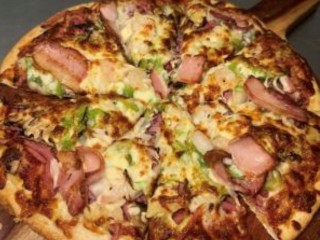
PIZZA & PASTA BUSINESS
Private Seller
Victoria Point, QLD
Price: $395,000 WIWO
- Turnover: $800,000 approximately average annual turnover over the past 6 years
- Net Profit: $140,000+ True Owner-Operator Value
- Established: Approaching 20 years of continuous trading
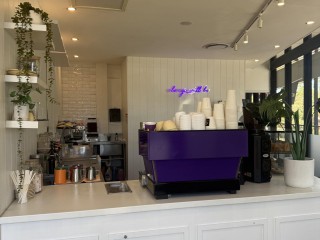
Immaculate Fully Fitted Cafe| Trade From Day One
Private Seller
Forest Lake, QLD
Price:
- Turnover: Not disclosed
- Net Profit: Not disclosed
Profitable & Flexible. Established e-commerce & wholesale homewares maker brand. Timeless Designs.
Private Seller
Brisbane Region QLD
Price: $50,000
- Turnover: $2026 product sales $50,000; 2021 product sales $240,000
- Net Profit: $2026 PEBITDA net profit $30,000; 2021 PEBITDA net profit $135,000
- Established: In operation for over 10 years; established 2015
New Franchise Opportunity in Yarrabilba
Private Seller
Yarrabilba, QLD
Price: $400,000 - $500,000
- Established: JAX Tyres & Auto has been operating for over 75 years
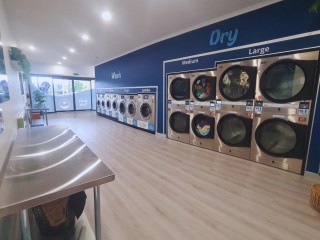
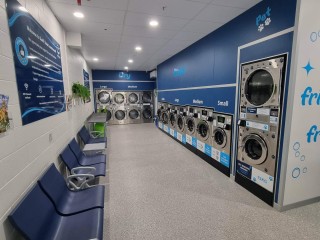
ALBANY CREEK LAUNDROMAT – $140K FY26 SALES
Private Seller
Albany Creek, QLD
Price: $425,000
- Turnover: $140,219 FY2025/26 accountant-prepared laundromat sales
- Net Profit: $58,147 FY2025/26 normalised operational profit
- Established: Commenced operating in 2024
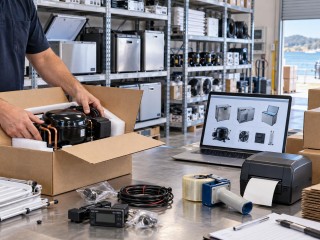
Profitable Marine, Caravan & RV Refrigeration | $272K Earnings, National eCommerce + Wholesale
Private Seller
Brisbane Region QLD
Price: $699,000
- Turnover: $1,210,943 revenue (FY2026, cash basis)
- Net Profit: $272,246 adjusted owner earnings (FY2026, cash basis)
- Established: More than 14 years trading
4-BEDROOM RESIDENCE + HOSPITALITY BUSINESS | Annerley | $80000
Private Seller
Annerley, QLD
Price: $80,000 WIWO
- Turnover: Not disclosed
- Net Profit: Not disclosed
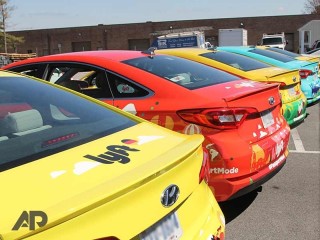
High Gross Profit and Ultra-Lucrative Vehicle Wrap and Sign Product Business #445
Mercury 5 Sky
Brisbane CBD, QLD
Price: $375,000 WIWO
- Established: 23 years
ASHGROVE 24/7 LAUNDROMAT – $152K FY26 REVENUE
Private Seller
Ashgrove, QLD
Price: $525,000
- Turnover: $151,516 FY2025/26 accountant-prepared laundromat sales
- Net Profit: $80,386 FY2025/26 normalised operational profit
- Established: Commenced operating in 2025
Luxury Furniture E Commerce Business - Full Time or Part Time - ONlY $17,750
Private Seller
Karana Downs, QLD
Price: $17,750
- Established: Established premium furniture business
Cafe for Sale Brisbane - Prime Western Suburb Location
Private Seller
Brisbane Region QLD
Price: $145,000 WIWO
- Turnover: Not disclosed
- Net Profit: Not disclosed
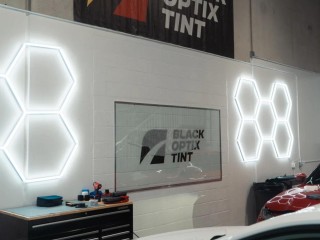
Black Optix Tint Franchise For Sale - Scalable Window Tint Business - Australia-Wide - Multiple Revenue Streams -...
Johnston Business Sales
Brisbane CBD, QLD
Price: $200,000
- Turnover: Not disclosed
- Net Profit: Not disclosed
PREMIUM KOREAN BBQ RESTAURANT – WEST BRISBANE
LUX Business Sales and Advisory
Queensland
Price: $30,000
- Turnover: Not disclosed
- Net Profit: Not disclosed
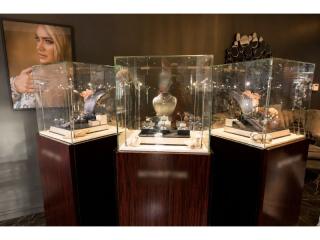
Fine Diamond and Gemstone Jewellery Retailer – Brisbane, QLD
Coast to Coast Business Sales
Morningside, QLD
Price: $500k plus stock
- Turnover: $700K
- Established: Launched in 2012
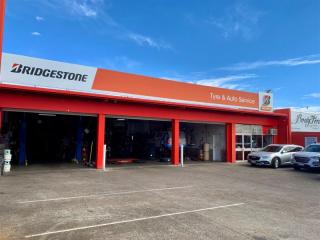
Established Bridgestone Select Franchise for Sale
The Finn Group
Brisbane CBD, QLD
Price: $485,000 + SAV
- Turnover: $circa $2M
- Established: Established over 30 years ago; purchased by current owners in 2003
37195 - Property Maintenance Business with Loyal Client Base
Bonza Business & Franchise Sales
Thornlands, QLD
Price: $100,000
- Turnover: Not disclosed
- Net Profit: Not disclosed
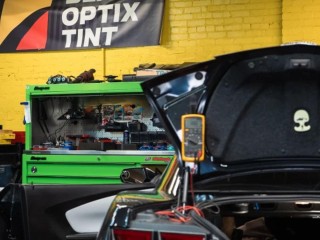
Black Optix Tint Franchise For Sale - Scalable Window Tint Business - Australia-Wide - Multiple Revenue Streams -...
Johnston Business Sales
Hillcrest, QLD
Price: $200,000
- Turnover: Not disclosed
- Net Profit: Not disclosed
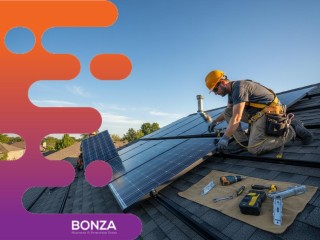
37200 Systemised Solar Installation Business Built to Scale
Bonza Business & Franchise Sales
Brisbane CBD, QLD
Price: $95,000
- Turnover: Not disclosed
- Net Profit: Not disclosed
Unique Leisure, Activity and Corporate Event Business #387
Mercury 5 Sky
Brisbane CBD, QLD
Price: $1,598,000 + SAV
- Turnover: $Multi-million-dollar top-line sales
- Established: Nearly a decade
Rewarding Soul Origin Franchise For Sale - Popular Takeaway Food Business - Prime Shopping Centre Location - High...
Johnston Business Sales
Brisbane CBD, QLD
Price: P.O.A
- Turnover: $Over $1.1 million annually
- Net Profit: $Over $160k owner-operation profit
Market Overview
Based on Bsale Market data, the Brisbane region is one of Australia’s most active capital city business markets, supported by strong population growth, interstate migration and sustained buyer demand.
There are currently 1,833 businesses for sale in Brisbane, representing a combined advertised value of approximately $1.27 billion. The average asking price is $696,293, providing a clear benchmark for buyers assessing current market entry points across South East Queensland.
Brisbane’s average asking price sits above the national average ($658,623) and below the Queensland state average ($730,974), reflecting a mix of growing mid-sized enterprises alongside established hospitality, trade and service-based businesses. While listings and prices fluctuate, Brisbane continues to rank as one of Australia’s most competitive and fast-moving business markets.
> Bsale Market Insights
How Many Businesses Are for Sale in Brisbane?
Based on current Bsale Market data, there are 1,808 active business listings across the Brisbane region.
This positions Brisbane as one of Australia’s largest capital city business markets by volume, with listings spanning the CBD and inner-city precincts through to the north and south growth corridors, bayside suburbs and surrounding commercial hubs. Buyers benefit from a broad range of locations, industries and price points across the region.
What Is the Average Asking Price for Businesses in Brisbane?
The average asking price for businesses in the Brisbane region is $689,727, ranking Brisbane among the higher-priced capital city markets by average value.
For comparison, the national average asking price currently sits at $658,623, while Brisbane’s average is higher than Sydney ($524,934) and comparable to other major capital city markets such as Perth. Brisbane’s pricing also sits below the Queensland state average ($730,974), reflecting a strong mix of growth-oriented mid-sized businesses alongside established hospitality, construction and professional service operations. This pricing profile highlights Brisbane’s appeal to buyers seeking scalable businesses with long-term growth potential.
What Types of Businesses Are Selling in Brisbane?
Based on Bsale Market data, Brisbane offers a diverse mix of businesses for sale, driven by population growth and a strong local economy.
Common listings include cafes, restaurants and takeaway food businesses, retail stores, construction and trade services, transport and logistics operations, professional and financial services, health and fitness businesses, and online or service-based enterprises. This industry spread supports consistent buyer demand across multiple sectors and investment levels.
Where Buyers Are Looking in Brisbane
Buyer enquiry across the Brisbane region remains broad, with strong interest across both inner-city and suburban commercial areas.
Consistent demand is seen in Brisbane CBD, Fortitude Valley and South Brisbane, while northern and southern growth corridors such as Chermside, North Lakes, Logan and Springfield continue to attract buyers seeking expansion opportunities and more affordable entry points. Bayside areas including Redcliffe and Wynnum also remain popular, particularly for hospitality and service-based businesses, supporting steady transaction activity across the region.
How to Buy or Sell a Business in Brisbane
Since 2000, Bsale has helped Australians buy and sell businesses across Brisbane and every major city and regional centre nationwide. Buying or selling a business in Brisbane requires a clear understanding of pricing expectations, industry demand and buyer behaviour across different locations and sectors.
Buyers can compare live opportunities by industry, location and price range, while sellers improve outcomes by aligning their asking price with current market benchmarks and buyer demand. Businesses are commonly sold through licensed business brokers or marketed directly to buyers via the Bsale marketplace.
If you’re looking to buy, start with Bsale’s Buying a Business Guide to understand due diligence, valuations and finance. If you’re ready to sell, explore our Guide to Selling a Business, connect with a licensed business broker, or advertise your business directly on Bsale to reach qualified buyers.
> Sell a Business
> Register for alerts
> Selling a Business in Australia Guide
> Buying a Business in Australia Guide
Helpful Resources for Buying a Business in Brisbane
> Top 6 Suburbs to Buy a Business in Brisbane
> Leading 8 Business Brokers to Work With in Brisbane
Popular Searches in Brisbane Region QLD
- Business For Sale in Brisbane CBD
- Business For Sale in Fortitude Valley
- Business For Sale in Cleveland
- Business For Sale in Ipswich
- Business For Sale in Coomera
- Business For Sale in Forest Lake
- Business For Sale in Alberton
- Business For Sale in Yatala
Browse Categories in Brisbane Region QLD
- Mobile Services For Sale in Brisbane Region QLD
- Educational For Sale in Brisbane Region QLD
- Engineering Manufacturer For Sale in Brisbane Region QLD
- Cafe For Sale in Brisbane Region QLD
- Restaurant For Sale in Brisbane Region QLD
- Franchise Business Opportunities For Sale in Brisbane Region QLD
- Training For Sale in Brisbane Region QLD
- Building and Construction For Sale in Brisbane Region QLD
Stay up to date with new listings
Frequently Asked Questions
How do I get new business alerts?
To never miss a new opportunity, click "Save" after your search or simply set up your "Buyer Alerts". Our system will email you matching new listings daily at 6 am, giving you a head start on the latest market opportunities.
How much money do I need to buy a business?
To secure a business loan in Australia, cash is king. Most lenders cap their Loan-to-Value Ratio (LVR) at 50–70%, meaning you typically need a 30% to 50% cash deposit upfront.
With the average asking price on Bsale currently sitting at $659,535 (Dec 2025), you should aim for a starting capital budget of $200,000 to $330,000 for a standard acquisition. However, the market is diverse with prices ranging from $20,000 micro-businesses to multi-million dollar enterprises, so it will depend heavily on the business you're buying.
Don't forget to budget for the "hidden" closing costs beyond the purchase price, which require immediate liquid cash. You will typically need to set aside between $1,500 and $8,000 for legal fees depending on complexity, plus funds for due diligence expenses like accountant reviews, government duties, and lease transfer costs. Crucially, you should also retain a working capital buffer large enough to cover wages, rent, the lease bond, and stock for your first 90 days of trade.
Is the price fair? Most small businesses are valued using a "multiple of profit" typically 1.5x to 4x annual net profit. For example, If a business nets $150,000 a year, a fair market price is likely between $225,000 and $600,000. Once you conduct due diligence it will help you to establish what is a fair price for the business.
What should I check before buying a business?
You must conduct thorough due diligence across three key pillars:
- Financials: Verify 3 years of Profit & Loss (P&L) and BAS statements.
- Legal: Review the commercial lease terms and required licenses.
- Operations: Check staff contracts and the condition of equipment.
Always have a qualified accountant verify that the owner's "Discretionary Earnings" (SDE) actually match the bank statements. Poor due diligence is the #1 cause of post-sale failure, so never skip this verification.
How long does it take to buy a business?
On average, most small business purchases take 6 to 14 weeks from the initial enquiry to final settlement, though complex acquisitions involving government licenses or commercial finance can extend beyond six months.
The process typically unfolds in four consecutive stages. It begins with Enquiry & Initial Review (1–3 weeks), where you sign an NDA and assess the Information Memorandum. This moves into Due Diligence (2–4 weeks), a critical period for your accountant and solicitor to investigate tax returns and lease agreements. Once satisfied, you enter Offer & Negotiation (1–2 weeks) to agree on price and terms, before concluding with Finance & Legal Finalisation (2–5 weeks) to secure bank approval and transfer the lease.
How do I sell a business?
To achieve the highest price, ensure your financials are "bank-ready" and your operations are fully documented. You can choose to list directly on Bsale to reach our database of qualified buyers or engage a licensed business broker to manage the valuation and negotiation process for you.
> Sell a Business
> Guide to Selling a Business
> Read Testimonials
Why is Brisbane a good place to buy a business right now?
Brisbane is offering a strong buying environment, supported by sustained population growth, major infrastructure investment, and long-term economic confidence ahead of the 2032 Olympic Games. Demand for local services continues to increase as migration into South East Queensland accelerates.
The market is highly active, with 1,808 businesses currently for sale and an average asking price of $689,727. This depth provides buyers with broad choice across industries while giving sellers access to a large, engaged buyer pool.
From a financial perspective, Brisbane offers a balanced entry point compared to Sydney and Melbourne, with competitive operating costs and improving transport connectivity supporting long-term business performance.
> Guide to Buying a Business
What types of businesses for sale in Brisbane are most popular?
Buyer demand in Brisbane is led by Hospitality and Food, particularly Cafes, Restaurants, and takeaway businesses. Construction, Trades, and Property Services remain highly sought after, reflecting ongoing residential and infrastructure development. There is also consistent demand for Healthcare, Fitness, and Childcare businesses, alongside growing interest in Logistics and Transport, supported by Brisbane’s role as a major distribution hub.
Which Brisbane suburbs are best for buying a business?
Buyer demand is strong across Brisbane’s inner‑city and suburban regions. The Brisbane CBD, Fortitude Valley, and South Brisbane remain top locations for hospitality, retail, and professional services due to high foot traffic and commercial density. Areas such as Chermside, North Lakes, and Mount Gravatt are popular for trades, logistics, and essential services, supported by expanding residential communities. Meanwhile, coastal‑connected suburbs like Wynnum and Redcliffe attract lifestyle‑focused buyers seeking hospitality and tourism‑aligned opportunities.
Are there specific legal requirements to buy in Brisbane?
Yes. Buyers in Queensland must ensure all required disclosures are provided prior to purchase, noting that Queensland does not use a Section 52 Statement. Liquor licences do not automatically transfer and require approval from the Office of Liquor and Gaming Regulation. Food businesses should also be checked with the relevant local council for health approvals and compliance history.
These laws are complex, so always consult a qualified commercial solicitor before signing any contracts.
For operational support, buyers can access resources through Business Queensland, while the Queensland Small Business Commissioner offers free mediation services for retail and commercial lease disputes.