




 Search Filters
58 Businesses For Sale in Darwin Region NT
Results 1-20 of 58
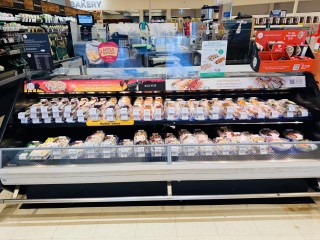
Sushi Izu Franchise for Sale | No Rent | Woolworths Bakewell | $130,000 + SAVE
Private Seller
Bakewell, NT
Price: $130,000 + SAV
- Turnover: $Approximately $566,000 annually; approximately $10,900 per week
- Net Profit: $Approximately $2,500–$3,200 per week owner-operator earnings, including owner's working income
- Established: Operating since 2016
Established Catering Business For Sale - Darwin's Premier Caterer for 10 years running Commercial kitchen -...
Johnston Business Sales
Darwin CBD, NT
Price: $300,000
- Established: 10 years
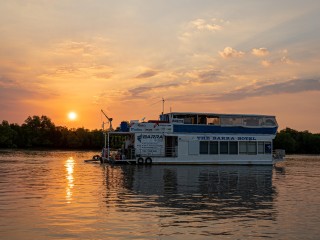
Fishing Charter and Live Aboard Mothership
Private Seller
Woolner, NT
Price: $449,000
- Established: Mothership situated at the location for over 15 years
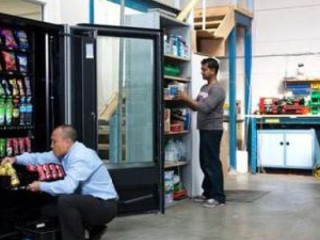
Interactive Vending Machines - Massive Return-on-Investment - Now Serving Healthy-Options plus Major Brands like...
Johnston Business Sales
Darwin CBD, NT
Price: From $50,000
- Turnover: Not disclosed
- Net Profit: Not disclosed
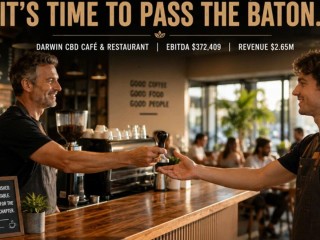
Established, profitable hospitality business generating $2.65 million in annual revenue and EBITDA of $372,409....
Johnston Business Sales
Darwin CBD, NT
Price: $950k$1.05m Offers...
- Turnover: $2.65 million annually
- Net Profit: $372,409 EBITDA
- Established: More than 12 years
Established Turnkey Boutique Hair Salon in Prime Darwin Location
Private Seller
Northern Territory
Price:
- Turnover: Not disclosed
- Net Profit: Not disclosed
Premier Signarama Franchise Opportunity | Thriving B2B Signage Market
Johnston Business Sales
Darwin CBD, NT
Price: $230,000-250,000
- Turnover: Not disclosed
- Net Profit: Not disclosed
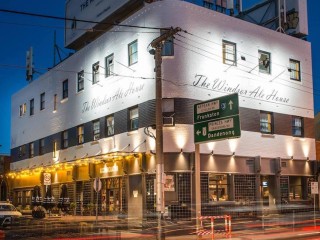
THE WINDSOR ALEHOUSE
Boston Brokers
Darwin CBD, NT
Price: FOR SALE - Contact Agent
- Turnover: Not disclosed
- Net Profit: Not disclosed
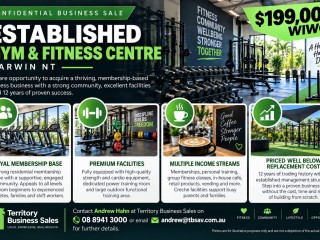
ESTABLISHED DARWIN GYM & FITNESS CENTRE
Business Brokers Network Australia
Darwin CBD, NT
Price: $199,000
- Turnover: Not disclosed
- Net Profit: Not disclosed
Highly profitable ($500k) NT safety training RTO. 2032 Registered (REF: 1598)
Infinity Business Brokers
Darwin CBD, NT
Price: $1,250,000
- Turnover: $Approximately $700,000 to $950,000 revenue over five years
- Net Profit: $Approximately $500,000 EBITDA
- Established: Established in 2008; almost 18 years of trading history
Award-Winning Cocktail Lounge & Catering Business For Sale - Darwin City - Prime CBD Location - Annual Turnover...
Johnston Business Sales
Darwin CBD, NT
Price: $300,000 + Stock
- Turnover: Not disclosed
- Net Profit: Not disclosed
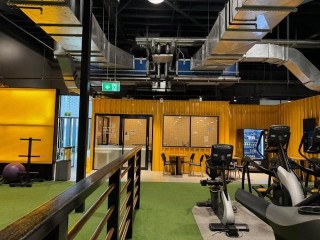
Gym for Sale – Fully Equipped & Ready to Operate | Palmerston, Darwin
Private Seller
Darwin CBD, NT
Price: $50,000
- Turnover: Not disclosed
- Net Profit: Not disclosed
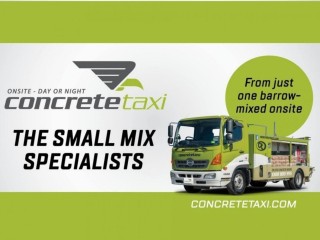
Concrete Taxi Franchise - Darwin! Mobile Truck Opportunity! Potential $100 - 200k EBITDA!
Business Brokers Network Australia
Darwin Region NT
Price: $290,000
- Turnover: Not disclosed
- Net Profit: Not disclosed

Chemical Free Pest Control Manufacturer & Retailer
The Finn Group
Darwin CBD, NT
Price: $650,000
- Turnover: Not disclosed
- Net Profit: Not disclosed

ONE TONNE of COFFEE A WEEK. 15 STORES. ONE EXCEPTIONAL ACQUISITION.
Boston Brokers
Darwin CBD, NT
Price: FOR SALE - Contact Agent
- Turnover: Not disclosed
- Net Profit: Not disclosed
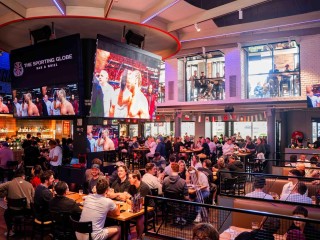
The Sporting Globe Bar & Grill – Chermside, Queensland
Boston Brokers
Darwin CBD, NT
Price: FOR SALE - Contact Agent
- Turnover: Not disclosed
- Net Profit: Not disclosed

Premier Signarama Franchise Opportunity | Thriving B2B Signage Market
Johnston Business Sales
Darwin CBD, NT
Price: $230,000-250,000
- Turnover: Not disclosed
- Net Profit: Not disclosed
- Established: Over 35 years
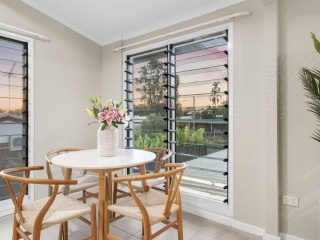
Darwin Glass & Aluminium Fabrication - 25 Years of Trade
Business Brokers Network Australia
Darwin CBD, NT
Price: $330,000
- Turnover: Not disclosed
- Net Profit: Not disclosed
- Established: Over 25 years
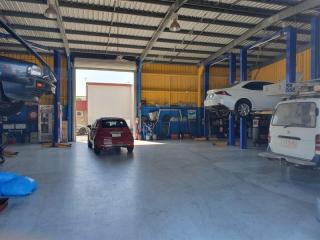
Market Leading Automotive Repair Business - Darwin NT
Territory Business Sales
Winnellie, NT
Price: $379,000
- Turnover: Not disclosed
- Net Profit: Not disclosed
- Established: 30+ years trading (21+ years at current location)
Market Overview
Based on Bsale Market data, the Darwin region is a small but distinctive capital city business market, offering opportunities shaped by government services, defence activity, logistics and tourism-driven demand.
There are currently 73 businesses for sale in Darwin, representing a combined advertised value of approximately $33.4 million. The average asking price is $457,723 providing a clear benchmark for buyers assessing entry points in the Northern Territory’s capital.
Darwin’s average asking price sits below the national average ($658,623) and below higher-priced capital city markets such as Brisbane, Perth and Adelaide, while remaining comparable to Melbourne. This reflects the market’s smaller scale, lower population base and strong representation of owner-operated and service-based businesses. While listings fluctuate, Darwin remains an attractive option for buyers seeking less competition and niche market opportunities.
> Bsale Market Insights
How Many Businesses Are for Sale in Darwin?
Based on current Bsale Market data, there are 73 active business listings across the Darwin region.
While significantly smaller than Australia’s eastern capitals, Darwin operates as a tight, highly localised capital city market, where opportunities are often specialised and competition between buyers can be lower. Listings are concentrated across central Darwin and key commercial precincts servicing the wider Northern Territory economy.
What Is the Average Asking Price for Businesses in Darwin?
The average asking price for businesses in the Darwin region is $469,512, positioning Darwin among the more affordable capital city markets by average value.
For comparison, the national average asking price currently sits at $658,623, while Darwin’s average is lower than Brisbane ($689,727), Perth ($672,082) and Adelaide ($667,502), and broadly comparable to Melbourne ($558,863). This pricing reflects Darwin’s concentration of owner-operated hospitality, tourism, trade and service businesses, many of which require lower upfront capital compared with larger metropolitan markets.
What Types of Businesses Are Selling in Darwin?
Based on Bsale Market data, Darwin’s business market is characterised by a strong mix of locally focused and industry-specific operations. Common listings include cafes, restaurants and takeaway food businesses, tourism and accommodation-related businesses, transport and logistics operations, construction and trade services, professional services, and defence or government-adjacent support businesses. This mix attracts buyers seeking hands-on operations and exposure to Northern Australia’s unique economic drivers.
Where Buyers Are Looking in Darwin
Buyer enquiry across the Darwin region is concentrated around key commercial and population centres. Consistent interest is seen in Darwin CBD, along with surrounding commercial areas such as Winnellie and Berrimah, which support industrial and logistics-focused businesses. Palmerston continues to attract buyers seeking growth and affordability, while Casuarina and Nightcliff remain popular for hospitality and service-based businesses linked to residential and lifestyle demand. This concentration supports targeted transaction activity across the region.
How to Buy or Sell a Business in Darwin
Since 2000, Bsale has helped Australians buy and sell businesses across Darwin and every major city and regional centre nationwide. Buying or selling a business in Darwin requires an understanding of local demand drivers, pricing expectations and the Territory’s unique operating environment.
Buyers can compare live opportunities by industry, location and price range, while sellers improve outcomes by aligning their asking price with current market benchmarks and buyer demand. Businesses in Darwin are commonly sold through licensed business brokers or marketed directly to buyers via the Bsale marketplace.
If you’re looking to buy, start with Bsale’s Buying a Business Guide to understand due diligence, valuations and finance. If you’re ready to sell, explore our Guide to Selling a Business, connect with a licensed business broker, or advertise your business directly on Bsale to reach qualified buyers.
> Register for alerts
> Sell a Business
> Guide to Selling a Business
> Guide to Buying a Business
Helpful Resources for Buying a Business in Darwin
> 7 Stand Out Businesses for Sale in Darwin
Popular Searches in Darwin Region NT
Browse Categories in Darwin Region NT
Stay up to date with new listings
Frequently Asked Questions
How do I get new business alerts?
To never miss a new opportunity, click "Save" after your search or simply set up your "Buyer Alerts". Our system will email you matching new listings daily at 6 am, giving you a head start on the latest market opportunities.
How much money do I need to buy a business?
To secure a business loan in Australia, cash is king. Most lenders cap their Loan-to-Value Ratio (LVR) at 50–70%, meaning you typically need a 30% to 50% cash deposit upfront.
With the average asking price on Bsale currently sitting at $659,535 (Dec 2025), you should aim for a starting capital budget of $200,000 to $330,000 for a standard acquisition. However, the market is diverse with prices ranging from $20,000 micro-businesses to multi-million dollar enterprises, so it will depend heavily on the business you're buying.
Don't forget to budget for the "hidden" closing costs beyond the purchase price, which require immediate liquid cash. You will typically need to set aside between $1,500 and $8,000 for legal fees depending on complexity, plus funds for due diligence expenses like accountant reviews, government duties, and lease transfer costs. Crucially, you should also retain a working capital buffer large enough to cover wages, rent, the lease bond, and stock for your first 90 days of trade.
Is the price fair? Most small businesses are valued using a "multiple of profit" typically 1.5x to 4x annual net profit. For example, If a business nets $150,000 a year, a fair market price is likely between $225,000 and $600,000. Once you conduct due diligence it will help you to establish what is a fair price for the business.
What should I check before buying a business?
You must conduct thorough due diligence across three key pillars:
- Financials: Verify 3 years of Profit & Loss (P&L) and BAS statements.
- Legal: Review the commercial lease terms and required licenses.
- Operations: Check staff contracts and the condition of equipment.
Always have a qualified accountant verify that the owner's "Discretionary Earnings" (SDE) actually match the bank statements. Poor due diligence is the #1 cause of post-sale failure, so never skip this verification.
How long does it take to buy a business?
On average, most small business purchases take 6 to 14 weeks from the initial enquiry to final settlement, though complex acquisitions involving government licenses or commercial finance can extend beyond six months.
The process typically unfolds in four consecutive stages. It begins with Enquiry & Initial Review (1–3 weeks), where you sign an NDA and assess the Information Memorandum. This moves into Due Diligence (2–4 weeks), a critical period for your accountant and solicitor to investigate tax returns and lease agreements. Once satisfied, you enter Offer & Negotiation (1–2 weeks) to agree on price and terms, before concluding with Finance & Legal Finalisation (2–5 weeks) to secure bank approval and transfer the lease.
How do I sell a business?
To achieve the highest price, ensure your financials are "bank-ready" and your operations are fully documented. You can choose to list directly on Bsale to reach our database of qualified buyers or engage a licensed business broker to manage the valuation and negotiation process for you.
> Sell a Business
> Guide to Selling a Business
> Read Testimonials
Why is Darwin a good place to buy a business right now?
Darwin presents a unique opportunity for buyers seeking strong yields in a smaller, supply-constrained market. As the gateway to Northern Australia and a key hub for defence, resources, logistics, and government services, Darwin benefits from consistent economic activity that is less dependent on population scale alone. Demand for essential services remains steady, supported by defence investment, infrastructure spending, and Northern Australia development initiatives.
The market is tightly held, with 76 businesses currently listed for sale and an average asking price of $557,466. This limited supply gives quality businesses stronger pricing power, while still offering buyers a lower entry point than many eastern capital cities.
For owner-operators, Darwin’s smaller market size can translate into less competition, stronger local loyalty, and faster pathways to profitability compared to more saturated metro markets. Darwin's blend of essential services and hospitality in a high demand market offers a unique opportunity for first-time buyers or those looking to expand extablished operations to the regional capital city.
> Guide to Buying a Business
What types of businesses for sale in Darwin are most popular?
Darwin’s business market is dominated by essential services and lifestyle-driven hospitality. Cafes, Takeaway Food, and casual dining perform well due to a strong reliance on local trade and tourism during peak seasons. Trade Services, Construction, and Transport businesses are consistently in demand, supported by defence projects, civil works, and ongoing infrastructure investment. Cleaning, security, and facility management businesses are also popular, particularly those with government or long-term commercial contracts. Buyers are typically drawn to businesses with stable cash flow rather than high-growth but high-risk models.
Which Darwin suburbs are best for buying a business?
Buyer demand is strongest in Darwin CBD for hospitality, accommodation, and tourism-related businesses, benefiting from office workers, visitors, and cruise activity. Parap and Nightcliff attract interest for cafés, food businesses, and lifestyle services aligned with local residents. Palmerston is a key growth area for trades, automotive, childcare, and service-based businesses, driven by population growth and more affordable commercial premises. Industrial and logistics businesses are often sought in Winnellie and Berrimah, which remain critical commercial zones for the region.
Are there specific legal requirements to buy in Darwin?
Yes. To protect your investment in the Northern Territory, buyers must ensure all financial and operational disclosures are accurate and compliant with Australian Consumer Law. Buyers should confirm that financials, asset registers, employee details, and lease terms are provided and independently verified before signing. For liquor-licensed businesses, approval is required from NT Liquor Licensing, especially as licences do not automatically transfer. Food businesses must also be properly registered with the NT Government, and buyers should confirm there are no outstanding health or compliance notices attached to the premises.
These laws are complex, so interested buyers should always consult a qualified NT commercial solicitor before signing any contracts.
For operational assistance, new owners can access support through Business NT and NT Consumer Affairs, which provide guidance on licensing, grants, and business operations, which is particularly valuable when navigating commercial leases and government-related contracts in the Territory.