 8
8
 2
2
 10
10
 5
5





 Search Filters
369 Businesses For Sale in Tasmania
Results 1-20 of 369
Long-established family-run restaurant in North Hobart
The Finn Group
Hobart, TAS
Price: $90,000
- Turnover: Not disclosed
- Net Profit: Not disclosed
- Established: Decades of continuous trading history

A Hobart Icon with a 45+ Year Trading History - Ware Bros. Cutlery The Knife Shop
CRE Brokers
Hobart, TAS
Price: Leasehold $275,000
- Turnover: Not disclosed
- Net Profit: Not disclosed
- Established: Since 1979 (45+ years)

SUPERSAVERS STORE - ESTABLISHED VIETNAMESE AND ASIAN SUPERMARKET HOBART – TASMANIA
Private Seller
Moonah, TAS
Price: $195,000 + SAV
- Turnover: Not disclosed
- Net Profit: Not disclosed
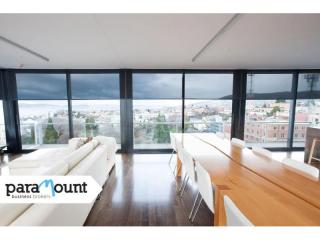
Curtain and Blind Retailer in Hobart, Trading Since 1998! (Our Ref: T548)
Paramount Business Brokers
Hobart, TAS
Price: Price on Application
- Turnover: Not disclosed
- Net Profit: Not disclosed
- Established: Trading since 1998 (28 years)


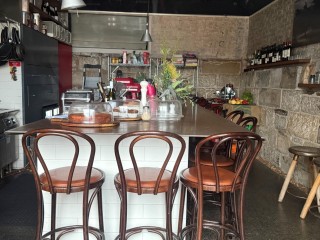
A Highly Successful Licenced CBD Cafe & Bar
Salamanca Realty
Hobart, TAS
Price: Expressions of Interest
- Turnover: Not disclosed
- Net Profit: Not disclosed
- Established: Over 5 years (one ownership)
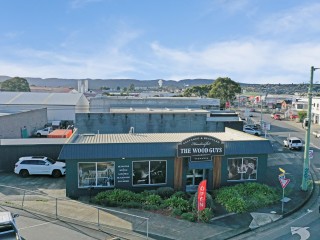
Reduced price- URGENT SALE! The Wood Guys - Tasmania's Premier Timber Retailer
Private Seller
Derwent Park, TAS
Price: $250,000 + SAV
- Turnover: Not disclosed
- Net Profit: Not disclosed
- Established: 2005
Own the Graze Craze Master Rights | Australia's Next Big Food Franchise
Johnston Business Sales
Hobart, TAS
Price: $252,000-$383,000
- Turnover: Not disclosed
- Net Profit: Not disclosed
Established Boutique Salon with Strong Brand Presence - Hobart
CRE Brokers
Tasmania
Price: $250,000 - SAV
- Turnover: Not disclosed
- Net Profit: Not disclosed
Established Pest Control Business - Work, Freedom and Income in Tassie
Private Seller
Orford, TAS
Price: $95,000 + SAV
- Turnover: $100k per annum
- Net Profit: Not disclosed
- Established: 2014
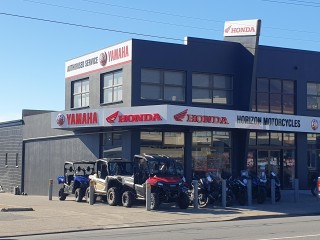
Profitable Motorcycle Dealership
Private Seller
Hobart Region TAS
Price:
- Turnover: $5M+
- Net Profit: Not disclosed
- Established: 40+ years
Well-Established Seafood Dine-In & Takeaway Business For Sale - Prime Burnie Location, TAS - Turnover Over $1...
Johnston Business Sales
Upper Burnie, TAS
Price: 248,050
- Turnover: $Over $1 million
- Net Profit: Not disclosed
- Established: Nearly two decades
Established Promotional Marketing Franchise | Own Your Territory
Johnston Business Sales
Hobart, TAS
Price: From $130,000
- Turnover: Not disclosed
- Net Profit: Not disclosed
Coast to Coast Golden Roast Mobile Catering - Northern TAS
Business Sales Exchange
West Launceston, TAS
Price: $120,000
- Turnover: Not disclosed
- Net Profit: Not disclosed
- Established: 30+ years
What's New - Launceston - Speciality Retail Business - CBD
Business Sales Exchange
West Launceston, TAS
Price: $65,000
- Turnover: Not disclosed
- Net Profit: Not disclosed
- Established: Over 25 years
Guaranteed Profit (up to $5000 a month) - Chem-Dry Carpet Cleaning $10K+GST Down
Johnston Business Sales
West Launceston, TAS
Price: $24,900
- Turnover: Not disclosed
- Net Profit: Not disclosed
Freehold + Proven Hospitality Business in Meander Valley
Business Sales Exchange
Deloraine, TAS
Price: $310,000
- Turnover: Not disclosed
- Net Profit: Not disclosed
- Established: 1993 (33 years)
Statewide Mobile Catering Business - Northern & Southern TAS
Business Sales Exchange
Tasmania
Price: $249,000
- Turnover: $285,000 (confirmed future bookings)
- Net Profit: Not disclosed
- Established: 30+ years
Premier Motorcycle Dealership - Several Brands
Business Sales Exchange
Ulverstone, TAS
Price: $800,000 + SAV
- Turnover: Not disclosed
- Net Profit: Not disclosed
- Established: Well-established
Well-established Express Courier & Mail Delivery Business
Business Sales Exchange
West Launceston, TAS
Price: $106,000
- Turnover: Not disclosed
- Net Profit: Not disclosed
- Established: Over 25 years
Award-winning Take-away/Fish & Chip Shop - high-traffic spot
Business Sales Exchange
Riverside, TAS
Price: $275,000
- Turnover: Not disclosed
- Net Profit: Not disclosed
- Established: Traded successfully from this site for many years
Market Overview
Based on Bsale Market data, Tasmania is a distinct and tightly held business market, anchored by its capital city, Hobart, and supported by established regional centres across the north of the state.
There are currently 361 businesses for sale across Tasmania, representing a combined advertised value of approximately $219.3 million. The average asking price is $607,379, positioning Tasmania just below the national average ($658,623).
Tasmania’s business market is shaped by lifestyle-driven demand, tourism, agriculture, food production and locally focused service businesses, with limited supply contributing to steady buyer interest.
> Bsale Market Insights
How Many Businesses Are for Sale in Tasmania?
Based on current Bsale Market data, there are 361 active business listings across Tasmania. The Hobart region accounts for 198 listings, making it the state’s primary business hub. A further 166 listings are located across Launceston & Northern Tasmania, providing buyers with opportunities outside the capital in established regional service and lifestyle markets. While smaller in scale than mainland states, Tasmania offers consistent opportunities across both metropolitan and regional centres.
What Is the Average Asking Price for Businesses in Tasmania?
The average asking price for businesses in Tasmania is $607,379, sitting below the national average ($658,623).
Tasmania is priced above Victoria ($589,072) and the ACT ($494,657), while remaining more accessible than Queensland ($730,974) and Western Australia ($705,700). It is similar to the New South Wales state average ($605,147). This places Tasmania in a mid-range pricing position nationally, supported by lifestyle appeal and limited listing supply.
Within the state, pricing varies by region. Hobart’s average asking price is $727,831, reflecting strong demand for hospitality, tourism, professional and service-based businesses within the capital city. In contrast, Launceston & Northern Tasmania records a lower average asking price of $475,802, driven by a higher proportion of owner-operated, regional service and locally focused businesses.
What Types of Businesses Are Selling in Tasmania?
Based on Bsale Market data, businesses for sale in Tasmania are closely aligned with the state’s lifestyle, tourism and primary industry strengths.
Common listings include cafes, restaurants and hospitality venues, accommodation and tourism businesses, retail stores, food production and beverage businesses, trades and construction services, professional services, healthcare and allied health practices, and locally focused service enterprises. This mix appeals to buyers seeking hands-on businesses, lifestyle change opportunities and regional stability.
Where Buyers Are Looking Across Tasmania
Buyer enquiry across Tasmania is concentrated primarily in Hobart, where tourism, population density and commercial activity are strongest. Consistent interest is also seen in Launceston and surrounding northern regions, particularly for businesses serving established residential communities and regional industries. Buyers are often drawn to businesses with strong local reputations, repeat customer bases and links to Tasmania’s food, tourism and service sectors.
How to Buy or Sell a Business in TAS
Since 2000, Bsale has helped Australians buy and sell businesses across Tasmania and every major city and regional centre nationwide. Buying or selling a business in Tasmania requires an understanding of seasonal demand, lifestyle-driven buyer motivations and realistic pricing aligned with local market conditions.
Buyers can compare live opportunities by industry, location and price range, while sellers improve outcomes by aligning their asking price with current market benchmarks and buyer demand. Businesses across Tasmania are commonly sold through licensed business brokers or marketed directly to buyers via the Bsale marketplace.
If you’re looking to buy, start with Bsale’s Buying a Business Guide to understand due diligence, valuations and finance. If you’re ready to sell, explore our Guide to Selling a Business, connect with a licensed business broker, or advertise your business directly on Bsale to reach qualified buyers.
> Register for alerts
> Sell a Business
> Guide to Selling a Business
> Guide to Buying a Business
Helpful Resources for Buying a Business in TAS
Popular Region Searches in Tasmania
Browse Categories in Tasmania
Stay up to date with new listings
Frequently Asked Questions
How do I get new business alerts?
To never miss a new opportunity, click "Save" after your search or simply set up your "Buyer Alerts". Our system will email you matching new listings daily at 6 am, giving you a head start on the latest market opportunities.
How much money do I need to buy a business?
To secure a business loan in Australia, cash is king. Most lenders cap their Loan-to-Value Ratio (LVR) at 50–70%, meaning you typically need a 30% to 50% cash deposit upfront.
With the average asking price on Bsale currently sitting at $659,535 (Dec 2025), you should aim for a starting capital budget of $200,000 to $330,000 for a standard acquisition. However, the market is diverse with prices ranging from $20,000 micro-businesses to multi-million dollar enterprises, so it will depend heavily on the business you're buying.
Don't forget to budget for the "hidden" closing costs beyond the purchase price, which require immediate liquid cash. You will typically need to set aside between $1,500 and $8,000 for legal fees depending on complexity, plus funds for due diligence expenses like accountant reviews, government duties, and lease transfer costs. Crucially, you should also retain a working capital buffer large enough to cover wages, rent, the lease bond, and stock for your first 90 days of trade.
Is the price fair? Most small businesses are valued using a "multiple of profit" typically 1.5x to 4x annual net profit. For example, If a business nets $150,000 a year, a fair market price is likely between $225,000 and $600,000. Once you conduct due diligence it will help you to establish what is a fair price for the business.
What should I check before buying a business?
You must conduct thorough due diligence across three key pillars:
- Financials: Verify 3 years of Profit & Loss (P&L) and BAS statements.
- Legal: Review the commercial lease terms and required licenses.
- Operations: Check staff contracts and the condition of equipment.
Always have a qualified accountant verify that the owner's "Discretionary Earnings" (SDE) actually match the bank statements. Poor due diligence is the #1 cause of post-sale failure, so never skip this verification.
How long does it take to buy a business?
On average, most small business purchases take 6 to 14 weeks from the initial enquiry to final settlement, though complex acquisitions involving government licenses or commercial finance can extend beyond six months.
The process typically unfolds in four consecutive stages. It begins with Enquiry & Initial Review (1–3 weeks), where you sign an NDA and assess the Information Memorandum. This moves into Due Diligence (2–4 weeks), a critical period for your accountant and solicitor to investigate tax returns and lease agreements. Once satisfied, you enter Offer & Negotiation (1–2 weeks) to agree on price and terms, before concluding with Finance & Legal Finalisation (2–5 weeks) to secure bank approval and transfer the lease.
How do I sell a business?
To achieve the highest price, ensure your financials are "bank-ready" and your operations are fully documented. You can choose to list directly on Bsale to reach our database of qualified buyers or engage a licensed business broker to manage the valuation and negotiation process for you.
> Sell a Business
> Guide to Selling a Business
> Read Testimonials
Why is Tasmania a great place to buy a business?
Tasmania is one of Australia’s most appealing markets for buyers seeking a balance of affordability, lifestyle and steady economic growth. With a population of over 571,000 people and strong year-round tourism, the state offers a reliable customer base across both metropolitan and regional areas. Hobart has been one of the fastest-growing capitals in recent years, while Launceston, Devonport and Burnie continue to expand through local spending, infrastructure upgrades and population movement.
The Tasmanian economy is built on stable, high-demand sectors including tourism, hospitality, food production, agriculture, retail, trades and essential services. This diversity allows buyers to choose from a broad mix of small to mid-sized businesses rather than high-value operations dominated by large corporations. Tasmania also benefits from lower operating costs compared to mainland states, making it easier for new owners to step in and grow.
Local communities tend to support long-standing and well-run businesses, and regional migration has increased demand for childcare, health services, trades and everyday retail. Combined with the state’s unique lifestyle appeal and growing investment in infrastructure, Tasmania offers strong opportunities for buyers looking for stable, affordable and community-driven businesses.
> Why invest in Tasmania - TAS Government
> Tasmania Demographics Overview – ABS
> Your Guide to Buying a Business in Australia - Bsale
What businesses in Tasmania are buyers most interested in?
Buyer demand in Tasmania is strongest across sectors that serve both locals and the state’s thriving tourism economy. Hospitality continues to lead the market with cafes, restaurants, bakeries, boutique food businesses and accommodation providers consistently attract interest thanks to Tasmania’s reputation as a premium food, wine and travel destination.
Retail businesses, particularly those specialising in local produce, gifts, homewares, outdoor gear and artisan goods, also perform well, supported by a mix of tourism traffic and loyal local shoppers. Trades and essential services like plumbing, electrical, construction, maintenance, cleaning and transport see stable year-round demand, especially in growing regions like Hobart, Launceston and the North-West.
Health, beauty and wellness businesses (salons, clinics, allied health and fitness) remain popular with buyers seeking predictable, appointment-driven revenue. Food production businesses, including small-scale manufacturers, bakeries, breweries, distilleries and farm-based ventures, are also gaining strong interest due to Tasmania’s reputation for premium ingredients and artisan products.
Overall, buyers in Tasmania are most attracted to well-established, community-focused businesses with steady cashflow, strong local reputation and growth potential through tourism, online sales or regional expansion.
Which areas of Tasmania are best for owning a small business?
Tasmania offers a range of attractive locations for small business owners, with strong activity concentrated around its major population centres and high-tourism regions. Hobart remains the state’s leading business hub, supported by a growing population, steady tourism, government activity, and high demand across hospitality, retail, trades and professional services.
Launceston is another key area, known for its expanding food, beverage and tourism industries, along with strong year-round demand for essential services. The city benefits from major infrastructure investment, a thriving events calendar and a central location that services surrounding towns.
On the North-West Coast, Devonport and Burnie offer accessible entry points for buyers, with demand driven by local manufacturing, transport, retail, and the steady flow of travellers arriving via the Spirit of Tasmania. These regions provide a strong base for small businesses that serve both locals and tourists.
Tourism-heavy areas such as the Huon Valley, the East Coast (including Coles Bay and Bicheno), and towns around Cradle Mountain are also popular with buyers looking for hospitality, accommodation, food production and lifestyle-driven ventures.
Overall, Tasmania’s best business locations combine population density, stable tourism, and strong local economies giving owners a balance of year-round demand and seasonal upside.
What Government support is available in Tasmania?
Tasmania offers a supportive environment for small business owners, with government programs aimed at helping people start, buy and grow a business across the state. The Tasmanian Government provides resources covering business planning, licensing, digital skills, workforce development and regional economic support. Buyers can also access tools to understand local regulations, grants and industry requirements before taking over a business.
Here are useful government links for business owners in Tasmania:
> Buying a Business – Business Tasmania
> Tasmanian Government Grants & Support Programs
Tasmania also participates in national migration programs for people looking to invest or operate a business in Australia. While visas are managed federally, Tasmania offers nomination options under certain skilled and business pathways, helping eligible applicants relocate and contribute to local economic growth.