 29
29
 2
2
 12
12
 1
1
 1
1



 Search Filters
3,785 Businesses For Sale in Victoria
Results 1-20 of 3,785
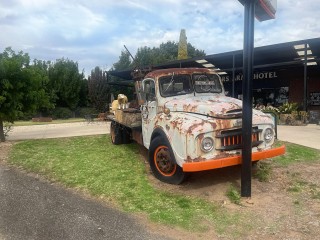
Freehold & Going Concern – Iconic Drovers Arms Hotel, Goornong
Private Seller
Goornong, VIC
Price: $1,200,000 + SAV
- Turnover: Not disclosed
- Net Profit: Not disclosed
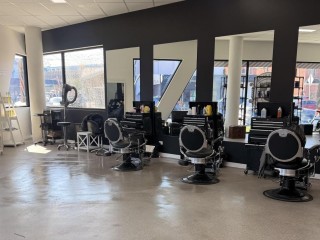
Barbershop
Private Seller
Parkdale, VIC
Price: $40,000
- Turnover: Not disclosed
- Net Profit: Not disclosed
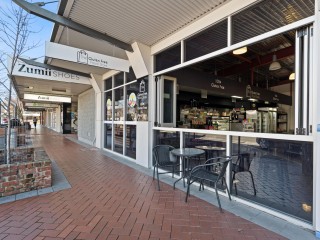
The Gluten Free Food Store
Private Seller
Wodonga, VIC
Price: $129,000 + SAV
- Established: Established 4 years
Revenue Generating SaaS Business with Enormous Upside
Private Seller
Armadale, VIC
Price:
- Turnover: Not disclosed
- Net Profit: Not disclosed
Business Opportunity Southeast Queensland Territory
Private Seller
Melbourne Region VIC
Price: $80,000
- Turnover: Not disclosed
- Net Profit: Not disclosed
High Demand Point Cook Childcare Centre For Lease
Essentia Property
Point Cook, VIC
Price:
- Established: Established purpose built childcare facility

Kialla Colour Fencing
NAI Harcourts Rinnovate
Kialla, VIC
Price: $1,400,000 + SAV
- Established: Established in 2015; more than a decade of trading history
Jen Designs
NAI Harcourts Rinnovate
Rosebud, VIC
Price: $125,000 WIWO
- Established: History dating back to 1983; more than four decades of trading
Established Mechanical Workshop – Loyal Customers & Weekday Trading
Advanced Business Marketing
Victoria
Price: $400,000 + SAV
- Established: More than 25 years of trading history
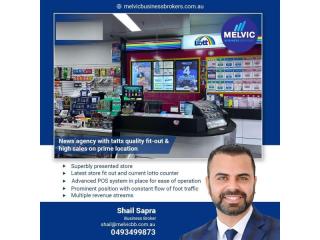
Tattslotto Newsagency Gift Shop for sale in Casey Area
Melvic Business Brokers
Narre Warren, VIC
Price: Open to offers
- Turnover: $Tatts commissions: about $175,000 per year; shop sales: about $80,000 per year
- Established: More than 20 years
Boat Cruise business. A great coastal lifestyle.
Business Brokers Network Australia
Lakes Entrance, VIC
Price: $600,000
- Turnover: Not disclosed
- Net Profit: Not disclosed
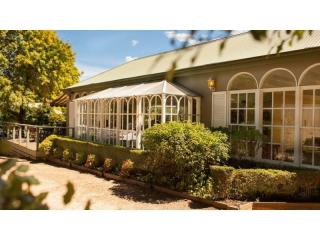
Fortnums Restaurant & Wedding Venue - Sassafras
CRE Brokers
Sassafras, VIC
Price: Leasehold $350,000 +SAV
- Established: 23-year trading history
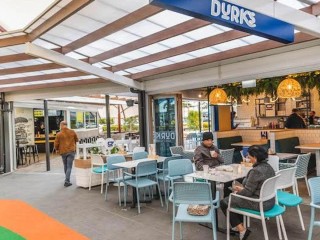
Popular Durk's Cafe + Eatery Franchise For Sale - Easy Operations - Full Training and Support - Low Investment
Johnston Business Sales
Altona North, VIC
Price: $250k
- Turnover: Not disclosed
- Net Profit: Not disclosed
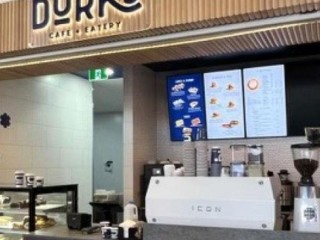
Popular Durk's Cafe + Eatery Franchise For Sale - Easy Operations - Full Training and Support - Low Investment
Johnston Business Sales
Beveridge, VIC
Price: $315k (plus lessors cost...
- Turnover: Not disclosed
- Net Profit: Not disclosed
HOSPITALITY & EVENTS VENUE FOR SALE
No Agent Business
Swan Hill, VIC
Price:
- Established: Established hospitality, functions and events venue
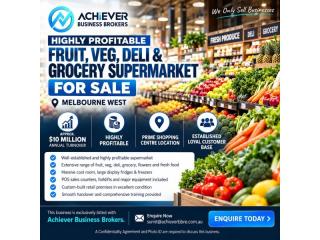
High-Turnover | Highly Profitable Fruit & Veg, Grocery Supermarket – Melbourne West
Achiever Business Brokers
Melbourne CBD, VIC
Price: Contact Agent
- Turnover: $Approximately $10 million annual turnover
- Established: More than three decades of trading
Highly Profitable and Extremely Unique Retail Store
The Finn Group
Melbourne CBD, VIC
Price: $795,000 + SAV
- Established: 2020; operated for almost seven years
InXpress Shipping- Freight- Logistics Franchise- Huge Growth Potential- No Experience Required- Limited Areas...
Johnston Business Sales
Melbourne CBD, VIC
Price: $85,000 + GST
- Turnover: Not disclosed
- Net Profit: Not disclosed
Chipmunks indoor playground franchise for sale - Melbourne
Business Brokers Network Australia
Melbourne CBD, VIC
Price: $1,200,000
- Turnover: Not disclosed
- Net Profit: Not disclosed
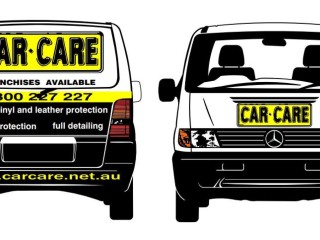
Car Detailing Mobile Huge demand High Profits Funding Available
Business Brokers Network Australia
Knox City Centre, VIC
Price: $25,000
- Established: Over 25 years
Market Overview
Based on Bsale Market data, Victoria is one of Australia’s largest and most diverse business markets, anchored by its capital city, Melbourne, and supported by a wide network of established regional centres.
There are currently 4,216 businesses for sale across Victoria, representing a combined advertised value of approximately $2.48 billion. The average asking price is $589,072, positioning Victoria below the national average ($658,623) and reinforcing its appeal to buyers seeking both scale and accessibility.
Melbourne dominates the Victorian market by volume, accounting for the majority of listings and total value. At the same time, Victoria’s regional markets span a wide pricing spectrum, from highly affordable lifestyle regions through to premium, tightly held regional economies.
How Many Businesses Are for Sale in Victoria?
Based on current Bsale Market data, there are 4,216 active business listings across Victoria, making it one of the largest business for sale markets in Australia.
The Melbourne region alone accounts for 3,119 listings, representing more than two-thirds of all Victorian opportunities. Outside the capital, strong regional activity is seen across Geelong & South West, Mornington Peninsula, Bendigo & Goldfields, Ballarat & Grampians, Gippsland and Shepparton & Hume, offering buyers meaningful choice beyond metropolitan Melbourne.
What Is the Average Asking Price for Businesses in Victoria?
The average asking price for businesses in Victoria is $589,072, sitting below the national average ($658,623).
Victoria is priced below New South Wales ($605,147), Queensland ($730,974) and Western Australia ($705,700), while remaining above the ACT ($506,584). This pricing profile positions Victoria as one of the most accessible business market for buyers.
Within the state, pricing varies significantly by region. Melbourne’s average asking price is $558,863, reflecting the scale of the capital city market and the high volume of hospitality, retail, professional and service-based businesses available at accessible entry points.
At the lower end of the pricing spectrum, the Mornington Peninsula records the most affordable regional average at $390,694, driven by owner-operated hospitality, retail and lifestyle businesses. At the upper end, Gippsland stands out as Victoria’s highest-priced regional market, with an average asking price of $1,036,765, reflecting larger-scale agribusiness, industrial and established service enterprises.
Other major regional centres such as Ballarat & Grampians ($776,319), Shepparton & Hume ($719,179), Bendigo & Goldfields ($670,881) and Geelong & South West ($641,121) sit between these extremes, offering buyers a wide range of price points and business models.
What Types of Businesses Are Selling in Victoria?
Based on Bsale Market data, Victoria offers one of the broadest mixes of business types nationally, spanning both metropolitan and regional markets. Common listings include cafes, restaurants and food businesses, retail stores, professional and financial services, healthcare and allied health practices, manufacturing and light industrial operations, transport and logistics businesses, construction and trade services, education-related businesses and online or digital enterprises. This diversity supports strong buyer demand across different budgets, experience levels and investment strategies.
Where Buyers Are Looking Across Victoria
Buyer enquiry across Victoria remains broad, with strong activity in both metropolitan and regional markets. Melbourne and its inner and middle-ring suburbs continue to attract the highest volume of buyer interest due to population density and commercial diversity. Regional centres such as Geelong, Ballarat, Bendigo and Shepparton draw buyers seeking stable regional demand and lower operating costs, while lifestyle regions including the Mornington Peninsula and Gippsland remain popular for hospitality, tourism and service-based businesses.
How to Buy or Sell a Business in Victoria
Since 2000, Bsale has helped Australians buy and sell businesses across Victoria and every major city and regional centre nationwide. Buying or selling a business in Victoria requires an understanding of market pricing, regional differences and buyer demand across both metropolitan and non-metropolitan locations.
Buyers can compare live opportunities by industry, location and price range, while sellers improve outcomes by aligning their asking price with current market benchmarks and buyer expectations. Businesses across Victoria are commonly sold through licensed business brokers or marketed directly to buyers via the Bsale marketplace.
If you’re looking to buy, start with Bsale’s Buying a Business Guide to understand due diligence, valuations and finance. If you’re ready to sell, explore our Guide to Selling a Business, connect with a licensed business broker, or advertise your business directly on Bsale to reach qualified buyers.
> Register for alerts
> Sell a Business
> Guide to Selling a Business
> Guide to Buying a Business
Helpful Resources for Buying a Business in VIC
Popular Region Searches in Victoria
- Business For Sale in Melbourne Region VIC
- Business For Sale in Mornington Penninsula Region VIC
- Business For Sale in Geelong & South West Region VIC
- Business For Sale in Bendigo & Goldfields Region VIC
- Business For Sale in Shepparton & Hume Region VIC
- Business For Sale in Gippsland Region VIC
- Business For Sale in Ballarat & Grampians Region VIC
Browse Categories in Victoria
Stay up to date with new listings
Frequently Asked Questions
How do I get new business alerts?
To never miss a new opportunity, click "Save" after your search or simply set up your "Buyer Alerts". Our system will email you matching new listings daily at 6 am, giving you a head start on the latest market opportunities.
How much money do I need to buy a business?
To secure a business loan in Australia, cash is king. Most lenders cap their Loan-to-Value Ratio (LVR) at 50–70%, meaning you typically need a 30% to 50% cash deposit upfront.
With the average asking price on Bsale currently sitting at $659,535 (Dec 2025), you should aim for a starting capital budget of $200,000 to $330,000 for a standard acquisition. However, the market is diverse with prices ranging from $20,000 micro-businesses to multi-million dollar enterprises, so it will depend heavily on the business you're buying.
Don't forget to budget for the "hidden" closing costs beyond the purchase price, which require immediate liquid cash. You will typically need to set aside between $1,500 and $8,000 for legal fees depending on complexity, plus funds for due diligence expenses like accountant reviews, government duties, and lease transfer costs. Crucially, you should also retain a working capital buffer large enough to cover wages, rent, the lease bond, and stock for your first 90 days of trade.
Is the price fair? Most small businesses are valued using a "multiple of profit" typically 1.5x to 4x annual net profit. For example, If a business nets $150,000 a year, a fair market price is likely between $225,000 and $600,000. Once you conduct due diligence it will help you to establish what is a fair price for the business.
What should I check before buying a business?
You must conduct thorough due diligence across three key pillars:
- Financials: Verify 3 years of Profit & Loss (P&L) and BAS statements.
- Legal: Review the commercial lease terms and required licenses.
- Operations: Check staff contracts and the condition of equipment.
Always have a qualified accountant verify that the owner's "Discretionary Earnings" (SDE) actually match the bank statements. Poor due diligence is the #1 cause of post-sale failure, so never skip this verification.
How long does it take to buy a business?
On average, most small business purchases take 6 to 14 weeks from the initial enquiry to final settlement, though complex acquisitions involving government licenses or commercial finance can extend beyond six months.
The process typically unfolds in four consecutive stages. It begins with Enquiry & Initial Review (1–3 weeks), where you sign an NDA and assess the Information Memorandum. This moves into Due Diligence (2–4 weeks), a critical period for your accountant and solicitor to investigate tax returns and lease agreements. Once satisfied, you enter Offer & Negotiation (1–2 weeks) to agree on price and terms, before concluding with Finance & Legal Finalisation (2–5 weeks) to secure bank approval and transfer the lease.
How do I sell a business?
To achieve the highest price, ensure your financials are "bank-ready" and your operations are fully documented. You can choose to list directly on Bsale to reach our database of qualified buyers or engage a licensed business broker to manage the valuation and negotiation process for you.
> Sell a Business
> Guide to Selling a Business
> Read Testimonials
Why is Victoria a great place to buy a business?
Victoria is one of Australia’s strongest and most balanced economies, making it an attractive place for business buyers. With over 6.8 million residents, the state provides a large and diverse customer base, driven by both metropolitan Melbourne and fast-growing regional centres such as Geelong, Ballarat, Bendigo and Shepparton.
The state has a highly diversified economy, with major activity across hospitality, retail, construction, transport, trades, health, technology, education and professional services. This spread of industries helps reduce risk for buyers, as the state is not dependent on one sector to drive growth.
Victoria has also experienced consistent population growth over the past decade, supporting demand for essential services, lifestyle businesses, and local operators. Strong regional migration continues to boost trading conditions outside the capital city, creating opportunities for buyers looking beyond Melbourne.
Infrastructure investment, a skilled workforce, well-connected transport networks and a steady flow of domestic and international visitors further strengthen the state’s commercial environment. With its large population, diverse industries and stable economic foundations, Victoria offers strong conditions for anyone looking to buy and grow a business.
> Snapshot of Victoria - ABS
> Regions of Victoria
> Your Guide to Buying a Business in Australia - Bsale
What businesses in Victoria are buyers most interested in?
Buyer demand in Victoria is strong across a wide range of industries, driven by the state’s large population, diverse economy and a mix of metropolitan and regional growth hubs. Hospitality remains one of the most active sectors, with cafes, restaurants, bakeries and specialty food operators attracting steady interest in Melbourne and regional centres. Retail, beauty, wellness, health and fitness businesses also perform well, particularly in high-traffic suburbs and lifestyle-driven regional towns.
Victoria’s ongoing construction activity and population growth are fuelling demand for trades and service-based businesses, including building, maintenance, electrical, plumbing, cleaning, and home services. Professional services, childcare, health clinics and allied health practices continue to attract buyers due to predictable, year-round demand.
The state’s strong creative, tech and education sectors also support growing interest in online, e-commerce and digital businesses, especially those offering flexibility and scalability. Regional areas such as Geelong, Bendigo, Ballarat and the Surf Coast are seeing increased buyer activity, with many seeking lifestyle-friendly businesses supported by expanding local economies.
Overall, buyers in Victoria gravitate toward established businesses with reliable cashflow, strong local customer bases and industries supported by long-term population and infrastructure growth.
Which areas of Victoria are best for owning a small business?
Victoria offers a strong mix of metropolitan, regional and lifestyle-focused locations that are well suited to small business ownership. Melbourne remains the state’s economic centre, with high demand across hospitality, retail, professional services, health, beauty and trades. Inner-city suburbs such as Fitzroy, Carlton, Richmond, South Yarra and St Kilda attract steady foot traffic and strong local spending, making them ideal for customer-facing businesses.
Beyond Melbourne, several regional hubs are emerging as powerful small-business locations thanks to population growth, infrastructure investment and more affordable operating costs. Geelong is one of Australia’s fastest-growing regional cities, offering a thriving hospitality, retail and services sector. Ballarat and Bendigo both have expanding populations and strong local economies supported by education, healthcare, trades and tourism, making them attractive for owners seeking stability and lower entry costs.
Further north, Shepparton, Wangaratta and Wodonga offer opportunities in logistics, agriculture-linked services, retail and trades. On the coast, areas such as Torquay, Ocean Grove, Mornington Peninsula and Phillip Island attract lifestyle buyers interested in tourism, accommodation, hospitality and boutique retail.
Across Victoria, buyers tend to focus on areas with:
• Strong population growth
• Steady tourism or foot traffic
• Affordable rents and operating costs
• Expanding local industries and employment
These factors help create reliable customer bases and stable long-term trading conditions, making Victoria one of Australia’s most opportunity-rich states for small business owners.
What Government support is available in Victoria?
The Victorian Government offers a comprehensive range of grants, advisory services and business programs to support people looking to buy, operate or grow a business. Whether you're exploring finance options, improving digital capability, seeking mentoring or navigating regulatory requirements, these programs can make the transition into business ownership smoother and more informed.
Victoria also provides dedicated guidance for people buying an existing business, including licensing, legal steps, leasing considerations and compliance obligations. For ongoing support, business owners can access dispute resolution, commercial leasing help and general advisory services through the Victorian Small Business Commission.
Here are useful government links for business owners in Victoria:
> Business grants and programs – Business Victoria
> Buy an existing business – Victoria Government
Immigration and Visa Pathways: Victoria also participates in Australia’s business and investment visa programs, offering Victorian nomination for eligible applicants looking to operate or invest in a business within the state.