






 Search Filters
183 Businesses For Sale in Gippsland Region VIC
Results 121-140 of 183
Car Detailing and Car Wash Business – Traralgon, VIC
Coast to Coast Business Sales
Traralgon, VIC
Price: $70,000 NEGOTIABLE
- Turnover: $115,000
- Net Profit: Not disclosed
- Established: 5 years
Popular Bakery in Busy Shopping Plaza – Yarram, VIC
Coast to Coast Business Sales
Yarram, VIC
Price: $150,000 WIWO – NEGOTI...
- Turnover: $628,750
- Net Profit: $64,812
- Established: 19 years (current owner 5 years)
For Sale: Thriving Eclectic Cafe in West Gippsland
Absolute Business Brokers
Drouin, VIC
Price: Open to Offers
- Turnover: $Over $14,000 per week
- Net Profit: Not disclosed
- Established: 12 years
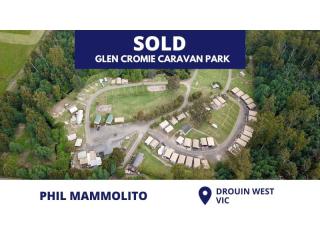
SOLD - Glen Cromie Caravan Park
CRE Brokers
Drouin West, VIC
Price: Leasehold $1,100,000
- Turnover: Not disclosed
- Net Profit: Not disclosed
- Established: 133 years
Easy to manage. 40 room Motel, freehold and business.
Business Brokers Network Australia
Lakes Entrance, VIC
Price: $4,250,000
- Turnover: Not disclosed
- Net Profit: Not disclosed
General Store - your rent is paid and a big NET income. 3 bedroom residence.
Business Brokers Network Australia
Port Albert, VIC
Price: $325,000
- Turnover: $1,300,000+
- Net Profit: Not disclosed
Global Brand. Service Station for Sale Near Bairnsdale | 188 Visa Suitable
Business Brokers Network Australia
Bairnsdale, VIC
Price: $600,000
- Turnover: Not disclosed
- Net Profit: Not disclosed
Huge plant hire business and a Paving/brick supply business. Great income streams.
Business Brokers Network Australia
Bairnsdale, VIC
Price: $3,300,000
- Turnover: $3,200,000
- Net Profit: $650,000
- Established: Over 30 years
$27,000 per week sales !! Canvass, Shade-Sails, Blinds, Complete Manufacturing
Business Brokers Network Australia
Bairnsdale, VIC
Price: $460,000
- Turnover: Not disclosed
- Net Profit: Not disclosed
SOLD - Railway Hotel
CRE Brokers
Heyfield, VIC
Price: Leasehold $495,000
- Turnover: Not disclosed
- Net Profit: Not disclosed
1.9 Million + takings, Tyre and Mechanical workshop
Business Brokers Network Australia
Drouin, VIC
Price: $345,000
- Turnover: $1.9 million
- Net Profit: Not disclosed
FULLY MANAGED SERVICE STATION FOR SALE IN THE GIPPSLAND REGION
Aslan Business Brokers
Gippsland VIC
Price: $299,000
- Turnover: $700,000
- Net Profit: Not disclosed
SOLD - Neerim South Milkbar & Takeaway
CRE Brokers
Neerim South, VIC
Price: Leasehold $190,000
- Turnover: Not disclosed
- Net Profit: Not disclosed
SOLD - Waratah Bay Caravan Park
CRE Brokers
Waratah Bay, VIC
Price: EOI - Closed
- Turnover: Not disclosed
- Net Profit: Not disclosed
Gippsland Locally Manufactured Curtain and Blinds
Absolute Business Brokers
Traralgon, VIC
Price: Price On Application
- Turnover: $1,800,000
- Net Profit: Not disclosed
- Established: 40 years
Bairnsdale's Best Pizza - 4 night only, short hours UNDER CONTRACT UNDER OFFER
Business Brokers Network Australia
Bairnsdale, VIC
Price: $85,000
- Turnover: Not disclosed
- Net Profit: Not disclosed
SOLD! Disability Support Services Business – Gippsland Region, VIC
Xcllusive Business Sales Pty Ltd
Morwell, VIC
Price: $1,550,000
- Turnover: $2.65 million
- Net Profit: $671,000
School Camp/Group Accommodation - Grantville Lodge - 154 beds on 75 Acres
Business Brokers Network Australia
Grantville, VIC
Price: $3,600,000
- Turnover: Not disclosed
- Net Profit: Not disclosed
Sensational Beach Cafe/Kiosk - rent only $162 a week !!!!!
Business Brokers Network Australia
Lakes Entrance, VIC
Price: $88,000
- Turnover: Not disclosed
- Net Profit: Not disclosed
Paradise Valley Camping Ground - 1P5810
CRE Brokers
Glenmaggie, VIC
Price: $4,125,000
- Turnover: Not disclosed
- Net Profit: Not disclosed
Market Overview
Based on Bsale Market data, the Gippsland region is a high-value regional business market, supported by agriculture, food production, energy, transport, tourism and essential regional services.
There are currently 171 businesses for sale in the Gippsland region, representing a combined advertised value of approximately $177.3 million. The average asking price is $1,036,765, positioning Gippsland as one of the highest-priced regional business markets in Victoria.
Compared with other Victorian regions, Gippsland’s pricing reflects the prevalence of larger, asset-backed and enterprise-style businesses servicing wide geographic catchments, along with a lower volume of
> Bsale Market Insights
How Many Businesses Are for Sale in Gippsland?
Based on current Bsale Market data, there are 171 active business listings across the Gippsland region.
This places Gippsland as a mid-sized but high-value regional market, offering fewer listings than metropolitan-adjacent regions but a higher average business size. Opportunities are spread across multiple regional centres and rural service hubs, providing access to businesses with established infrastructure and long operating histories.
What Is the Average Asking Price for Businesses in Gippsland?
The average asking price for businesses in the Gippsland region is $1,036,765, placing the region well above the Victorian state average ($589,072) and well above the national average ($658,623).
Compared with nearby markets, Gippsland businesses are typically priced significantly above Mornington Peninsula ($390,694), above Melbourne ($558,863) and above Geelong & South West ($641,121). This pricing reflects the region’s strong concentration of agricultural, food production, transport, energy-adjacent and large-scale service businesses, many of which operate across extensive regional catchments. While listing volumes are moderate, buyer demand remains steady for established operations with scale and asset backing.
What Types of Businesses Are Selling in Gippsland?
Based on Bsale Market data, businesses for sale in Gippsland are predominantly enterprise-focused and service-oriented, aligned with the region’s role as a key production and logistics corridor.
Common listings include agricultural and rural service businesses, food processing and distribution operations, transport and logistics providers, construction and trade services, tourism and accommodation businesses, professional services and community-based service enterprises. This mix appeals to buyers seeking established operations with long-term contracts, infrastructure and regional market resilience.
Where Buyers Are Looking in Gippsland
Buyer enquiry across the Gippsland region is concentrated around major population centres and transport-linked hubs. Consistent interest is seen in areas such as Traralgon, Morwell and Sale, which serve as commercial and service centres for surrounding regions. Warragul and Drouin continue to attract buyers seeking growth-driven regional towns, while coastal areas such as Lakes Entrance appeal to buyers interested in tourism and hospitality-based businesses. This spread supports steady transaction activity across the region.
How to Buy or Sell a Business in Gippsland
Since 2000, Bsale has helped Australians buy and sell businesses across regional Victoria and every major city and regional centre nationwide. Buying or selling a business in Gippsland requires an understanding of regional demand drivers, operational scale and realistic pricing expectations.
Buyers can compare live opportunities by industry, location and price range, while sellers improve outcomes by aligning their asking price with current regional benchmarks and buyer demand. Businesses in Gippsland are commonly sold through licensed business brokers or marketed directly to buyers via the Bsale marketplace.
If you’re looking to buy, start with Bsale’s Buying a Business Guide to understand due diligence, valuations and finance. If you’re ready to sell, explore our Guide to Selling a Business, connect with a licensed business broker, or advertise your business directly on Bsale to reach qualified buyers.
> Register for alerts
> Sell a Business
> Guide to Selling a Business
> Guide to Buying a Business
Popular Searches in Gippsland Region VIC
- Business For Sale in Traralgon
- Business For Sale in Warragul
- Business For Sale in Licola
- Business For Sale in Bairnsdale
- Business For Sale in Lakes Entrance
Browse Categories in Gippsland Region VIC
- Caravan Park For Sale in Gippsland Region VIC
- Motel For Sale in Gippsland Region VIC
- Hotel For Sale in Gippsland Region VIC
- Franchise Business Opportunities For Sale in Gippsland Region VIC
- Cafe For Sale in Gippsland Region VIC
- Alcohol Liquor Shop For Sale in Gippsland Region VIC
- Restaurant For Sale in Gippsland Region VIC
- Resort For Sale in Gippsland Region VIC
Stay up to date with new listings
Frequently Asked Questions
How do I get new business alerts?
To never miss a new opportunity, click "Save" after your search or simply set up your "Buyer Alerts". Our system will email you matching new listings daily at 6 am, giving you a head start on the latest market opportunities.
How much money do I need to buy a business?
To secure a business loan in Australia, cash is king. Most lenders cap their Loan-to-Value Ratio (LVR) at 50–70%, meaning you typically need a 30% to 50% cash deposit upfront.
With the average asking price on Bsale currently sitting at $659,535 (Dec 2025), you should aim for a starting capital budget of $200,000 to $330,000 for a standard acquisition. However, the market is diverse with prices ranging from $20,000 micro-businesses to multi-million dollar enterprises, so it will depend heavily on the business you're buying.
Don't forget to budget for the "hidden" closing costs beyond the purchase price, which require immediate liquid cash. You will typically need to set aside between $1,500 and $8,000 for legal fees depending on complexity, plus funds for due diligence expenses like accountant reviews, government duties, and lease transfer costs. Crucially, you should also retain a working capital buffer large enough to cover wages, rent, the lease bond, and stock for your first 90 days of trade.
Is the price fair? Most small businesses are valued using a "multiple of profit" typically 1.5x to 4x annual net profit. For example, If a business nets $150,000 a year, a fair market price is likely between $225,000 and $600,000. Once you conduct due diligence it will help you to establish what is a fair price for the business.
What should I check before buying a business?
You must conduct thorough due diligence across three key pillars:
- Financials: Verify 3 years of Profit & Loss (P&L) and BAS statements.
- Legal: Review the commercial lease terms and required licenses.
- Operations: Check staff contracts and the condition of equipment.
Always have a qualified accountant verify that the owner's "Discretionary Earnings" (SDE) actually match the bank statements. Poor due diligence is the #1 cause of post-sale failure, so never skip this verification.
How long does it take to buy a business?
On average, most small business purchases take 6 to 14 weeks from the initial enquiry to final settlement, though complex acquisitions involving government licenses or commercial finance can extend beyond six months.
The process typically unfolds in four consecutive stages. It begins with Enquiry & Initial Review (1–3 weeks), where you sign an NDA and assess the Information Memorandum. This moves into Due Diligence (2–4 weeks), a critical period for your accountant and solicitor to investigate tax returns and lease agreements. Once satisfied, you enter Offer & Negotiation (1–2 weeks) to agree on price and terms, before concluding with Finance & Legal Finalisation (2–5 weeks) to secure bank approval and transfer the lease.
How do I sell a business?
To achieve the highest price, ensure your financials are "bank-ready" and your operations are fully documented. You can choose to list directly on Bsale to reach our database of qualified buyers or engage a licensed business broker to manage the valuation and negotiation process for you.
> Sell a Business
> Guide to Selling a Business
> Read Testimonials
Why is Gippsland a good place to buy a business right now?
Gippsland presents a compelling opportunity for buyers, supported by strong regional demand, major energy and infrastructure projects, and ongoing population growth across key town centres. The region’s diverse economy, spanning agriculture, energy, tourism, and essential services, continues to underpin stable business conditions.
The market is more tightly held, with 171 businesses currently for sale and an average asking price of $1,036,765, reflecting the larger scale and asset-backed nature of many regional operations. For sellers, this environment supports strong buyer interest in well-established businesses.
From a financial perspective, Gippsland offers long-term income potential, particularly for owner-operators seeking scale, land, or strategic regional positions within reach of Melbourne’s eastern corridor.
What types of businesses for sale in Gippsland are most popular?
Throughout Gippsland, buyer interestis consentrated in the Agribusiness, Transport, and Hospitality industries, along with trades and tourism businesses servicing coastal and regional hubs. Essential services, including Accommodation, Cafes, Takeaways, and Automotive businesses also remain highly sought after due to consistent regional demand.
What Gippsland areas are best for buying a business?
Key areas of interest include Traralgon, Sale, Warragul, Bairnsdale, and Lakes Entrance, where commercial activity is supported by transport links, local industry, and tourism. Coastal towns like some of those found in the region attract hospitality buyers, while inland centres suit industrial and service-based operations.
Are there specific legal requirements to buy in Gippsland?
Yes. To protect your investment in Victoria, you must verify if these conditions apply. First, the Section 52 Statement is mandatory for any business sold under $450,000; if this financial disclosure isn't provided before signing, you may have the legal right to cancel the contract. Second, regarding Liquor Licenses, as of July 2025, you generally no longer need a separate council planning permit for transfers, but you must still secure approval from Liquor Control Victoria. Finally, always request a Property Enquiry from the local council for food businesses to reveal any outstanding health orders so you don't inherit the repair costs.
Important: These laws are complex, so always consult a qualified commercial solicitor before signing any contracts.
For operational assistance, new owners can access resources through the local council and Business Victoria, including the Business Acceleration Fund, which helps streamline regulatory approvals and digital upgrades. Additionally, the Victorian Small Business Commission (VSBC) provides free mediation services for retail lease disputes, a vital resource for navigating commercial tenancies in Gippsland's rental market.
> Buying a Business Advice - Business Victoria