


 Search Filters
151 Food Beverage Manufacturing Business for Sale in Australia
Results 81-100 of 151

Become a Yo Way Franchisee – High-Quality Fro-Yo, High-Rewards
DC Strategy
Southland Centre, VIC
Price: $350,000
- Turnover: Not disclosed
- Net Profit: Not disclosed

Start Your Own Yo Way Frozen Yogurt Business – Apply Today!
DC Strategy
Doncaster, VIC
Price: $350,000
- Turnover: Not disclosed
- Net Profit: Not disclosed

Yo Way Franchise: Unleash Your Entrepreneurial Spirit
DC Strategy
Brisbane CBD, QLD
Price: $350,000
- Turnover: Not disclosed
- Net Profit: Not disclosed
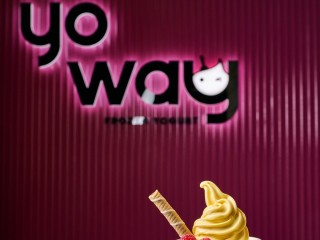
Own a Yo Way Frozen Yogurt Franchise – Join the Fro-Yo Revolution!
DC Strategy
Sydney CBD, NSW
Price: $350,000
- Turnover: Not disclosed
- Net Profit: Not disclosed

Yo Way Franchise: Unleash Your Entrepreneurial Spirit
DC Strategy
Byron Bay, NSW
Price: $350,000
- Turnover: Not disclosed
- Net Profit: Not disclosed

Become a Yo Way Franchisee – High-Quality Fro-Yo, High-Rewards
DC Strategy
Mackay, QLD
Price: $350,000
- Turnover: Not disclosed
- Net Profit: Not disclosed
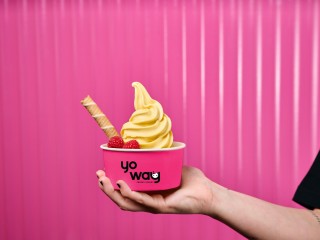
Yo Way Franchise: Unleash Your Entrepreneurial Spirit
DC Strategy
Parramatta, NSW
Price: $350,000
- Turnover: Not disclosed
- Net Profit: Not disclosed

Invest in Yo Way: Premium Frozen Yogurt Franchise Opportunities
DC Strategy
Burnley, VIC
Price: $350,000
- Turnover: Not disclosed
- Net Profit: Not disclosed
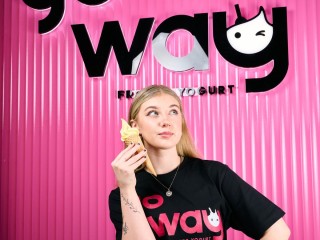
Own a Yo Way Frozen Yogurt Franchise – Join the Fro-Yo Revolution!
DC Strategy
Gold Coast, QLD
Price: $350,000
- Turnover: Not disclosed
- Net Profit: Not disclosed

Start Your Own Yo Way Frozen Yogurt Business – Apply Today!
DC Strategy
Toowoomba, QLD
Price: $350,000
- Turnover: Not disclosed
- Net Profit: Not disclosed
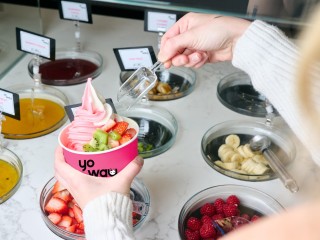
Yo Way Franchise: Unleash Your Entrepreneurial Spirit
DC Strategy
Ballarat, VIC
Price: $350,000
- Turnover: Not disclosed
- Net Profit: Not disclosed

Become a Yo Way Franchisee – High-Quality Fro-Yo, High-Rewards
DC Strategy
Geelong, VIC
Price: $350,000
- Turnover: Not disclosed
- Net Profit: Not disclosed

Invest in Yo Way: Premium Frozen Yogurt Franchise Opportunities
DC Strategy
Newcastle, NSW
Price: $350,000
- Turnover: Not disclosed
- Net Profit: Not disclosed

Own a Yo Way Frozen Yogurt Franchise – Join the Fro-Yo Revolution!
DC Strategy
Wollongong, NSW
Price: $350,000
- Turnover: Not disclosed
- Net Profit: Not disclosed
UNDER OFFER Restaurant owner said sell, sell, sell. Heart Attack
Business Brokers Network Australia
Hervey Bay Dc, QLD
Price: $85,000
- Turnover: Not disclosed
- Net Profit: Not disclosed
- Established: Operating since 2016
UNDER CONTRACT Pizza & cocktail lounge in Hervey Bay. One of the best you will find.
Business Brokers Network Australia
Hervey Bay, QLD
Price: $225,000
- Turnover: Not disclosed
- Net Profit: Not disclosed
Managed Half Million Profit Business, Vendor Finance Considered #5512FO1
ABS Business Sales
Brisbane CBD, QLD
Price: $985,000 + SAV
- Turnover: $Half Million
- Net Profit: Not disclosed
BAKERY/ CAFE/ COMM KITCHEN CHATTEL SALE IN MOORABBIN $55,000
LK Business Brokers
Moorabbin East, VIC
Price: $55,000
- Turnover: $7,000 - $8,000 per week
- Net Profit: Not disclosed
- Established: 8 months ago
Iconic Profitable Brand & Product Opportunity In Food Sector
Barker Business Brokerage
North Island
Price: $295,000
- Turnover: $100,000
- Net Profit: Not disclosed
- Established: over 13 years
UNDER MANAGEMENT PIZZA SHOP FOR SALE
Aslan Business Brokers
Caulfield South, VIC
Price: $98,000
- Turnover: Not disclosed
- Net Profit: Not disclosed
If you’re looking to buy a Food Beverage Manufacturer for sale in Australia, Bsale makes it easy to see what’s currently available. You can browse active listings across all states and regions, or refine your search to compare different locations, business styles and price points side by side.
New listings are added daily, and you can register for alerts to be notified when a new Food Beverage Manufacturer business becomes available. Since 2000, Bsale has connected buyers with quality businesses and trusted business brokers across Australia, helping buyers to research, compare and buy opportunities.
If you’re planning to sell a Food Beverage Manufacturer in Australia, Bsale helps you sell a business by presenting your listing to genuine buyers actively searching the market.
Browse Food Beverage Manufacturer by State
- Food Beverage Manufacturer for sale in NSW
- Food Beverage Manufacturer for sale in VIC
- Food Beverage Manufacturer for sale in QLD
- Food Beverage Manufacturer for sale in WA
- Food Beverage Manufacturer for sale in SA
- Food Beverage Manufacturer for sale in NT
- Food Beverage Manufacturer for sale in TAS
- Food Beverage Manufacturer for sale in ACT
Browse Food Beverage Manufacturer in Capital Cities
- Food Beverage Manufacturer for sale in Sydney
- Food Beverage Manufacturer for sale in Melbourne
- Food Beverage Manufacturer for sale in Brisbane
- Food Beverage Manufacturer for sale in Perth
- Food Beverage Manufacturer for sale in Adelaide
- Food Beverage Manufacturer for sale in Darwin
- Food Beverage Manufacturer for sale in Hobart
- Food Beverage Manufacturer for sale in Canberra
Frequently Asked Questions
How do I know when a new food manufacturing business is listed for sale?
Food manufacturing businesses are frequently added to Bsale. You can set up alerts in the category of your choice to be notified when a new listing goes live. Simply register for alerts to receive notifications straight to your inbox.
How much does it cost to buy a food manufacturing business?
The price of food manufacturing businesses varies based on factors such as their size, profitability, and industry focus. Smaller operations can start from $100,000, while larger businesses supplying major supermarket chains may be valued in the millions. The final cost will depend on your budget and the scale of the business you’re interested in purchasing.
What are the benefits of buying a food manufacturing business?
Buying an established food manufacturer provides several advantages, including:
- Immediate access to established recipes and product lines
- A trained and experienced team in place
- An established supply and distribution network
- Existing contracts with suppliers and possibly major retailers
- A production facility with necessary equipment
Owning a food manufacturing business allows you to focus on scaling operations rather than starting from scratch.
Who can buy a food manufacturing business?
Anyone with an interest in food production can buy a food manufacturing business. While experience in the food industry is beneficial, it's not always required. However, buyers should have knowledge of food safety practices, operational management, and a keen understanding of the market to succeed. Whether you want to be hands-on or operate as an investor, there are options to fit your needs.
How do I sell a food manufacturing business?
Selling a food manufacturing business requires careful planning and preparation. Start by creating a solid exit strategy to maximize your sale price. The process typically takes 6-9 months, and you’ll need to ensure that your business is well-prepared for sale. Engaging a business broker can help with pricing, marketing, and navigating the legal aspects of the sale.
What types of food manufacturers can I buy?
Food manufacturing businesses cover a broad range of products, from baked goods to beverages and plant-based alternatives. Examples include:
- Ice cream and frozen desserts
- Protein bars and snacks
- Beverages such as juices or plant-based drinks
- Vegan or gluten-free foods
- Packaged meals and snacks
The business you choose will depend on your budget, experience, and goals.
How are food manufacturing businesses valued?
Food manufacturers are typically valued based on a multiple of their net profit. Other factors influencing the valuation include the cost and condition of equipment, ownership or lease of facilities, existing contracts with suppliers and distributors, and any intellectual property, such as patents or trademarks. It's essential to work with professionals during the valuation and due diligence process.
How does a food manufacturer make money?
Food manufacturers generate revenue by selling their products to consumers, retail stores, and wholesalers. For larger manufacturers, securing contracts with major supermarket chains is often the key to growth, while smaller businesses may focus on direct-to-consumer sales, specialty retailers, or online platforms.
Stay up to date with new listings