Comparing 5% House Deposit Scheme with Business Ownership to Get Ahead

First Home Buyers Get 5% Deposit Scheme but is Property the Best Path to Wealth?
From October 1st, first home buyers will be able to enter the property market with just a 5% deposit. For a $900,000 house, that means you only need $45,000 upfront, rather than the more traditional $180,000 at 20%.
It’s an important step toward helping first home buyers onto the property ladder, but it still the question... is allocating most of your income toward a mortgage really the best strategy to get ahead? Or should Australians be considering buying a business as an alternative investment?
That question becomes even more pressing when you consider how inflated the housing markets have become. In Sydney, many suburbs recorded 20–30% growth in the past 12 months alone, on top of the significant gains since pre-COVID. Brisbane and Melbourne have also surged in recent years, pushing house prices well beyond wage growth.
So, is it a wise move for first home buyers to stretch their income to enter these markets at elevated levels, locking themselves into decades of repayments or are there other options available?
The True Cost of Property in Sydney, Melbourne & Brisbane
Sydney, Brisbane and Melbourne are among the toughest markets for first home buyers, with average house prices now exceeding the $1.2 million in Sydney, $830,000 in Melbourne and $936,000 in Brisbane.
-
In Sydney median house prices are now sitting at $1.201 million according to Mortage Choice August 2025 report. With a 5% deposit, repayments on a $1,201,000 loan (30 years at 6% interest) are about $1,660 per week. With very limited stock available under $1 million, many first home buyers in Sydney will be looking at the $1.1-$1.2 million mark.
-
In Melbourne’s median home price is sitting at $830,000 according to Mortage Choice August 2025 report. With a 5% deposit, repayments on an $830,00 loan (30 years at 6% interest) are about $1,140 per week.
-
In Brisbane average home values now range from $936,000 according to Mortage Choice August 2025 report. depending on the source. A $936,000 loan over 30 years at 6% interest results in weekly repayments of roughly $1,290 per week.
Now compare those repayments to incomes, according to Payscale:
- In Sydney, with an average salary of $82,000 a year ($1,576 per week), mortgage repayments of around $1,660 per week would consume roughly 86% of income.
- In Melbourne, the average salary is $78,000 a year ($1,500 per week), and repayments of about $1,140 per week would take up 76% of income.
- In Brisbane, where the average salary is $76,000 a year ($1,462 per week), repayments of around $1,290 per week would account for 88% of income.
These figures highlight the immense financial pressure facing first home buyers. When mortgage repayments consume three-quarters or more of weekly income, households are left with little room to save, invest, or manage unexpected costs. For many, it means relying on dual incomes just to stay afloat. Even if first home buyers manage to find homes under the medians, they will most likely be purchasing in outer suburbs, apartments, or regional areas often trading convenience and lifestyle for affordability.
While property ownership offers long-term security and potential growth, the reality is that today’s buyers are trading flexibility for debt. By contrast, purchasing a business at a lower entry price point may not only avoids this income squeeze but also creates an opportunity to generate wealth actively, rather than waiting passively for capital gains.
A Home Gives you Shelter and Savings on Rent
Of course, buying a house isn’t just about capital growth. A home also provides security, it’s somewhere to live, raise a family, and put down roots. For first home buyers, it also removes the ongoing cost of rent, which in cities like Sydney, Melbourne and Brisbane can easily stretch between $600–$900 a week for a modest property.
But while avoiding rent is a clear benefit, the trade-off comes in the size of the mortgage repayments. With loans of $800,000–$1.2 million, repayments can be $1,100–$1,600 per week which is far higher than most rental payments. For some households, this means cashflow is tighter after buying than it was while renting.
That’s why it’s important for first home buyers to weigh up not just the pride and security of owning a home, but also the financial pressure of higher repayments. A home gives you stability, but if it eats up most of your income, it can limit your ability to save, invest, or take advantage of other wealth-building opportunities.
The Business Buying Alternative
While housing gives you a place to live, it does consume income with the hope of increasing in value. On the other hand, a business is designed to generate income. Yet, not many people consider buying a business when they think about getting ahead.
On Bsale we have over $10.2 Billion worth of businesses for sale, over 15,452 and listings all across Australia. The average price of businesses on Bsale is around $662,088 according to the Bsale Market Insights.

For most Australians, the traditional path is tied to employment, earning a fixed salary that may increase slowly over time but is ultimately capped. By contrast, buying a business gives you the opportunity to break away from that ceiling.
In fact, the average business price in Australia’s largest cities is often lower than the cost of a home:
- Sydney: 2,985 listings, average business price $532,898.
- Melbourne: 2,983 listings, average business price $545,266.
- Brisbane: 1,656 listings, average business price $720,670.

Instead of paying $1,200–$1,350 a week to a bank, buyers who choose businesses are investing in an asset that produces cashflow from day one. A well-run business can deliver profits that can help to build your wealth. Business ownership can providing freedom to scale, innovate, and eventually sell for a significant return. Unlike a salary that stays relatively fixed, business ownership opens the door to growth limited only by the owner’s ambition and effort.
Yes, you need to take the ROI into account, but a business saavy person could see the long term benefits. Especially if you can make the business generate more profits.
Depending on your expertise and industry, there are many with lower entry points such as Food and Hospitality with an average price of $387,254 or Franchsies at $380,480. At the end of the day, the price you are paying for a business is usually dependent on the net profit, often based on EBITDA, EBITA, or EBIT.

The Chicken or the Egg?
For many Australians who dream of owning both a business and a home, the big question isn’t just whether to buy a house or a business it’s which one should come first. It’s the age-old chicken-or-egg dilemma.
Buying a house gives you security, a roof over your head, and relief from paying rent. It’s a lifestyle choice as much as an investment, and for many, it feels like the “safer” first step. The trade-off is that once you’ve taken on a large mortgage, your income is tied up in repayments, often leaving little room to save or invest elsewhere.
Buying a business first can set you up with an income-generating asset before you commit to a mortgage. Profits from the business could help you save a larger deposit, pay down debt faster, or even afford a home in a better location.
The reality is, both paths can complement each other. Having a profitable business under you can make buying a property easier, as lenders see steady cashflow and you have more capacity to save for a deposit. On the flip side, owning a property that grows in value and builds equity can open up finance options to help you expand or acquire a business through loans.
There’s no one-size-fits-all answer. It depends on your appetite for risk, your financial position, and your long-term goals. But it’s worth asking, do you want the stability of a house first and build wealth slowly, or would you rather take the entrepreneurial route by building income through a business that could, in turn, make buying a house much easier?
Thoughts for First Home Buyers
The new 5% deposit scheme will help first home buyers get a foot in the property market. But with mortgages eating up 60–70% of weekly incomes in Sydney and Melbourne, the financial pressure is immense often requiring both partners to work full-time just to stay afloat. It’s important for buyers to ensure they can handle the repayments, especially if relying on dual incomes. Life circumstances change, and without savings set aside for a rainy day, the strain can quickly become overwhelming.
By contrast, buying a business can open up a different path. Instead of relying on a 5% deposit to stretch into the property market, you could be generating income through a business that helps you save faster and even put down a 20% deposit. That extra buffer can reduce the ongoing mortgage pressure significantly.
Of course, business ownership isn’t for everyone. It requires a special skillset I like to call the “ability to wear multiple hats.” As a small business owner, you’ll need to manage everything from accounts and sales to marketing and HR at least until you grow big enough to bring in a management team. In many ways, you have to be a jack of all trades.
But the upside is powerful, if you can make it work. Unlike a fixed salary of $80,000 a year, business ownership lets you “turn the dial.” You can figure out how to grow profits, expand operations, and make more money creating wealth on your own terms rather than waiting decades for capital growth in property.
Tags: first home buyers get 5% deposit scheme but is property the best path to wealth?
About the author
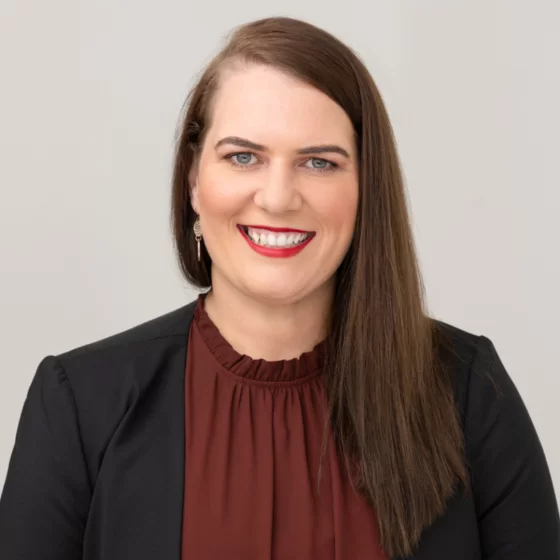
Vanessa Lovie-Yousaf
CEO Bsale Australia
Vanessa Lovie-Yousaf is the CEO and manager of Bsale.com.au, one of Australia’s most trusted business for sale marketplaces since 2000. With 15 ...


