Are the Baby Boomers Really Selling?

Are the Baby Boomers Really Selling?
For years, we’ve heard warnings about the mass retirement of Baby Boomers, cheekily labelled the “Silver Tsunami” and the flood of businesses that were meant to hit the market as this generation stepped back from day-to-day operations. But is it really happening?
Well... we hear the wave is starting!
While the shift has been bubbling beneath the surface for nearly a decade, it’s only over the past 3–5 years that we’ve started to see real momentum, and in the start of 2025 more and more brokers are commenting on the increase on baby boomers heading for retirement.
Thousands of business owners born between 1946 and 1964 are now reaching retirement age, and many are looking to sell the businesses. It seems a trifecta has come making it the right time to sell, businesses have recovered from covid, travel is open and kids are not taking over their parents business - so the need to sell has appeared.
This change is driving up the number of listings and opening a rare window of opportunity for buyers but it’s not without its complexities.
Why Are We Now Seeing the Shift?
World travel, caravanning, gardening, lazy Wednesdays, the dream of a slower lifestyle free from the daily grind is calling. The kids "dont want the business" so the parents have finally made the decision to "look at their options".
Many Baby Boomers are now well into their 60s and 70s, and the COVID years hit many businesses hard, but they now seem to have recovered and have a good 3 years of financials to show and attract a buyer.
Simon Bedard, a business broker in NSW is also seeing this trend "We’ve been talking about baby boomers retiring for ages. The silver wave of businesses coming to the market, which really didn’t happen. They are living longer, they are healthy, and they don’t know what they want to do if they sell. But, finally, that is starting to change, and we are seeing an increase in those vendors,”
Forecasts predicted this wave would start to build between 2020 and 2025 and that’s exactly what we’re seeing. While we’re currently in the thick of it, experts believe the trend will continue into the early 2030s, as the youngest Boomers (born in 1964) reach retirement. That gives us a 5–7 year window where we’ll likely see a high volume of businesses hit the market.
Unlike previous generations, most Baby Boomers aren’t simply closing their doors, they’re looking to cash out. For many, the business is their retirement fund. Superannuation balances may be limited, especially for small business owners who reinvested profits rather than building up savings. A strong sale price is often the key to funding their lifestyle through their 70s, 80s, and beyond.
So we have this balancing act, on one side the baby boomers wants the best price for their decades of hard work so they can retire, on the other a buyer who wants to pay a fair price for a business that needs to transition.
Who's Taking Over the 22% of Baby Boomer Businesses?
Well, it’s unlikely to be fellow Baby Boomers, maybe the “younger crowd” born in the late ’60s. But with 22% of businesses needing to transition, it’s most likely going to be people under 60 who have the passion and drive to take over and run these businesses. This means a whole new generation is about to take the reins of a significant portion of Australia’s business landscape.
The way businesses operate from services to products and even customer expectations could shift dramatically with this generational change. What worked for decades might not appeal to younger buyers or modern consumers, and that could lead to rebranding, innovation, and big operational changes.
It’s a transition being closely watched by industry experts, economists, and business brokers alike because this isn’t just about individuals retiring. It’s about the future of thousands of businesses that form the backbone of communities across the country.
As retirement looms for many Baby Boomer owners, there are typically three pathways for their business:
-
Pass to Next Generation
While once a common succession plan, fewer business owners are finding family members willing or able to take over. Lifestyle preferences, differing career paths, or location often mean the next generation isn’t prepared to step in. -
Selling the Business
For many, this is the preferred option. Selling allows the owner to monetise years (or decades) of hard work and use the proceeds to fund their retirement. However, a successful sale hinges on how well-prepared the business is. Buyers today are looking for systemised operations, up-to-date technology, and financial transparency, not just goodwill and a loyal customer base. -
Closing the Business
Sadly, in some cases, the business simply shuts down. Whether it’s due to a lack of succession planning, limited buyer interest, or an outdated model that no longer appeals to the market, closure is often a last resort but it’s happening more frequently than expected.
This transition period presents both risks and opportunities. On one hand, Australia risks losing valuable small businesses often the heart and soul of local communities. No one wants to see the town’s beloved bakery, corner store, or family-run cafe shut its doors for good. On the other hand, for savvy buyers, this is a rare chance to step in, modernise operations, and build upon the solid foundations that Baby Boomers have spent decades creating.
What Baby Boomer Sellers Need to Do
1. Start Investing in Systems
One of the biggest obstacles to selling is the lack of preparation. Buyers today are cautious and strategic. They want businesses with clean financials, documented systems, and minimal reliance on the owner. Sellers who haven’t invested time in systemising operations or preparing for a successor often find it harder to attract serious buyers. They will struggle to get the value, they feel they deserve after decades of hard work.
Systemisation means having:
-
Clear operational procedures
-
Updated financials and reporting
-
Defined staff roles and responsibilities
-
Automated or delegated day-to-day tasks
We have a whole guide about how to systemise to sell. Without these foundations, even profitable businesses may struggle to sell or may attract lower offers. Sellers who want to maximise value must think beyond profit they need to reduce the buyer’s risk. Especially if your business is reliant on you on a daily basis.
2. Undertsand What Buyers are Thinking in 2025
Your most likely not going to sell to a Baby Boomer. So you shouldnt be thinking like one.
Your buyer is most likely going to be a Millenial or even a Gen Z. So you need to think, how can you sell to this audience and make your business easy to transition?
According to a 2024 article in The Guardian, many Millennials and Gen Z buyers are finding these businesses overpriced or in need of costly updates. Some inherit a bricks-and-mortar setup that hasn’t embraced digital transformation, which means more upfront investment is required to modernise operations, branding, or marketing.
As a result, some buyers are negotiating harder or bypassing traditional businesses altogether in favour of lower-cost, scalable startups. This generational mismatch is making it even more important for Baby Boomer owners to properly prepare if they want to attract serious buyers and secure a competitive sale.
3. Consider Vendor Finance, or at least have the business ready for Loan Applications
While there’s no shortage of Baby Boomers ready to sell, not all prospective buyers can easily finance the purchase, especially younger buyers like Millennials and Gen Zers.
Tightened lending conditions, rising business costs, and stricter bank scrutiny have made it harder to access loans for business acquisitions. Even with interest rate cuts forecast for late 2025 and into 2026, buyers often need strong credit histories, significant deposits, or property-backed collateral to secure financing which many younger buyers simply don’t have.
This creates a bottleneck: Boomers are ready to exit, but the pool of finance-ready buyers is smaller than expected. It also means many sales are taking longer to finalise.
With traditional bank lending more difficult to secure, vendor finance is becoming a more common option in business sales. These options not only reduce the buyer's upfront capital requirements but also give sellers a way to close deals faster and potentially earn additional income over time.
Vendor finance arrangements can range from short-term loans secured against the business to structured buyouts over several years. While they require trust and a solid agreement between buyer and seller, they offer a practical solution to the financing gap currently slowing down the Baby Boomer transition.
4. Get Ready with Exit Planning
Yes your business has been part of your life for a long time. But you need to get it ready for sale. If you think this important step is quick, then you will loose value and not make as much money as you hoped. Its that simple.
Start with your accountant and then get understand what it takes to sell your business.
What This Means for Buyers
For buyers, this wave of retirements opens the door to acquiring solid businesses with real potential. Many of these businesses have stable revenue, loyal customers, and established reputations. With the right investment in marketing, technology, or efficiency improvements, they can be taken to the next level.
Buyers should look for businesses that:
-
Have been around 10+ years
-
Show consistent performance
-
Can benefit from modernisation
-
Have untapped markets or outdated processes
The key is finding value. Often, a Baby Boomer-run business will have untapped digital potential whether it's a lack of online presence, limited use of technology, or outdated marketing. With a fresh perspective and some operational tweaks, buyers can unlock significant growth.
But there are some Red Flags to Watch Out For
While a lot of Baby Boomer-owned businesses are solid buys, they’re not all shiny under the hood. If you're thinking about taking one on, you’ll want to keep your eyes open and do your homework.
A few red flags to watch out for:
- Too reliant on the owner, eg "Bobs Mechanics". If the whole thing runs on one person’s relationships or hands-on involvement, it could be hard to take over smoothly.
- The systems are too old. No cloud software, clunky processes, or everything still done with pen and paper? You might need to invest in upgrades right away.
- Finances are a mess and you cant really see the cashflow. If the books are all over the place or don’t quite add up, it’s a warning sign.
- Sometimes owners delay spending money on upkeep. That could leave you footing the bill for repairs or replacements.
- Asking price is too high. Some sellers get attached to their business and price it based on emotion, not actual market value.
Keep your wits about you, ask the right questions, and dig into the details and do due diligence, it’ll help you avoid surprises and set yourself up for a smarter purchase.
How to Find Baby Boomer-Owned Businesses for Sale
If you're looking to buy a business from a retiring owner, there are a few strategies that can help you locate the right opportunities. Many Baby Boomers will include phrases such as "owner retiring" or "ready to retire" in their business-for-sale listings.
Check out these searches:
Use keyword searches like "retirement", "long-established", "owner retiring", or "family-owned for decades". You can also filter by years of operation many Baby Boomer-run businesses have been around for 10, 20, even 30+ years. These indicators can help you identify businesses that are part of this generational shift.
So What Will the Next Few Years Look Like?
The "Silver Tsunami" isn’t just a buzzword. Over the next five to ten years, we’ll see thousands of long-standing businesses hit the market as Baby Boomer owners step away from the grind and head into retirement.
For sellers, this is a critical moment. Competition among listings is rising, and standing out means doing the work now tightening up operations, systemising workflows, and showing buyers that the business is more than just a job. A well-prepared business with clean financials, a solid customer base, and minimal owner dependency is going to command a much stronger price than one that needs rescuing.
For buyers, it’s an exciting window. Many of these businesses are well-established, profitable, and have roots in their communities. They’re ripe for a new generation to come in, bring fresh ideas, add tech, and expand their reach. It’s not just about buying a business it’s about building on a legacy.
This generational handover is one of the biggest small business shifts we’ll see. The businesses that succeed through it won’t just be the most profitable they’ll be the most prepared, the most adaptable, and the ones willing to embrace a changing world.
Tags: buying a business selling a business exit strategies
About the author
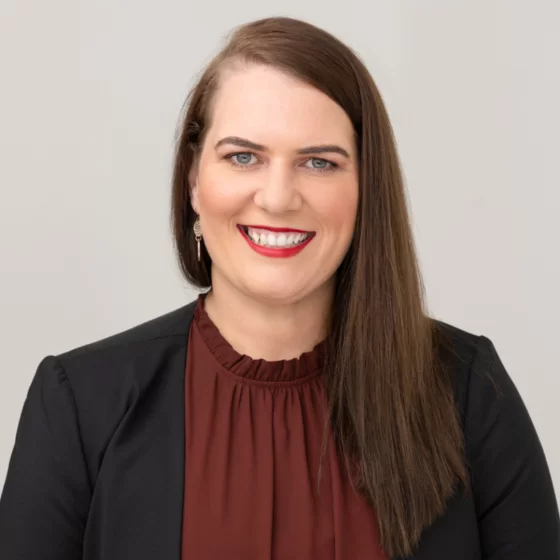
Vanessa Lovie-Yousaf
CEO Bsale Australia
Vanessa Lovie-Yousaf is the CEO and manager of Bsale.com.au, one of Australia’s most trusted business for sale marketplaces since 2000. With 15 ...


