Why Some Food Manufacturers in NSW Only Need Notification and not a Licence
Why Some Food Manufacturers in NSW Only Need Notification and not a Licence
Many people assume that every food business in New South Wales must obtain a licence before operating. In reality, the regulatory approach depends largely on the level of food safety risk and where the business sits in the supply chain. This is why many food manufacturing businesses only need to submit a Food Business Notification, while others must operate under a formal licensing system.
To understand the difference, consider two common scenarios.
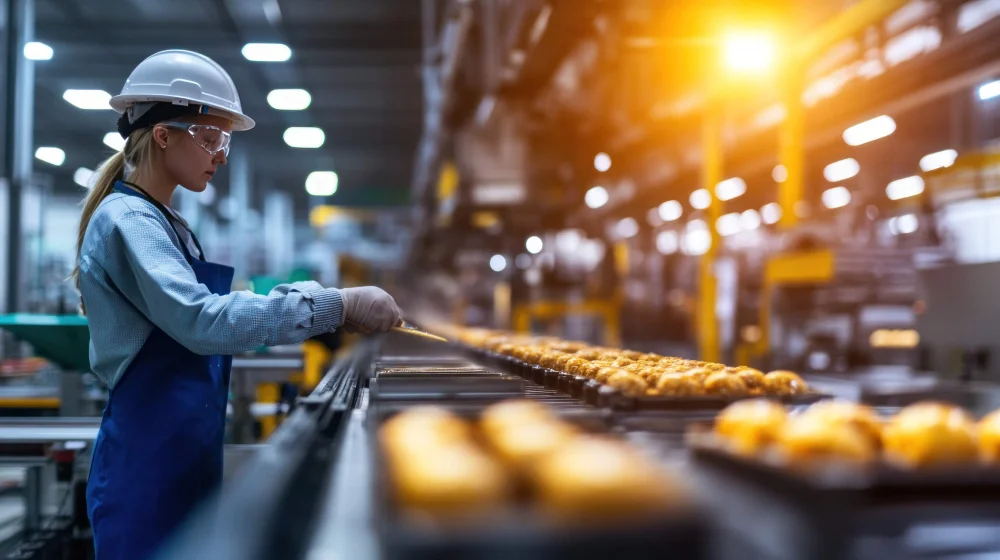
A dumpling or frozen food factory, for example, produces items such as dumplings, buns, or packaged ready-to-eat meals that are supplied to restaurants or supermarkets. These businesses fall under general food manufacturing. Because the products are processed foods rather than raw animal products at the start of the supply chain, regulators consider the risk level manageable through inspections and record-keeping. As a result, the business typically only needs to submit a Food Business Notification to the regulator the NSW Food Authority.
The operator declares what products are being produced, the production process, and how food safety is managed, including storage, temperature control, and traceability systems. Once the notification is submitted, the business can usually start operating while compliance is monitored through scheduled inspections and documentation checks.
In contrast, a meat processing plant or dairy processing facility operates at a much earlier stage of the food supply chain and handles raw animal products. These products carry a higher potential risk if contamination occurs, as problems at this level can affect large volumes of food distributed across many businesses. Because of this higher risk, these operations cannot simply notify regulators and begin operating. Instead, they must first obtain a formal licence, which involves regulatory assessment of the facility, production equipment, hygiene systems, and operational procedures. After approval, the facility is subject to ongoing audits and stricter monitoring.
This difference reflects how NSW regulates food safety based on risk exposure. Businesses producing processed foods such as dumplings, pastries, or packaged meals are generally supervised through notification and inspection systems, while businesses dealing with raw meat, dairy, seafood, or similar high-risk ingredients must operate under licensing and more intensive regulatory control.
For investors and buyers considering food manufacturing businesses, understanding this distinction is important. The regulatory requirements, compliance responsibilities, and due diligence process can vary significantly depending on whether the business operates under a notification framework or a licensing regime.
Tags: business brokers tips licensing
About the author

Barton Cha
Barton Cha moved to Sydney after his working in GE Medical China for 8 years and run his own business for another 8 years. He gained his experience in ...


