







 Search Filters
238 Businesses For Sale in Tasmania
Results 1-20 of 238
Established Takeaway CBD Ulverstone T/O $20K Weekly Est 40+Years Business and 2BRResidence
Business Brokers Network Australia
Ulverstone, TAS
Price: $230,000 wiwo Neg
- Turnover: $20K weekly
- Established: Over 40 years
Established Promotional Marketing Franchise | Own Your Territory
Johnston Business Sales
Hobart, TAS
Price: From $170,000
- Turnover: Not disclosed
- Net Profit: Not disclosed
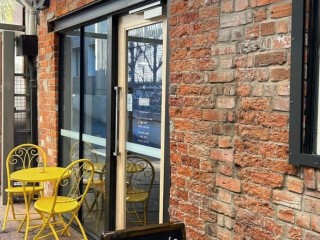
UNIQUE CBD ‘ECO-LIFESTYLE’ RETAIL OPPORTUNITY
Salamanca Realty
Hobart, TAS
Price: Offers $150,000 + SAV
- Established: Established; operating for over 12 years
Elite Supplements Franchise for Sale - Australia-Wide | Full Shop Fit-Out | National Brand Marketing | Investment...
Johnston Business Sales
Hobart, TAS
Price: 250,000 + GST
- Turnover: Not disclosed
- Net Profit: Not disclosed
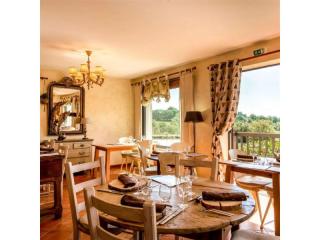
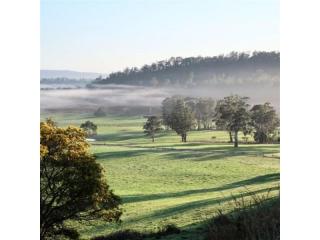
Unique Tasmanian Property - Wellness/Dining
The Finn Group
Hobart, TAS
Price: $690,000
- Net Profit: $Profitable in FY2026 under full management
Accommodation & Wellness - Tasmania
The Finn Group
Hobart, TAS
Price: $690,000
- Net Profit: $Profitable in FY2026 under full management
Tasmania Heritage business - Asian grocery for wholesale/retail/online
Private Seller
Hobart, TAS
Price:
- Established: Since the 1950s
Durks Cafe + Eatery now has a new franchise available at Eastlands shopping centre. The best central location....
Johnston Business Sales
Hobart, TAS
Price: $200K
- Turnover: Not disclosed
- Net Profit: Not disclosed
Established Take Away & Restaurant Opportunity
Private Seller
Geilston Bay, TAS
Price: $120,000
- Turnover: Not disclosed
- Net Profit: Not disclosed
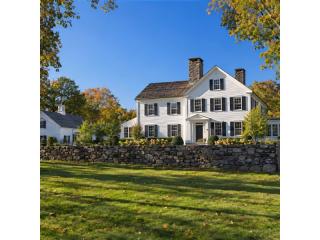
Tasmanian Tree Change: Freehold Lodge, Restaurant & Wellness
The Finn Group
Hobart, TAS
Price: $690,000
- Net Profit: Profitable in FY2026 under full management; amount not disclosed
ONE OF HOBART’S MOST POPULAR CBD CAFES
Salamanca Realty
Hobart, TAS
Price: Offers $175,000 + SAV
- Established: First time offered for sale in 11 years
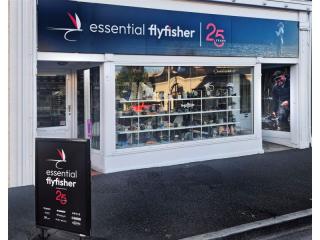
Live the Dream: Specialist Fly Fishing Store in Tasmania
Business Sales Exchange
Launceston, TAS
Price: $443,000 + SAV
- Turnover: $1M+ (FY26)
- Established: Operating since 2000; 26 years of trading history
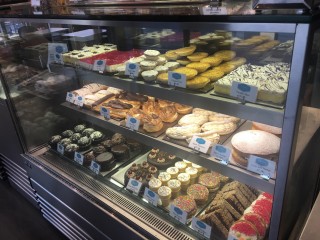
Fully Managed Mobile Dessert Business, Tasmania | $120K Passive Income on 4 Days a Week
Business Brokers Network Australia
Hobart, TAS
Price: $280,000
- Net Profit: $120,000 passive income per year after all management costs
- Established: Established brand with demonstrated following
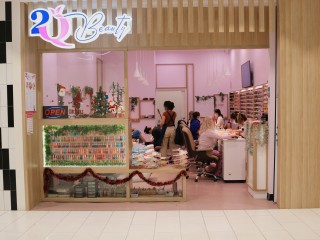
2Q BEAUTY INVESTMENT Ltd Pty
Private Seller
Hobart CBD, TAS
Price: $160,000
- Established: Established; operating for years
High-Potential Paintball Park – Ready for Expansion
Private Seller
Cambridge, TAS
Price: $150,000 + SAV
- Established: Well-established operation
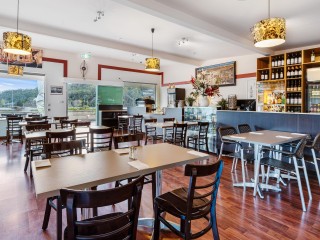
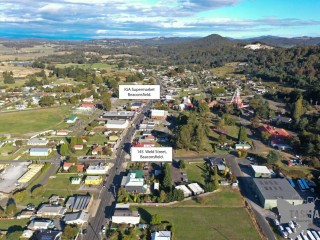
EXTRAORDINARY OPPORTUNITY RENOVATED 10 ROOM HOTEL & RESTAURANT, BAR & BOTTLESHOP
Business Brokers Network Australia
Beaconsfield, TAS
Price: $1.25 million
- Turnover: Not disclosed
- Net Profit: Not disclosed
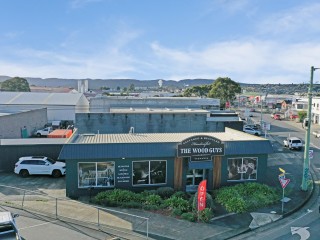
Reduced price- URGENT SALE! The Wood Guys - Tasmania's Premier Timber Retailer
Private Seller
Derwent Park, TAS
Price: $250,000 + SAV
- Established: Founded in 2005
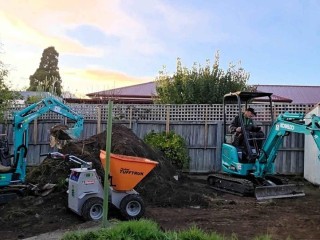
Profitable Niche Earthworks & Site Hire Business – Turnkey Operation
Private Seller
Hobart Region TAS
Price: $400,000
- Established: Operating for nearly 10 years
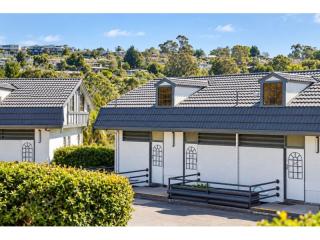
40 Room Launceston Leasehold Motel
CRE Brokers
South Launceston, TAS
Price: Leasehold $2,400,000 +...
- Established: Approximately 36 years of lease tenure remaining
Tasmania Business for Sale Market Insights
Market insights updated for the September 2026 quarter.
There are currently 238 businesses for sale in Tasmania on Bsale, including cafes, accommodation and tourism businesses, retail stores and established regional businesses. New listings are added regularly, with more than 1,000 listings updated across Bsale every week.
Tasmania is a smaller business for sale market on Bsale, but buyer interest grew strongly in the September 2026 quarter. Enquiries for Tasmanian businesses rose around 53% year-on-year and the number of individual buyers making enquiries rose around 60%, though from a smaller base than the larger states.
Hobart accounts for around six in ten Tasmanian listings, with most of the remainder in Launceston & Northern Tasmania.
What Is the Average Asking Price for a Business in Tasmania?
The average asking price for businesses for sale in Tasmania was $532,624 in the September 2026 quarter, according to Bsale's market data, making it the most affordable state or territory on Bsale.
Hobart averaged $618,335, while Launceston & Northern Tasmania was among the lowest-priced regional markets nationally.
With fewer listings than the larger states, a small number of higher-value businesses can move Tasmania's averages noticeably from quarter to quarter.
Asking prices are advertiser-supplied, are not independently verified and may include stock, plant and equipment or property.
How Is the Tasmania Business Sales Market Performing?
Businesses marked as sold in Tasmania were down around 38% year-on-year in the September 2026 quarter, with most sold listings in Launceston & Northern Tasmania.
As only a small number of businesses are marked as sold in Tasmania each quarter, these movements are best treated as indicative.
Nationally, the median time between a business being listed and marked as sold on Bsale was 202 days, so stronger buyer demand may take several months to flow through to sales.
Sold figures reflect listings marked as sold on Bsale, not independently verified transactions or final sale prices. Not all businesses are marked as sold when removed from Bsale.
What Types of Businesses Are Buyers Looking for in Tasmania?
Hospitality remains the largest category on Bsale, accounting for approximately 28% of buyer enquiries nationally. Cafes for sale in Tasmania sit alongside restaurants, accommodation and tourism businesses and retail.
Nationally, enquiries for service businesses rose 62% year-on-year and professional businesses 58%. These sectors include cleaning businesses and accounting practices.
Automated businesses such as car washes attracted almost twice the average number of enquiries, while listings advertised as under management received around 30% more.
Industry enquiry trends are based on national Bsale activity and may differ within Tasmania.
Where Are Buyers Looking for Businesses in Tasmania?
Hobart attracted the largest share of Tasmanian enquiries in the September 2026 quarter, including suburbs such as Derwent Park and Moonah.
In the north of the state, buyers enquired about businesses in Launceston, Burnie and George Town.
Buying a Business in Tasmania
Bsale has connected buyers with businesses advertised for sale across Australia since 2000, including Hobart, Launceston and regional Tasmania.
Before buying a business in Tasmania, review its financial performance, lease conditions, employee arrangements and any industry-specific licensing requirements. For tourism and hospitality businesses, look closely at how trading changes between peak and off-peak seasons.
Buyers are increasingly requesting financial statements, information memorandums and confidentiality agreements earlier in the enquiry process. Having finance organised and professional advisers available can help buyers assess an opportunity and move through due diligence.
For more information, read Bsale's buying guides and latest market reports.
- How to Buy a Business in Australia
- Tasmania Offers a Small but Premium Business Market
- Australian Business Sales Insights – September Quarter 2026
Bsale market insights are based on activity recorded on Bsale and do not represent all Australian business sales. Asking prices and sold statuses are advertiser-supplied and not independently verified. Figures are provided as a general market guide and are not financial advice.
Popular Region Searches in Tasmania
Browse Categories in Tasmania
Stay up to date with new listings
Frequently Asked Questions
How do I get alerts for new businesses for sale?
Click "Save Search" on this page or set up Buyer Alerts. Bsale will email you matching new listings daily at 6 am, so you see new opportunities before most buyers.
What should I check before buying a business?
Before you commit, check the financials (at least three years of profit and loss statements and BAS), the legal position (the commercial lease, licences and any council orders) and the operations (staff, systems and equipment).
Ask for the information memorandum early, have an accountant confirm the owner's earnings against the bank statements, and have a commercial solicitor review the contract before you sign.
> 10 step guide on how to buy a business
> Buying a business resources
How do I sell a business?
To reach buyers across Australia, advertise your business on Bsale directly, or work with a licensed business broker who lists on Bsale.
To achieve the best price, have your financials ready, document how the business runs day to day, and price it realistically.
> View advertising packages
> Find a Business Broker
> How to Sell a Business in Australia
> Read Testimonials
Why is Tasmania a great place to buy a business?
Tasmania is one of Australia’s most appealing markets for buyers seeking a balance of affordability, lifestyle and steady economic growth. With a population of over 571,000 people and strong year-round tourism, the state offers a reliable customer base across both metropolitan and regional areas. Hobart has been one of the fastest-growing capitals in recent years, while Launceston, Devonport and Burnie continue to expand through local spending, infrastructure upgrades and population movement.
The Tasmanian economy is built on stable, high-demand sectors including tourism, hospitality, food production, agriculture, retail, trades and essential services. This diversity allows buyers to choose from a broad mix of small to mid-sized businesses rather than high-value operations dominated by large corporations. Tasmania also benefits from lower operating costs compared to mainland states, making it easier for new owners to step in and grow.
Local communities tend to support long-standing and well-run businesses, and regional migration has increased demand for childcare, health services, trades and everyday retail. Combined with the state’s unique lifestyle appeal and growing investment in infrastructure, Tasmania offers strong opportunities for buyers looking for stable, affordable and community-driven businesses.
> Why invest in Tasmania - TAS Government
> Tasmania Demographics Overview – ABS
> Your Guide to Buying a Business in Australia - Bsale
What businesses in Tasmania are buyers most interested in?
Buyer demand in Tasmania is strongest across sectors that serve both locals and the state’s thriving tourism economy. Hospitality continues to lead the market with cafes, restaurants, bakeries, boutique food businesses and accommodation providers consistently attract interest thanks to Tasmania’s reputation as a premium food, wine and travel destination.
Retail businesses, particularly those specialising in local produce, gifts, homewares, outdoor gear and artisan goods, also perform well, supported by a mix of tourism traffic and loyal local shoppers. Trades and essential services like plumbing, electrical, construction, maintenance, cleaning and transport see stable year-round demand, especially in growing regions like Hobart, Launceston and the North-West.
Health, beauty and wellness businesses (salons, clinics, allied health and fitness) remain popular with buyers seeking predictable, appointment-driven revenue. Food production businesses, including small-scale manufacturers, bakeries, breweries, distilleries and farm-based ventures, are also gaining strong interest due to Tasmania’s reputation for premium ingredients and artisan products.
Overall, buyers in Tasmania are most attracted to well-established, community-focused businesses with steady cashflow, strong local reputation and growth potential through tourism, online sales or regional expansion.
Which areas of Tasmania are best for owning a small business?
Tasmania offers a range of attractive locations for small business owners, with strong activity concentrated around its major population centres and high-tourism regions. Hobart remains the state’s leading business hub, supported by a growing population, steady tourism, government activity, and high demand across hospitality, retail, trades and professional services.
Launceston is another key area, known for its expanding food, beverage and tourism industries, along with strong year-round demand for essential services. The city benefits from major infrastructure investment, a thriving events calendar and a central location that services surrounding towns.
On the North-West Coast, Devonport and Burnie offer accessible entry points for buyers, with demand driven by local manufacturing, transport, retail, and the steady flow of travellers arriving via the Spirit of Tasmania. These regions provide a strong base for small businesses that serve both locals and tourists.
Tourism-heavy areas such as the Huon Valley, the East Coast (including Coles Bay and Bicheno), and towns around Cradle Mountain are also popular with buyers looking for hospitality, accommodation, food production and lifestyle-driven ventures.
Overall, Tasmania’s best business locations combine population density, stable tourism, and strong local economies giving owners a balance of year-round demand and seasonal upside.
What Government support is available in Tasmania?
Tasmania offers a supportive environment for small business owners, with government programs aimed at helping people start, buy and grow a business across the state. The Tasmanian Government provides resources covering business planning, licensing, digital skills, workforce development and regional economic support. Buyers can also access tools to understand local regulations, grants and industry requirements before taking over a business.
Here are useful government links for business owners in Tasmania:
> Buying a Business – Business Tasmania
> Tasmanian Government Grants & Support Programs
Tasmania also participates in national migration programs for people looking to invest or operate a business in Australia. While visas are managed federally, Tasmania offers nomination options under certain skilled and business pathways, helping eligible applicants relocate and contribute to local economic growth.